






What's Happening?
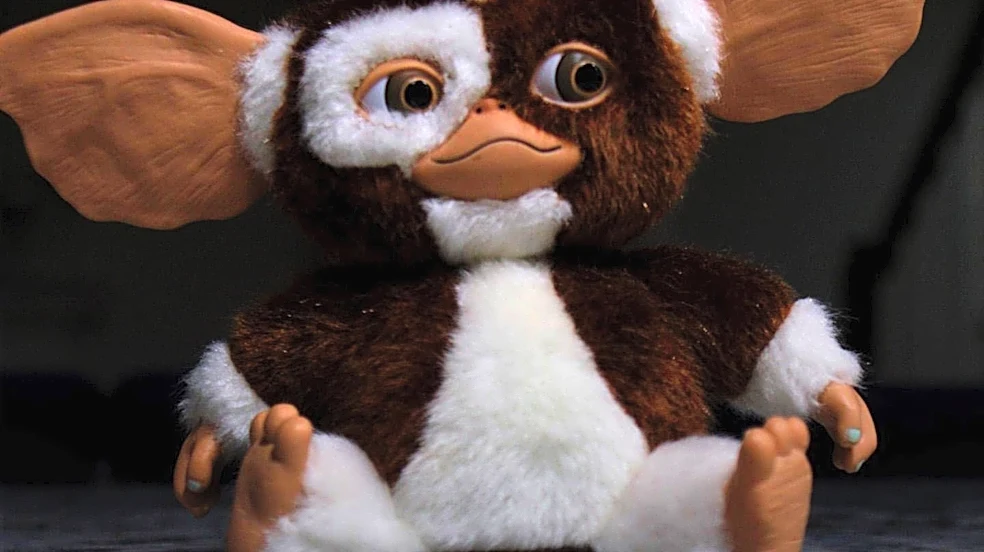
During the production of Joe Dante’s 1984 film 'Gremlins,' a test involving a live rhesus monkey wearing a Gremlin head led to the decision to use puppets for the creatures. Director Joe Dante confirmed in 2014 and again in 2024 that a monkey was brought
in by a trainer to explore the possibility of using animals in Gremlin suits. The test resulted in the monkey becoming terrified, careening around the editing room, and defecating, which quickly convinced Dante and the production team that this approach would not be feasible. Creature effects designer Chris Walas, who had been advocating for puppets, identified Dante as the proponent of the monkey idea. This incident solidified the production's choice to rely on puppets for creating the numerous creatures required for the film, especially given the tight budget and the prior rejection of stop-motion animation.
Why It's Important?
This anecdote highlights a pivotal moment in the special effects industry, demonstrating the practical challenges and ethical considerations involved in creature design for filmmaking. The decision to use puppets, spurred by the failed monkey test, underscored the growing reliance on practical effects and animatronics in 1980s cinema. This choice not only shaped the iconic look and feel of the 'Gremlins' creatures but also influenced subsequent productions in their approach to bringing fantastical beings to life on screen. The incident serves as a testament to the creative problem-solving and adaptability required in film production, where initial ideas, even seemingly viable ones, can be quickly discarded in favor of more effective and humane alternatives. The success of 'Gremlins' with its puppet-based creatures further cemented the viability and artistry of practical effects in an era before widespread digital animation.
What's Next?
While the event itself is historical, its legacy continues to influence discussions around practical effects versus CGI in filmmaking. The 'Gremlins' case remains a classic example cited in film schools and special effects workshops when discussing the evolution of creature design. Future productions will continue to weigh the benefits and drawbacks of various methods, from advanced animatronics and puppetry to sophisticated digital rendering. The story reinforces the idea that sometimes, the simplest or most traditional methods, like puppetry, can be the most effective, especially when more ambitious or unconventional approaches prove impractical or ethically problematic. This historical decision continues to inform the creative choices made by filmmakers and special effects artists today.
Beyond the Headlines
The 'Gremlins' monkey incident touches upon broader themes of animal welfare in entertainment and the evolution of special effects technology. In an era where animal actors were more commonly used, this event serves as a stark reminder of the potential stress and harm to animals when integrated into complex film productions. It implicitly contributed to a shift in industry practices, encouraging the development of alternatives that prioritize animal safety and well-being. Furthermore, the story underscores the ingenuity of special effects artists like Chris Walas, who championed practical solutions that ultimately defined the film's aesthetic. This historical moment illustrates how practical constraints and unexpected challenges can inadvertently drive innovation and lead to more creative and ethical solutions in the entertainment industry.