





What's Happening?
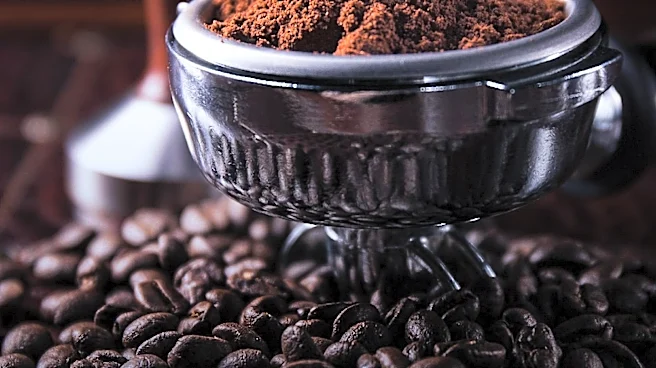
Meraki, a home espresso guide publisher, has released information detailing the characteristics and implications of a 'soupy espresso puck' for home baristas. A soupy puck refers to a wet, loose coffee bed remaining in the portafilter after an espresso shot,
as opposed to a firm, dry disk. The guide clarifies that while a messy appearance might seem problematic, it doesn't automatically indicate a poor-quality shot. Factors such as an intact puck that is slightly damp, a soft but cohesive bed, or standing water can all be observed. The guide emphasizes that the appearance of the puck is a weak scorecard on its own, and a wet puck can still result from a balanced shot, just as a dry puck can come from an uneven one. Key indicators for a soupy puck often include a dose that doesn't match the basket size, leading to excess space above the coffee where water can pool. The guide also touches on how grind consistency and channeling can affect puck appearance, but stresses that these are secondary considerations to the taste of the espresso itself.
Why It's Important?
This guidance is important for the growing community of U.S. home espresso enthusiasts and the broader coffee industry. By demystifying the 'soupy puck,' Meraki helps home baristas avoid unnecessary adjustments that could negatively impact their espresso quality. Many home users often strive for a visually 'perfect' dry puck, leading them to over-dose, tamp too hard, or grind too fine, which can introduce issues like channeling and an uneven extraction. This information encourages a focus on the actual taste and yield of the espresso shot as the primary measure of success, rather than a cosmetic leftover. For manufacturers of espresso machines and accessories, this guide highlights the importance of educating consumers on proper usage and managing expectations, potentially reducing customer service inquiries related to perceived machine faults based on puck appearance. It also underscores the nuanced science behind espresso extraction, moving beyond superficial indicators to promote a more informed approach to brewing.
What's Next?
Home baristas are encouraged to prioritize the taste of their espresso shots over the visual appearance of the spent puck. The guide suggests a systematic approach to troubleshooting: first, taste the shot; then, check if the coffee dose matches the basket size. If the dose is appropriate and the flow was uneven, baristas should address distribution and tamping. Only after these steps should grind adjustments be considered, and only one change should be made at a time. This methodical approach aims to prevent multiple simultaneous tweaks that can obscure the true cause of any issues. The guide also advises against opening machine cases for perceived problems based solely on puck wetness, recommending official support channels if flow or leaking issues arise. This shift in focus could lead to more consistent and enjoyable home espresso experiences, reducing frustration among users.
Beyond the Headlines
The Meraki guide's insights into espresso puck analysis touch upon a broader cultural phenomenon in the U.S. and beyond: the pursuit of perfection in hobbies, often driven by visual aesthetics shared on social media. The emphasis on a 'perfect' dry puck can be seen as an example of how visual standards, sometimes detached from functional quality, can influence consumer behavior and expectations. By debunking the myth that a wet puck inherently signifies a bad shot, Meraki challenges this aesthetic-driven approach, promoting a more pragmatic and sensory-focused understanding of quality. This perspective encourages a deeper appreciation for the craft of espresso making, where the ultimate judge is the palate, not the eye. It also highlights the role of education in empowering consumers to make informed decisions, rather than relying on potentially misleading visual cues or anecdotal evidence found online. This could foster a more authentic and less anxiety-driven engagement with complex hobbies like home espresso brewing.