
What's Happening?
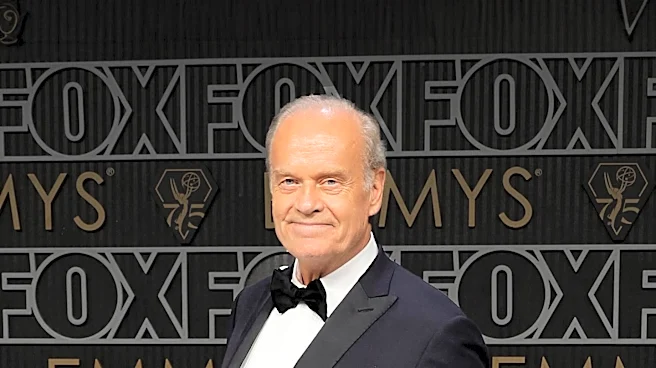
Kelsey Grammer, known for his role as Frasier Crane, is among a roster of celebrities who have lent their names to Life Surge, a financial organization currently facing allegations of predatory practices.
While Christian athlete Tim Tebow recently paused his relationship with Life Surge due to these allegations, Grammer, along with other Hollywood actors like Dennis Quaid, athletes such as David Ortiz and Russell Wilson, and political figures including former White House press secretary Kayleigh McEnany and former Housing Secretary Dr. Ben Carson, have been promoted by the organization. Life Surge markets itself as featuring 'influential voices in faith & finance alongside leading worship artists.' The controversy centers on claims from former customers who allege they were encouraged to take on significant debt for expensive financial education programs after attending events that initially offered celebrity speakers at a lower cost. The Federal Trade Commission (FTC) has received 49 complaints regarding Life Surge's practices, though these are allegations and not findings of wrongdoing.
Why It's Important?
The involvement of well-known figures like Kelsey Grammer in organizations like Life Surge highlights a significant concern regarding celebrity endorsements and the trust placed in public personalities, particularly within faith-based communities. The Securities and Exchange Commission (SEC) has long warned about 'affinity fraud,' where scammers exploit trust within close-knit groups. While there is no finding that Life Surge is operating an affinity fraud, and the company denies wrongdoing, the situation underscores how the credibility of respected individuals can inadvertently legitimize financial opportunities. This can have a profound impact on individuals who, driven by trust in these celebrities, might invest in programs without fully understanding the risks or potential financial burdens. The allegations, if proven true, could lead to substantial financial losses for participants and erode public trust in celebrity-backed initiatives, especially those targeting specific demographic or religious groups.
What's Next?
As the allegations against Life Surge continue to unfold, regulatory bodies like the FTC and SEC may intensify their scrutiny of the organization's business practices. The outcome of these investigations could lead to formal charges, penalties, or changes in how such financial education programs are marketed and operated. Celebrities associated with Life Surge, including Kelsey Grammer, may face increased public pressure to clarify their involvement or distance themselves from the organization, similar to Tim Tebow's recent decision. This situation could also prompt a broader discussion within the entertainment and sports industries about the due diligence required when endorsing or participating in financial ventures, particularly those targeting vulnerable populations or leveraging community trust. The response from Life Surge, which has strongly disputed the characterization of its business as predatory, will also be critical in shaping the narrative moving forward.
Beyond the Headlines
This situation delves into the ethical dimensions of celebrity influence and the responsibility that comes with public platforms. The use of prominent figures, especially those known for their faith, to promote financial programs raises questions about the blurred lines between spiritual guidance and financial advice. It highlights how trust, a powerful social currency, can be leveraged in ways that may not always align with the best interests of the audience. The controversy also touches upon the broader issue of financial literacy and the susceptibility of individuals to high-pressure sales tactics, particularly when presented within a context of shared values or community. This event could serve as a cautionary tale, prompting consumers to exercise greater skepticism and conduct thorough research before engaging with financial programs, regardless of celebrity endorsements. It also underscores the ongoing challenge for regulators to protect consumers from potentially misleading or predatory practices in an increasingly complex financial landscape.