





What's Happening?
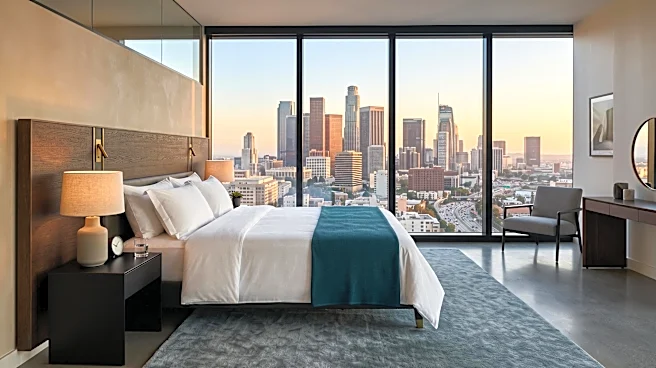
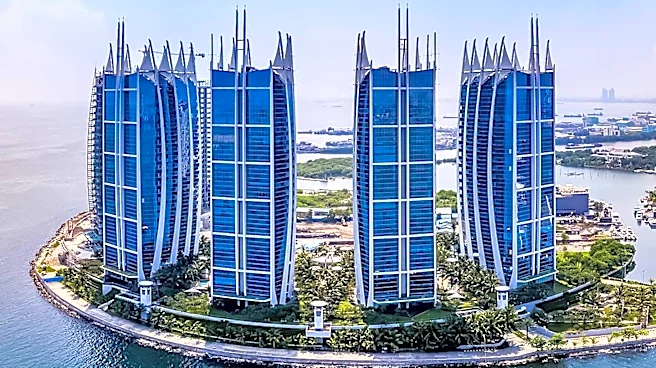
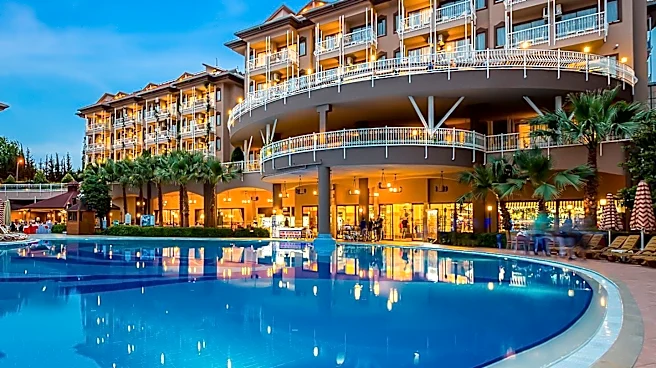
Emirati billionaire Mohamed Alabbar, founder of Emaar Properties and developer of Dubai's Burj Khalifa, is planning a significant investment in Zimbabwe's luxury hospitality sector. This development follows a productive meeting between Alabbar and Zimbabwean
President Emmerson Mnangagwa, where plans for new luxury hotels were discussed. Alabbar, known for his extensive experience in global real estate and hospitality developments, is expected to travel to Zimbabwe later this month with an executive delegation to inspect potential sites and finalize project details. The proposed investment aims to boost Zimbabwe's tourism industry, create thousands of jobs, and support local businesses, enhancing the country's appeal as an international travel destination. The scale and value of the investment are yet to be disclosed.
Why It's Important?
This planned investment by Mohamed Alabbar signifies a major vote of confidence in Zimbabwe's tourism potential and broader economic prospects. For Zimbabwe, attracting a globally recognized developer like Alabbar could be transformative, drawing much-needed foreign direct investment and elevating its profile on the international tourism map. The development of luxury hotels is expected to create substantial employment opportunities, both directly within the hospitality sector and indirectly through supporting industries. It also signals a potential shift in investment patterns towards emerging markets in Africa, as high-profile investors seek new growth opportunities. The success of this project could encourage other international developers and investors to consider similar ventures in the region, fostering economic growth and infrastructure development.
What's Next?
The immediate next step involves Mohamed Alabbar and his executive delegation traveling to Zimbabwe later this month. During this visit, they will conduct site inspections to identify suitable locations for the luxury hotel developments and finalize the project's specific details, including potential hotel brands and overall scope. Following these assessments, more concrete plans and timelines are expected to be announced. The Zimbabwean government will likely work closely with Alabbar's team to facilitate the necessary approvals and logistical support. The progress of this project will be closely watched as a barometer for future large-scale foreign investments in Zimbabwe's tourism and real estate sectors.
Beyond the Headlines
Beyond the immediate economic benefits, Alabbar's investment could have broader implications for Zimbabwe's image and its integration into the global luxury tourism market. The association with a developer renowned for iconic projects like the Burj Khalifa could significantly enhance Zimbabwe's brand perception, attracting a more affluent segment of international travelers. This could also spur improvements in related infrastructure, such as transportation and services, to support the high-end tourism market. Furthermore, such a high-profile investment could serve as a catalyst for local entrepreneurship and skill development within the hospitality sector, fostering a more competitive and sophisticated tourism ecosystem. It represents a strategic move by Zimbabwe to diversify its economy and leverage its natural and cultural assets for sustainable growth.