





What's Happening?
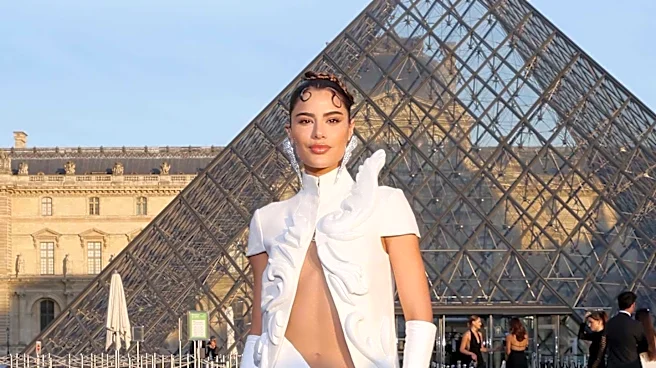
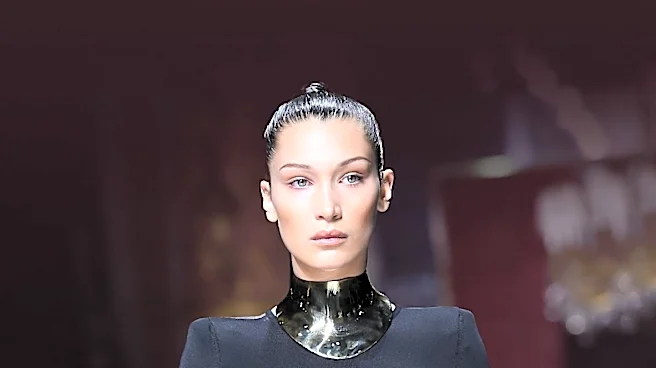
Winnie Harlow and Bella Hadid are highlighted as prominent figures in the Parisian fashion scene, recognized for their significant influence and unique contributions. Winnie Harlow is noted for her advocacy for diversity within the fashion industry, transforming
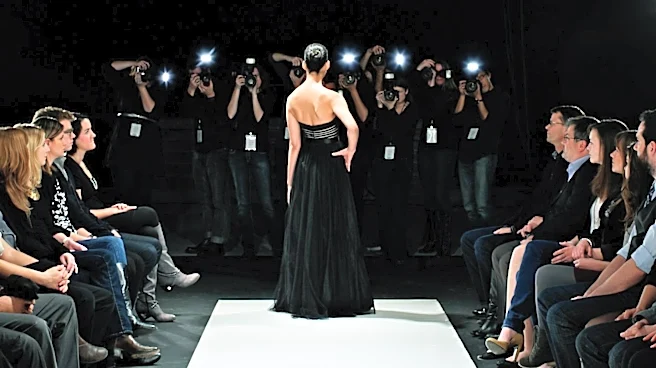
beauty norms and walking for major brands. Bella Hadid is acknowledged for her distinctive edgy style and powerful presence on the runway, frequently collaborating with top designers and being a consistent presence at Paris Fashion Week. These models, along with others like Adut Akech and Kaia Gerber, are considered integral to shaping contemporary fashion trends in Paris, which is widely regarded as the global fashion capital. Their roles extend beyond traditional modeling, as they actively engage audiences through social media and collaborative projects, bridging the gap between designers and consumers.
Why It's Important?
The prominence of models like Winnie Harlow and Bella Hadid underscores the evolving landscape of the fashion industry, where individual identity and social advocacy play crucial roles alongside traditional aesthetics. Harlow's success emphasizes the growing demand for diversity and inclusivity, influencing brand choices and consumer perceptions globally. Hadid's consistent presence and unique style set trends that impact consumer preferences and industry standards. For fashion brands, collaborating with such influential models is vital for increased visibility, enhanced storytelling, and effective trendsetting. Their ability to embody a brand's ethos can directly lead to increased sales and customer loyalty, making the selection of models a critical component of marketing strategies in the highly competitive fashion market.
What's Next?
As the fashion landscape continues to evolve, the influence of models like Harlow and Hadid is expected to grow, further shaping industry trends and brand strategies. Brands will likely continue to prioritize models who not only possess unique aesthetic qualities but also resonate with broader societal values such as diversity and authenticity. This could lead to more inclusive casting choices and marketing campaigns that reflect a wider range of beauty standards. The role of fashion influencers, including top models, will likely expand further into digital spaces, with increased engagement through social media platforms and collaborative content creation. This ongoing shift will require brands to adapt their marketing approaches to leverage these influential figures effectively to connect with global audiences.
Beyond the Headlines
The rise of models like Winnie Harlow and Bella Hadid signifies a deeper cultural shift within the fashion industry, moving beyond conventional beauty standards to embrace individuality and social impact. Harlow's journey, in particular, highlights the power of representation and challenges the industry to be more inclusive, fostering a more diverse understanding of beauty. Hadid's influence reflects a broader trend where models are not just mannequins but active participants in shaping cultural narratives and consumer desires. This evolution has ethical implications, pushing brands to consider their social responsibility and the messages they convey through their campaigns. Long-term, this could lead to a more equitable and representative fashion industry, where authenticity and diversity are valued as much as traditional glamour.