





What's Happening?
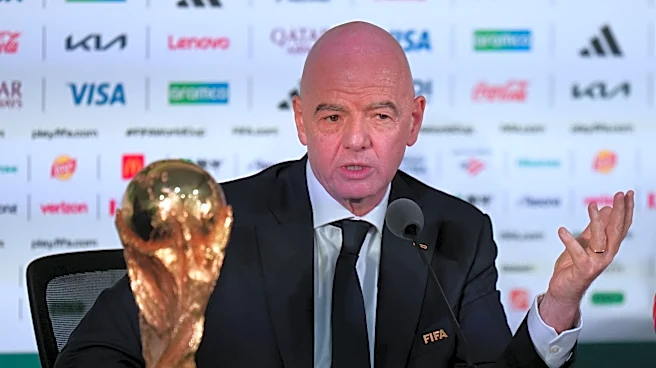
FIFA, the global governing body for soccer, is facing significant opposition over its proposal to create a new commercial entity, FIFA Forward Enterprise, which would manage its events, including the World Cup. The plan involves selling a 20% stake in this
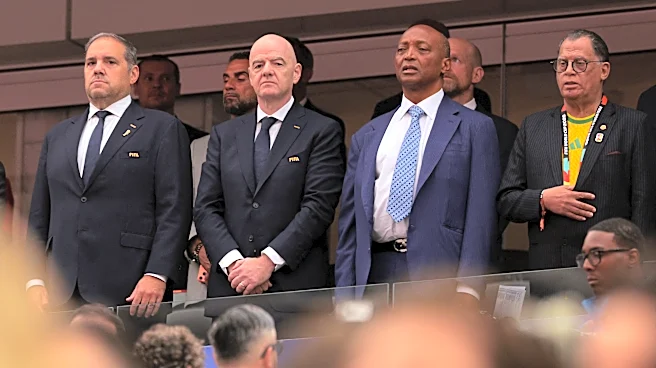
entity, valued at approximately $20 billion, to private investors. Among the potential investors is Thrive Eternal, led by Joshua Kushner. The proposal has drawn criticism from soccer governing bodies in North America and Europe, including Concacaf and UEFA. Concacaf expressed concerns about the lack of due process and transparency, while UEFA criticized the plan for treating soccer governance as a tradable asset. The plan requires ratification by FIFA's 211 national member associations, with Concacaf and UEFA representing a significant portion of these members.
Why It's Important?
The proposed sale of a stake in FIFA's new entity could have far-reaching implications for the governance and commercialization of soccer. Critics argue that it undermines the integrity of the sport by prioritizing financial interests over the traditional values and governance structures. The plan has sparked fears of increased commercialization and loss of control over the sport's most prestigious event, the World Cup. If implemented, it could set a precedent for other sports organizations, potentially altering the landscape of international sports governance. The opposition from major soccer bodies highlights the tension between financial interests and the preservation of the sport's cultural and social significance.
What's Next?
UEFA is reportedly fast-tracking efforts to convene an emergency meeting with its member associations to discuss the plan and consider a potential boycott of the World Cup. The outcome of this meeting could significantly influence the plan's future, as UEFA's stance will likely sway other associations. FIFA President Gianni Infantino has defended the proposal, emphasizing the potential for increased funding for member associations. However, the strong opposition suggests that FIFA may need to engage in further negotiations and revisions to address the concerns raised by key stakeholders.
Beyond the Headlines
The controversy surrounding FIFA's plan also raises questions about the ethical implications of commercializing sports governance. The involvement of high-profile investors, such as those connected to political figures, adds a layer of complexity to the debate. The plan's critics argue that it could lead to conflicts of interest and diminish the sport's global appeal by prioritizing profit over fair play and inclusivity. This development may prompt broader discussions about the role of private investment in sports and the need for transparent and accountable governance structures.