








What's Happening?
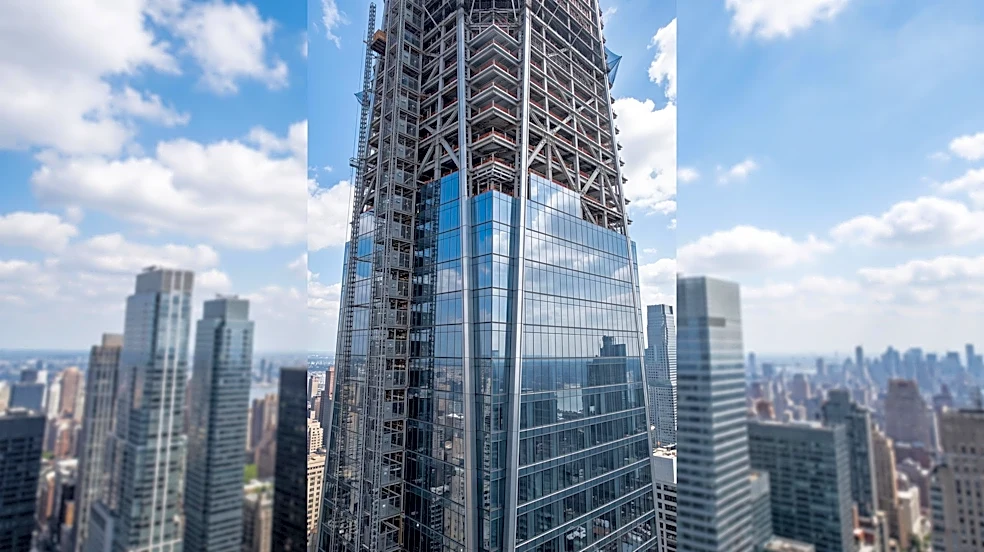
Vornado Realty Trust, Ken Griffin, and Rudin have officially closed a joint venture for the development of a 66-story office tower at 350 Park Avenue in New York City. This significant development includes the execution of a 1.05 million square foot anchor
tenant lease with Citadel Enterprise Americas LLC. Construction for the 1.9 million square foot premium office tower is already underway. The project has secured substantial financial backing with a $3.3 billion construction loan from a consortium of seven major financial institutions, including Wells Fargo Bank, JPMorgan Chase Bank, and Bank of America. The ownership structure of the joint venture is comprised of 60% by an affiliate of Ken Griffin, 36% by Vornado, and 4% by Rudin. The tower, designed by Foster + Partners, aims to set a new standard for office space in Manhattan and is part of New York City's Greater East Midtown rezoning initiative. The project also includes significant financial contributions towards the maintenance of St. Patrick’s Cathedral and Saint Bartholomew’s Church, totaling $150 million, and over $35 million for public realm improvements in East Midtown.
Why It's Important?
This joint venture and the commencement of construction for 350 Park Avenue signify a major investment in New York City's commercial real estate market, particularly in Midtown Manhattan. The securing of a substantial anchor tenant like Citadel Enterprise Americas LLC for over half of the tower's space demonstrates strong confidence in the demand for premium office properties, even amidst evolving work trends. The $3.3 billion construction loan from multiple banks further underscores the financial sector's belief in the project's viability and the long-term value of high-quality office assets in prime locations. This development is crucial for Vornado Realty Trust, as it reinforces its strategy of concentrating capital in premier Manhattan assets. For New York City, the project contributes to the modernization of its commercial building stock and supports public infrastructure improvements, aligning with the goals of the Greater East Midtown rezoning initiative. The project's scale and the commitment from a major financial firm like Citadel could attract other corporate tenants, solidifying Midtown's status as a global business hub.
What's Next?
With construction now underway, the immediate next steps involve the continued development of the 66-story tower at 350 Park Avenue. Approximately 850,000 square feet of high-rise office space, offering panoramic views, will be available to the market. The joint venture partners will focus on attracting additional corporate tenants to fill the remaining premium office space. The successful leasing of these remaining floors will be a key indicator of the broader market's appetite for new, high-end office developments. The project's financial contributions to local churches and public realm improvements will also proceed as planned, contributing to the urban development of Midtown. The progress of this project will be closely watched by other real estate developers and investors as a benchmark for large-scale commercial developments in major U.S. cities, particularly concerning the demand for new office spaces in a post-pandemic environment.
Beyond the Headlines
The 350 Park Avenue project represents more than just a new skyscraper; it reflects a strategic bet on the enduring appeal of physical office spaces in prime urban centers, particularly for financial services firms. The significant investment by Ken Griffin's affiliate and Citadel's long-term lease signal a belief that top-tier companies will continue to require state-of-the-art, centrally located offices to foster collaboration and attract talent. This development could influence future urban planning and zoning decisions in New York City and other major metropolitan areas, as it demonstrates the potential for large-scale private investment to align with public realm improvements and historical preservation efforts. The project's emphasis on luxury amenities and world-class design also highlights a growing trend in commercial real estate to offer more than just workspace, creating environments that serve as destinations. This could further widen the gap between older, less amenitized buildings and new, premium developments, potentially accelerating the obsolescence of older commercial properties.