




What's Happening?
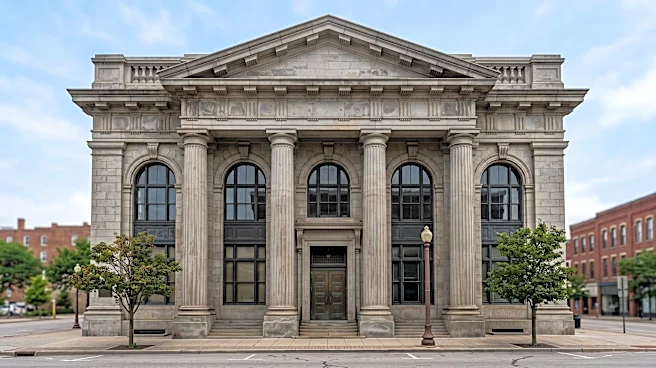
Federal regulators have seized and closed United Fidelity Bank, an Evansville, Indiana-based institution, marking the largest U.S. bank failure in over two years. The Office of the Comptroller of the Currency (OCC), an independent arm of the Treasury
Department, appointed the Federal Deposit Insurance Corporation (FDIC) as the receiver after determining the bank was unlikely to meet its obligations or depositors' demands. First Citizens Bank will acquire substantially all of United Fidelity's nearly $6 billion in assets. As of September 30, 2026, United Fidelity Bank held $5.9 billion in total assets and $5.4 billion in total deposits. This closure is the seventh U.S. bank failure this year and the largest since Republic First Bank was closed in April 2024. The failure is estimated to cost the Deposit Insurance Fund $1.83 billion. First Citizens Bank will also acquire 20 branches across four U.S. states and two in the Virgin Islands, with all deposits transferred to them.
Why It's Important?
The closure of United Fidelity Bank highlights ongoing vulnerabilities within the U.S. banking sector, despite regulatory oversight. This event, being the largest bank failure since 2024, could prompt increased scrutiny from federal regulators on other regional banks, potentially leading to stricter compliance requirements and capital standards. For depositors, the FDIC's swift action and First Citizens Bank's acquisition ensure the safety of their funds, reinforcing public confidence in the deposit insurance system. However, the estimated $1.83 billion cost to the Deposit Insurance Fund indicates a significant financial impact that could eventually be borne by other insured institutions through higher premiums. The acquisition by First Citizens Bank, which previously acquired Silicon Valley Bank, demonstrates a trend of larger, more stable institutions absorbing failed banks, potentially leading to further consolidation in the banking industry. This consolidation could reduce competition in certain markets, affecting consumers and small businesses.
What's Next?
United Fidelity Bank customers are advised by the FDIC to continue using the bank's branches until First Citizens Bank completes system changes and notifies them. Indiana Senator Jim Banks, a Republican on the Senate Banking Committee, is scheduled to receive a briefing on United Fidelity's failure, indicating potential congressional interest and oversight into the circumstances leading to the closure. Regulators will likely conduct a thorough review of the bank's operations to identify any systemic issues or regulatory gaps that contributed to its collapse. The banking industry may face increased pressure to demonstrate financial resilience and robust risk management practices. Further consolidation within the banking sector could occur as larger banks continue to acquire smaller, struggling institutions. The Deposit Insurance Fund will absorb the estimated $1.83 billion loss, and future assessments on insured banks may be adjusted to replenish the fund.
Beyond the Headlines
The repeated instances of bank failures, even with the FDIC's intervention, raise questions about the effectiveness of current regulatory frameworks in preventing financial instability. While the immediate impact on depositors is mitigated, the long-term implications for the U.S. financial system could include a shift towards a more concentrated banking landscape. This consolidation might lead to fewer choices for consumers and businesses, potentially impacting lending practices and access to credit, especially for smaller enterprises. The cost to the Deposit Insurance Fund, while managed, underscores the financial burden of such failures on the broader banking system. This event could also reignite debates about the 'too big to fail' phenomenon and the appropriate balance between financial innovation and stringent regulation to safeguard economic stability and protect taxpayers from potential bailouts.