







What's Happening?
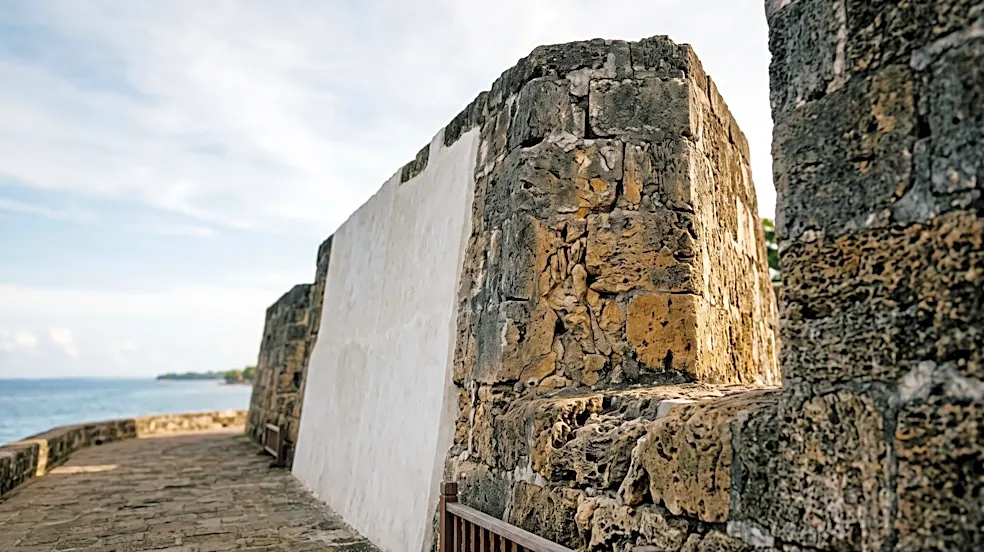
Zamboanga Peninsula is being highlighted as a significant travel destination, offering a blend of historical sites, natural beauty, and local culture. The region, particularly Zamboanga City, is noted for its Spanish colonial architecture, such as the
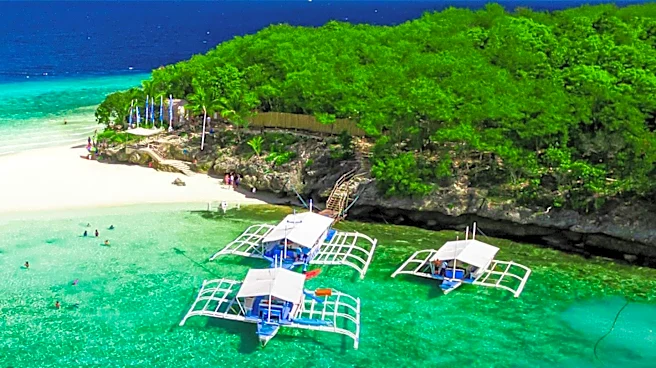
Zamboanga City Hall and Fort Pilar, which dates back to 1635. Natural attractions include Pasonanca Park, known for its open-air swimming pool and 'treetop hotel,' and the Great Santa Cruz Island Pink Sand Beach, recognized by National Geographic. The local cuisine, featuring fresh seafood, Lechon, and Halo-halo, is also a key draw. Transportation within the city primarily relies on tricycles, while Banca boats are used for inter-island travel. Accommodation options range from city hotels to beach resorts. Visitors are advised on visa requirements, transportation logistics, and local customs, including safety precautions and respect for religious beliefs. The area offers shopping opportunities for handicrafts, dried fruits, and coconut oil in local markets, alongside modern shopping malls.
Why It's Important?
The promotion of Zamboanga Peninsula as a tourist destination is important for regional economic development. By attracting both domestic and international visitors, the local tourism industry, including hotels, restaurants, transportation services, and local artisans, stands to benefit significantly. Increased tourism can create job opportunities, stimulate local businesses, and contribute to the preservation of cultural heritage sites. The recognition of attractions like the Pink Sand Beach by international publications can elevate the region's profile, drawing more attention and investment. However, the emphasis on safety precautions suggests an ongoing need to address security concerns, which could impact tourist perceptions and overall visitor numbers. Successful tourism growth could also lead to improved infrastructure and public services in the region, benefiting residents beyond the tourism sector.
What's Next?
Continued efforts are likely to focus on enhancing tourist infrastructure and promoting the unique cultural and natural assets of Zamboanga Peninsula. This may involve further development of accommodation options, improvement of transportation networks, and marketing campaigns targeting specific tourist demographics. Local authorities and tourism boards will likely work to ensure visitor safety and address any security perceptions to foster a welcoming environment. There may also be initiatives to develop sustainable tourism practices to protect the region's natural beauty, such as the Pink Sand Beach, from over-tourism. Collaboration with travel agencies and airlines could lead to more direct flight options and tour packages, making the region more accessible to a wider audience. The focus on local cuisine and handicrafts suggests potential for growth in culinary tourism and cultural experiences.
Beyond the Headlines
The development of tourism in Zamboanga Peninsula carries deeper implications for cultural identity and environmental stewardship. As tourism grows, there will be a need to balance economic benefits with the preservation of local traditions and the natural environment. The historical sites, such as Fort Pilar, offer a tangible link to the region's colonial past, and their promotion can foster a greater appreciation for Philippine history. The unique cultural blend, influenced by Spanish and Muslim heritage, presents an opportunity for cultural exchange but also requires sensitivity and respect from visitors. Environmentally, the protection of natural wonders like the Pink Sand Beach will be crucial. Sustainable tourism practices will be essential to prevent ecological damage and ensure these attractions remain viable for future generations. The economic uplift from tourism could also empower local communities, potentially leading to improved living standards and greater investment in education and public services.