







What's Happening?
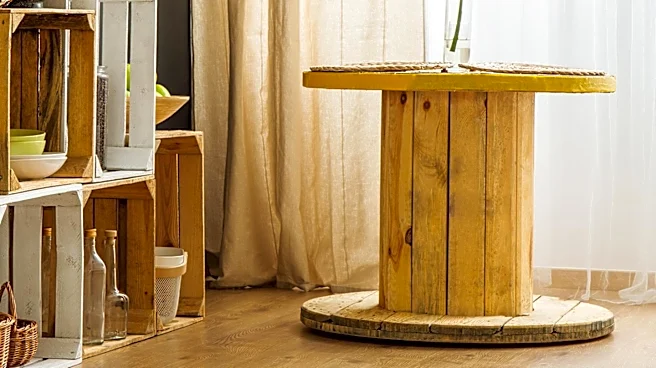
The trend of upcycling furniture is growing, with consumers transforming discarded items into new, functional, and personalized pieces. This movement is particularly evident in the customization of mass-produced furniture, such as IKEA's MALM series.
Enthusiasts are employing various techniques, including applying real wood veneer finishes, decorative panels, and unique hardware like knobs. Other methods involve using contact paper, stenciling, or painting to refresh and personalize furniture. Beyond individual projects, businesses are emerging that specialize in upcycled goods, such as those creating decor from musical instruments. This trend reflects a broader interest in eco-friendly practices and unique home aesthetics, moving away from disposable furniture culture. The focus is on giving existing pieces a new life rather than purchasing new ones, aligning with both creative expression and environmental consciousness.
Why It's Important?
This surge in furniture upcycling signifies a notable shift in consumer behavior towards sustainability and individuality in home decor. For the U.S. market, it impacts various industries, from furniture manufacturing to craft supplies and small businesses specializing in upcycled goods. Traditional furniture retailers might see a change in demand as consumers opt to refurbish existing items rather than buy new. Conversely, businesses providing materials for upcycling, such as decorative panels, paints, and hardware, could experience increased sales. The trend also fosters a circular economy, reducing waste and promoting resourcefulness, which has positive environmental implications. Socially, it empowers individuals to express their creativity and create unique living spaces that reflect their personal style, moving away from homogeneous, mass-produced interiors. This movement also supports local artisans and small businesses that offer custom upcycling services or unique, handcrafted items.
What's Next?
The upcycling trend is expected to continue evolving, with more resources and businesses catering to this demand. We may see an increase in workshops and online tutorials offering guidance on furniture transformation techniques, making it more accessible to a wider audience. Manufacturers of home improvement products might introduce new lines specifically designed for furniture customization, such as peel-and-stick veneers or specialized paints. Additionally, the market for vintage and secondhand furniture is likely to grow, as these pieces serve as ideal canvases for upcycling projects. The emphasis on sustainability could also lead to more collaborations between designers and eco-conscious brands, further integrating upcycling into mainstream interior design. This could also spur innovation in materials, with a focus on sustainable and easy-to-apply finishes for DIY enthusiasts.
Beyond the Headlines
Beyond its aesthetic and economic impacts, the upcycling movement carries deeper cultural and ethical implications. It challenges the prevailing consumerist culture of disposability, encouraging a more mindful approach to consumption and resource utilization. Ethically, it promotes environmental stewardship by reducing landfill waste and the demand for new raw materials. Culturally, it revives traditional craftsmanship and DIY skills, fostering a sense of accomplishment and connection to one's living space. It also democratizes design, allowing individuals to achieve high-end looks on a budget and express their unique personalities without relying solely on commercially available products. This shift could lead to a greater appreciation for the history and potential of existing objects, fostering a more sustainable and creatively rich approach to home furnishing.