




What's Happening?
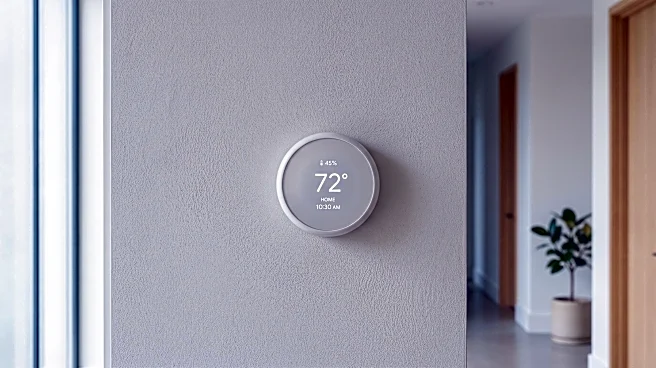
The Mysa Gen3 thermostat for electric baseboard heaters now connects to various smart home platforms, including Apple Home, Google Home, and Alexa, using the Matter open smart home standard. Unlike previous versions, Gen3 exclusively uses Matter for integration,
foregoing native Apple HomeKit or cloud integrations. To set up the Gen3, users must first complete the setup in the Mysa app, ensure the device is online, and confirm that the thermostat, phone, and smart home hub are on the same Wi-Fi network. The Mysa app provides a pairing code or QR code necessary for adding the Gen3 to a smart home platform. For Apple Home users, an Apple home hub like an Apple TV or HomePod is required for remote control. Google Home and Alexa users also need a Matter-compatible hub, such as a Nest Hub or Echo device, respectively. The Matter integration allows users to monitor current temperature, adjust heating setpoints, and switch between 'Heat' or 'Off' modes, along with voice control and platform automations.
Why It's Important?
The adoption of the Matter standard by Mysa for its Gen3 thermostat signifies a move towards greater interoperability and simplification within the smart home ecosystem. This shift benefits U.S. consumers by reducing fragmentation, allowing them to integrate various smart devices from different manufacturers into a single platform. For the smart home industry, Matter's open standard could accelerate market growth by making smart home technology more accessible and user-friendly, potentially increasing adoption rates. Manufacturers like Mysa can focus on core product functionality rather than developing multiple proprietary integrations. This standardization also fosters competition and innovation, as companies can build on a common framework. Consumers stand to gain from a more seamless and reliable smart home experience, while companies that embrace Matter early may gain a competitive edge in the evolving market.
What's Next?
Users who wish to connect their Mysa Gen3 thermostat to multiple smart home platforms will need to obtain a sharing code from the first platform it was connected to. Troubleshooting steps for connectivity issues include verifying the Gen3 setup in the Mysa app, ensuring all devices are on the same Wi-Fi network, and re-adding the device using the pairing code. A factory reset of the Gen3 thermostat will remove all Matter connections, requiring users to re-add the device to each platform and reconfigure any automations. This indicates that future updates or new Matter-compatible devices will likely continue to emphasize a streamlined, multi-platform integration process, but users should be aware of the implications of resetting their devices. The continued evolution of the Matter standard is expected to further enhance device compatibility and user experience across the smart home landscape.
Beyond the Headlines
The transition to the Matter standard for devices like the Mysa Gen3 thermostat represents a significant step towards a truly unified smart home environment. This move addresses a long-standing challenge in the smart home industry: the lack of universal compatibility, which often led to consumer frustration and limited adoption. By embracing an open, industry-wide standard, Mysa and other manufacturers are contributing to a future where devices from different brands can communicate effortlessly. This not only simplifies the user experience but also has broader implications for data privacy and security, as a standardized protocol can facilitate more robust and consistent security measures. The ethical dimension lies in ensuring that this increased interoperability does not inadvertently create new vulnerabilities or centralize control in a way that could be exploited. Ultimately, Matter's success will depend on widespread adoption and continuous development to meet evolving technological and user needs.