




What's Happening?
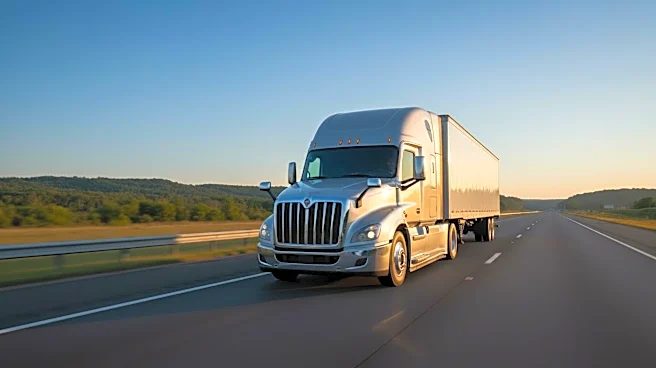
Schneider National, a prominent truckload, intermodal, and logistics company, has announced a new pay increase for its Over-the-Road (OTR) Van Truckload truck drivers. The company is offering an average weekly pay of $1,040-$1,275, along with a new Productivity
Incentive that allows drivers to earn up to an additional $0.04 per mile based on weekly miles. Furthermore, new drivers are guaranteed at least $1,000 in weekly pay during their first 90 days. The role involves driving within the Eastern 37 states, with 95% no-touch, mostly drop-and-hook freight. Drivers will also receive mileage pay plus hourly pay for on-duty, non-driving time. The company emphasizes predictable power lanes with high freight volume, ensuring consistent miles and reduced downtime. Schneider National also offers paid orientation, paid time off after six months, six days of holiday pay per year, and an annual bonus of up to 2% of annual gross pay.
Why It's Important?
This pay increase and incentive program by Schneider National is significant for the U.S. trucking industry, which faces ongoing challenges with driver recruitment and retention. By offering competitive compensation and benefits, Schneider National aims to attract and retain qualified CDL-A drivers, addressing the persistent shortage of truck drivers that impacts supply chains nationwide. The emphasis on predictable routes and consistent freight can improve driver satisfaction and work-life balance, potentially reducing turnover rates. For the broader economy, a stable and well-compensated trucking workforce is crucial for the efficient movement of goods, impacting everything from consumer prices to manufacturing schedules. This move could also pressure other logistics companies to re-evaluate their compensation structures, leading to an overall improvement in driver wages and working conditions across the industry. The company's focus on diversity and inclusion also highlights a broader trend in corporate responsibility within the transportation sector.
What's Next?
Schneider National will likely continue its recruitment efforts, leveraging these new pay incentives to attract both experienced and new CDL holders. The company also offers company-paid CDL training programs and provides coaches for inexperienced drivers transitioning into full-time roles, indicating a sustained investment in workforce development. Other benefits, such as medical, dental, and vision insurance, 401(k) savings plans with company match, unlimited referral bonuses, and tuition reimbursement, will further support driver retention. The success of these initiatives could set a precedent for other trucking companies, potentially leading to a more competitive landscape for driver compensation and benefits across the U.S. The company's commitment to diversity and inclusion suggests ongoing efforts to create a supportive work environment, which may attract a broader range of applicants. Schneider National will also continue to monitor equipment and accident-related costs, which are noted as potential risks to its financial performance.
Beyond the Headlines
Beyond the immediate financial implications for drivers, Schneider National's enhanced compensation package reflects a deeper recognition of the critical role truck drivers play in the national economy. The trucking industry is the backbone of the U.S. supply chain, and the challenges it faces, such as driver shortages and high turnover, have far-reaching consequences. By investing in its drivers, Schneider National is not only addressing its operational needs but also contributing to the stability and resilience of the entire logistics network. This move could foster a more professionalized image for the trucking profession, attracting new talent and potentially mitigating future supply chain disruptions. The focus on driver well-being, including predictable routes and comprehensive benefits, also highlights a shift towards more sustainable labor practices within a demanding industry, potentially influencing policy discussions around driver hours, safety, and overall working conditions.