







What's Happening?
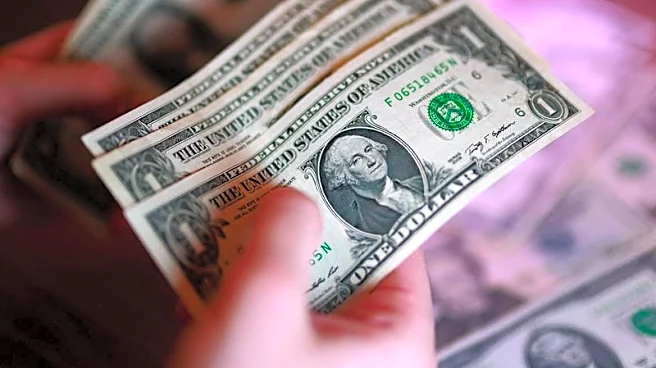
The U.S. dollar is on track to achieve its largest monthly gain in nearly a year, driven by increased investor confidence and the potential for interest rate hikes. The dollar index, which measures the currency against six others, remains steady near a 13-month
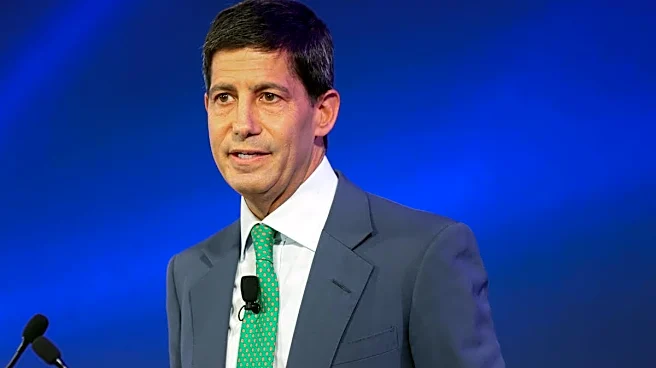
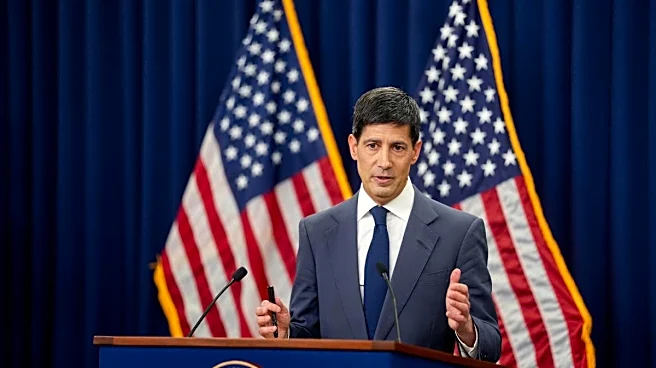
high. This surge is attributed to rising inflationary pressures and a hawkish stance from Federal Reserve Chair Kevin Warsh, which have altered market expectations for rate cuts. Additionally, the U.S. equity market's boom, fueled by artificial intelligence advancements, has attracted significant capital. Investors are holding their largest bullish position in the dollar since 2019, valued at approximately $36.4 billion.
Why It's Important?
The dollar's strength reflects broader economic optimism and has significant implications for global trade and investment. A stronger dollar can impact U.S. exports by making them more expensive for foreign buyers, potentially affecting trade balances. Conversely, it can benefit U.S. consumers by making imported goods cheaper. The anticipation of interest rate hikes suggests confidence in the U.S. economy's resilience, which could influence global financial markets and investment flows. The dollar's performance also affects other currencies, with the euro and Scandinavian currencies experiencing declines, highlighting the dollar's dominant role in international finance.
What's Next?
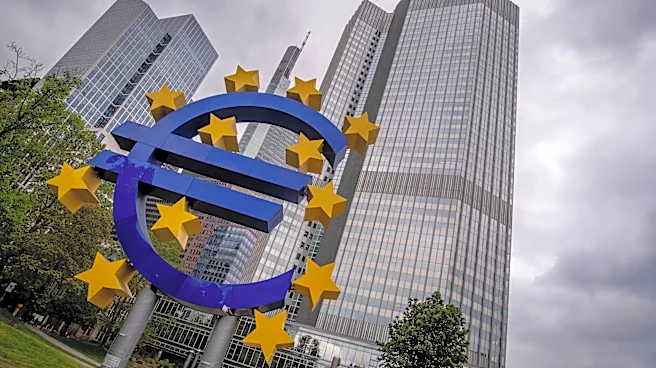
Investors are closely monitoring upcoming U.S. employment data, which could provide further insights into the Federal Reserve's monetary policy direction. The data will help gauge the likelihood of future rate hikes, influencing market strategies. Additionally, geopolitical developments, such as U.S.-Iran tensions, could impact oil prices and, consequently, the dollar's trajectory. The European Central Bank's annual forum, featuring key policy discussions, will also be scrutinized for insights into global economic trends and potential policy shifts.