




What's Happening?
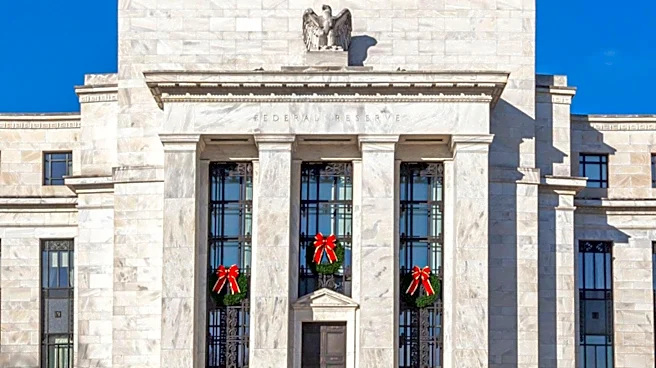
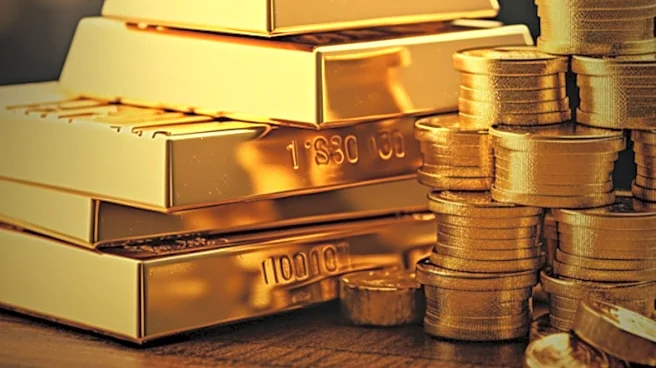
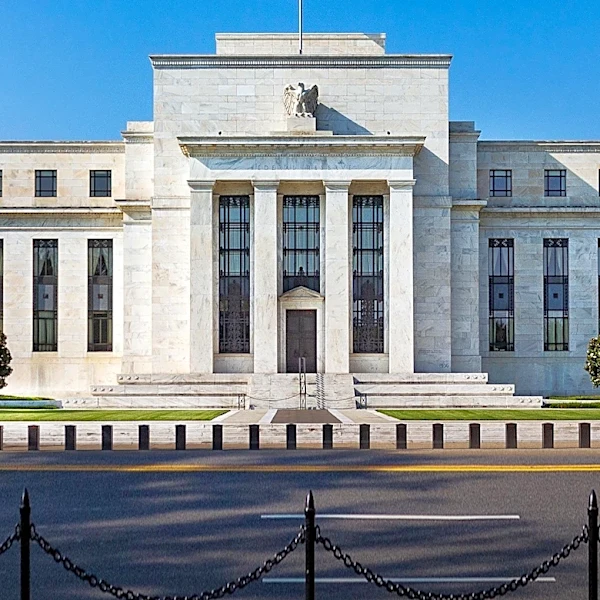
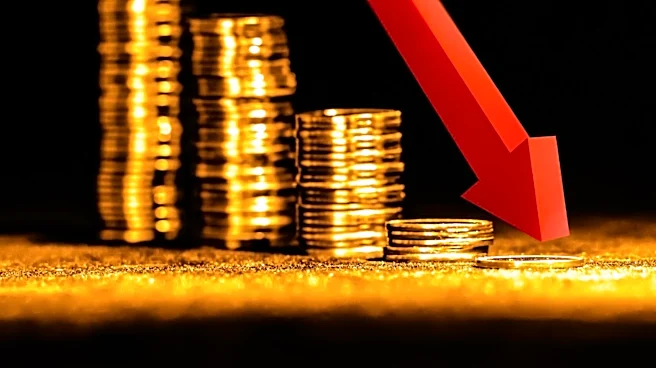
Gold prices, which reached a record high of nearly $5,600 an ounce in January 2026, have since experienced a significant correction, falling by over 30% to below $4,000. This decline has been attributed to fears of further interest rate hikes by the Federal
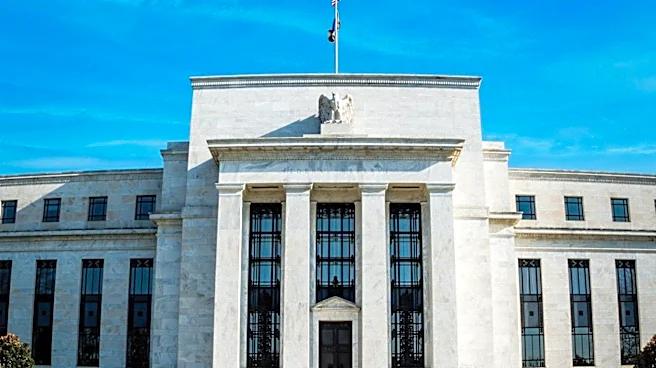
Reserve and a strengthening U.S. Dollar. Goldman Sachs analysts, led by Lina Thomas, issued a note on November 16, 2026, indicating that they anticipate continued weakness and heightened volatility in gold prices in the near term. The Federal Reserve's ongoing monetary policy tightening is expected to negatively impact gold, as the precious metal does not yield interest. Gold is currently on track for its worst annual loss in over a decade, having dropped nearly 11% so far this year, with the AI boom, rising bond yields, and expectations of higher interest rates dampening demand for bullion.
Why It's Important?
The forecast from Goldman Sachs highlights the significant influence of U.S. monetary policy on global commodity markets, particularly gold. A prolonged period of Federal Reserve tightening and a strong U.S. Dollar typically reduce the attractiveness of non-yielding assets like gold, as investors seek higher returns from interest-bearing investments. This trend impacts U.S. investors holding gold as a hedge against inflation or market volatility, potentially leading to further portfolio adjustments. The anticipated two-year recovery period suggests that investors should prepare for sustained pressure on gold prices, affecting investment strategies and the perceived safety of gold as an asset. The interplay between central bank buying and private investor demand will be crucial in determining gold's trajectory.
What's Next?
Goldman Sachs projects that gold prices could rebound to $4,650 an ounce by the end of 2027, primarily driven by structural central bank buying. The firm anticipates a stronger gold rally to $5,600 an ounce by the end of 2028, contingent on the Federal Reserve beginning to cut interest rates, which is expected to stimulate Western ETF demand. Additionally, prices could see further increases if macro-policy hedge demand returns. The U.S. Federal Reserve is widely expected to raise interest rates again in December, and there are concerns about a potentially prolonged rate hike cycle due to stronger-than-expected inflation data. This continued tightening will likely contribute to the near-term weakness and volatility in gold prices.
Beyond the Headlines
The current gold market dynamics underscore a broader shift in investor sentiment and economic priorities. The 'AI boom' and rising bond yields are drawing capital away from traditional safe-haven assets like gold, indicating a growing appetite for growth-oriented investments and higher-yielding fixed-income instruments. This situation challenges the long-held perception of gold as a consistently reliable store of value, especially during periods of aggressive monetary policy. The extended recovery period predicted by Goldman Sachs suggests that the economic landscape is undergoing a fundamental re-evaluation, where technological advancements and interest rate policies are exerting more immediate influence on asset valuations than historical safe-haven tendencies. This could lead to a re-assessment of gold's role in diversified portfolios.