




What's Happening?
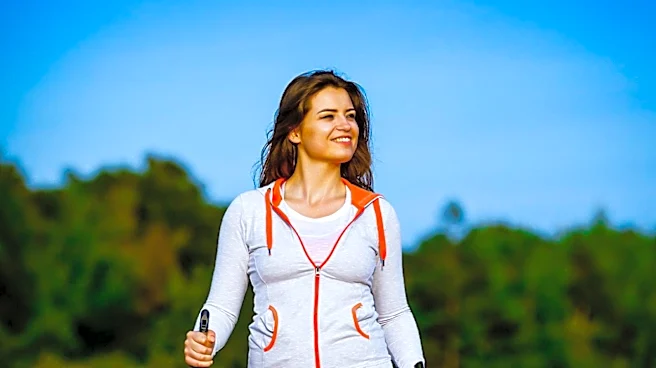
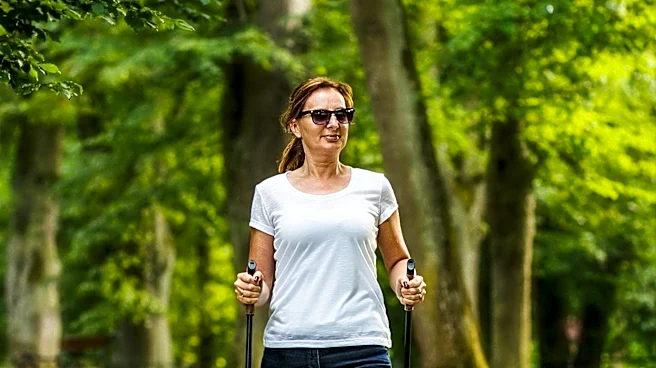
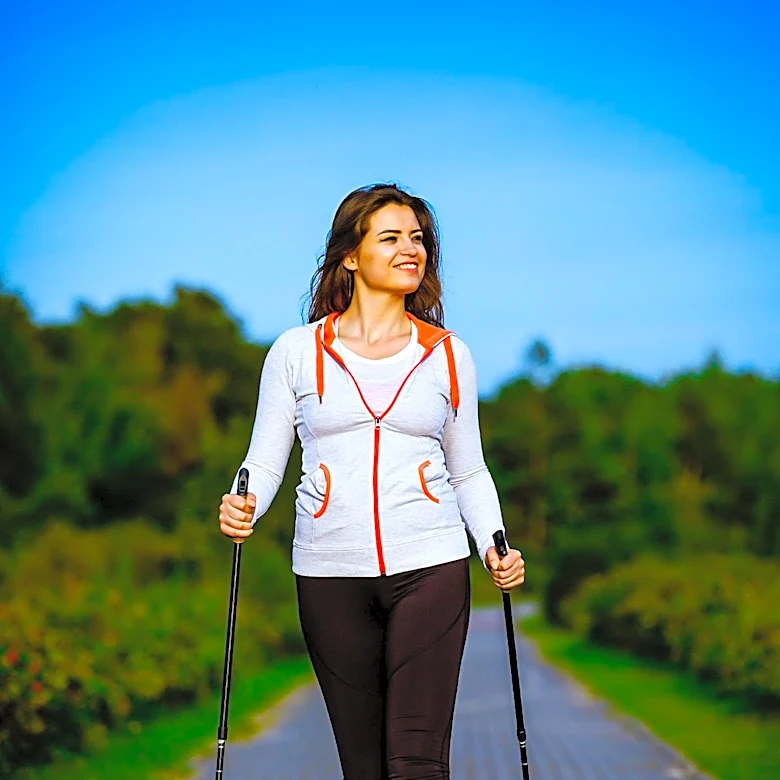
Nordic walking, a form of exercise originating from the Nordic countries, is gaining traction as a popular workout option in the U.S. This exercise involves the use of specially designed poles to engage the upper body, legs, and core while walking. Initially
developed as an off-season training method for cross-country skiers, Nordic walking has become accessible to a wide range of fitness enthusiasts due to its low-impact nature. According to Nicoline Roth, CEO and founder of NRTHRN Strong, this form of exercise is suitable for people of almost any age and fitness level. It offers numerous health benefits, including reducing pressure on knees and lower-body joints, improving balance and stability, and enhancing endurance. Heather Viola, DO, an assistant professor at Mount Sinai, highlights that Nordic walking can be particularly beneficial for recreational walkers, hikers, older adults, and those recovering from injuries.
Why It's Important?
The growing interest in Nordic walking reflects a broader trend towards incorporating more holistic and accessible forms of exercise into daily routines. This trend is significant as it promotes physical activity among diverse groups, including older adults and individuals with joint discomfort, who may find traditional workouts challenging. By encouraging outdoor activity, Nordic walking also aligns with public health goals of increasing physical activity levels and reducing sedentary behavior. The exercise's ability to engage multiple muscle groups makes it an effective full-body workout, potentially reducing healthcare costs associated with inactivity-related conditions. Additionally, the popularity of Nordic walking underscores a cultural shift towards integrating movement into everyday life, rather than confining it to gym settings.
What's Next?
As Nordic walking continues to gain popularity, it is likely that more fitness programs and community groups will incorporate it into their offerings. This could lead to increased availability of Nordic walking classes and workshops, providing opportunities for individuals to learn proper techniques and maximize the benefits of the exercise. Healthcare professionals may also begin recommending Nordic walking as part of rehabilitation programs for patients recovering from injuries or surgeries. Furthermore, as awareness of its benefits spreads, there may be a rise in the production and sale of Nordic walking poles, contributing to economic growth in the fitness equipment industry.
Beyond the Headlines
The rise of Nordic walking highlights the importance of accessible and inclusive fitness options in promoting public health. It challenges the notion that effective exercise must be high-intensity or gym-based, offering a sustainable alternative that can be integrated into daily life. This development also raises questions about how fitness trends can be adapted to meet the needs of diverse populations, including those with physical limitations. As more people adopt Nordic walking, there may be increased interest in researching its long-term health impacts and potential applications in preventive healthcare.