



What's Happening?
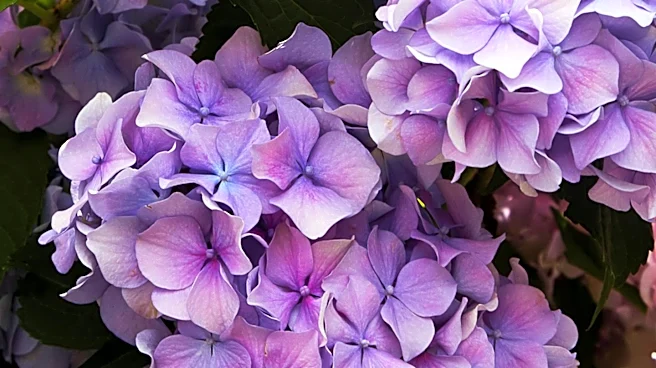
Gardeners are advised to be cautious when pruning hydrangeas, particularly those that bloom on old wood, such as bigleaf and oakleaf varieties. These hydrangeas begin forming buds for the next year's flowers during the summer, making timing crucial. Pruning
too late can result in fewer blooms the following year. Experts recommend pruning shortly after flowering to maintain plant health and ensure a robust display next season. For those unsure of their hydrangea type, a conservative approach is advised to avoid removing buds. Panicle and smooth hydrangeas, which bloom on new wood, follow a different pruning schedule, typically in late winter or early spring.
Why It's Important?
Proper pruning techniques are essential for maintaining the health and aesthetic appeal of hydrangeas, a popular garden plant. Understanding the differences between old-wood and new-wood blooming varieties can prevent gardeners from inadvertently reducing their plants' flowering potential. This knowledge is crucial for both amateur and professional gardeners, impacting garden planning and maintenance practices. As hydrangeas are a common feature in U.S. gardens, widespread awareness of these guidelines can enhance the overall quality and enjoyment of garden spaces, influencing horticultural practices and consumer choices in plant care products.