






What's Happening?
The U.S. Bureau of Labor Statistics (BLS) has projected a significant decline in cashier positions over the next decade. According to the BLS 2024-2034 Employment Projections, approximately 313,600 cashier jobs are expected to disappear by 2034, marking
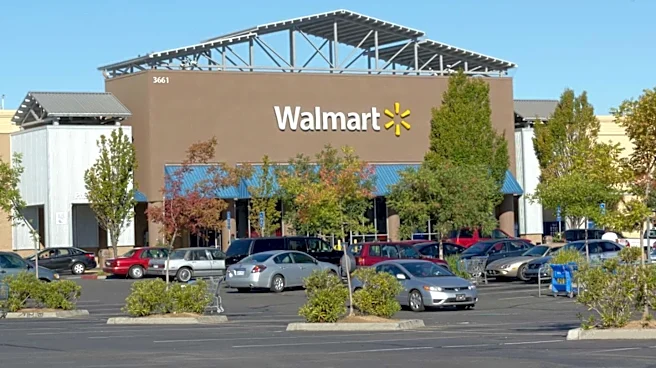
a 10% decline. This reduction is attributed to the increasing adoption of self-checkout systems, app-based payments, and fully cashierless store technologies. Major retailers like Amazon and Walmart have already implemented or piloted checkout-free store formats, and the technology is becoming more affordable to deploy. The shift towards automation in retail is part of a broader trend where jobs involving routine, repetitive tasks are being replaced by technology.
Why It's Important?
The decline in cashier jobs highlights a significant shift in the retail industry towards automation and technology-driven solutions. This trend is likely to have a profound impact on the U.S. labor market, particularly for low-skilled workers who traditionally fill these roles. As cashier positions diminish, there may be increased pressure on workers to acquire new skills that complement technological advancements. The move towards cashierless stores also reflects changing consumer preferences for faster and more convenient shopping experiences. Retailers that adapt to these changes may gain a competitive edge, while those that do not may struggle to keep up with evolving market demands.
What's Next?
As the retail industry continues to embrace automation, there will likely be further developments in cashierless technology and other innovations aimed at enhancing the shopping experience. Retailers may invest more in training programs to help employees transition to new roles that require human interaction and problem-solving skills. Additionally, policymakers and industry leaders may need to address the broader economic implications of job displacement due to automation, potentially exploring measures to support affected workers. The ongoing evolution of retail technology will continue to shape the future of work and consumer behavior in the U.S.