


What's Happening?
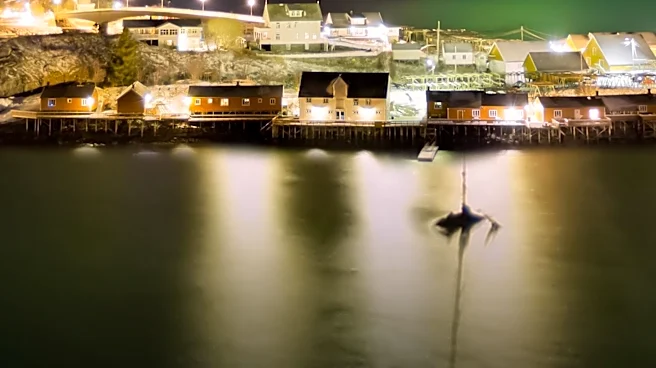
Tromsø, located within the Arctic Circle, is recognized as a leading global destination for observing the Northern Lights. Its geographical position within the auroral oval and the moderating influence of the Gulf Stream contribute to its suitability
for aurora viewing, making winter conditions more manageable compared to other Arctic regions. The aurora season in Tromsø typically spans from early September to early April. While early season (September and October) offers milder temperatures and potential reflections of the lights in open water, the peak viewing period is from November to February, characterized by the darkest nights for maximum visibility. March is often considered an optimal time, balancing longer daylight hours for other activities with sufficiently dark nights for strong aurora activity. However, the unpredictable weather in Northern Norway necessitates careful planning, with successful viewing often depending on expert guides, mobile transport, and efforts to escape city light pollution.
Why It's Important?
The growing popularity of Tromsø as a Northern Lights destination highlights a significant trend in niche tourism, attracting travelers seeking unique natural phenomena. This trend impacts the local economy through increased demand for specialized tour operators, accommodation, and related services. The emphasis on mobile tours and experienced guides underscores the importance of local expertise and infrastructure in delivering high-quality tourist experiences. For travelers, the unpredictability of the Northern Lights necessitates flexible booking strategies, such as booking tours for early nights to allow for rescheduling, which has led to the development of 'second chance' policies by many tour companies. This approach manages customer expectations and ensures a better overall experience, fostering repeat business and positive word-of-mouth for the region's tourism sector. The focus on small group sizes and professional photography assistance also indicates a shift towards more personalized and value-added tourism offerings.
What's Next?
Travelers planning to visit Tromsø for the Northern Lights are advised to book tours for their first or second night to allow for rescheduling in case of unfavorable weather or low aurora activity. Many reputable tour operators offer 'second chance' policies, providing significant discounts for subsequent tours if the lights are not seen on the initial outing. Future developments in aurora tourism will likely continue to focus on enhancing the visitor experience through advanced mobile weather data integration, ensuring guides can effectively chase clear skies, potentially even across borders into Finland. The market may also see further diversification in tour types, including more specialized boat-based tours, snowmobile safaris, or dog-sledding expeditions that combine Arctic activities with aurora viewing, catering to a broader range of traveler preferences. Continued innovation in photography assistance and provision of essential gear like thermal suits will also be crucial for maintaining Tromsø's appeal as a premier aurora destination.
Beyond the Headlines
The pursuit of the Northern Lights in Tromsø extends beyond mere tourism, touching upon the broader human fascination with natural wonders and the challenges of experiencing them in remote, unpredictable environments. The reliance on local guides and their expertise in navigating harsh Arctic conditions and interpreting real-time weather data highlights the critical role of human knowledge and adaptability in interacting with nature. This experience also underscores the ethical considerations in tourism, particularly in managing visitor expectations for a natural phenomenon that cannot be guaranteed. The 'second chance' policies reflect an industry-wide effort to balance commercial interests with the inherent unpredictability of nature, fostering a more responsible and customer-centric approach. Furthermore, the emphasis on small group sizes and personalized experiences suggests a growing demand for authentic and immersive travel, moving away from mass tourism towards more intimate encounters with the natural world, which can have long-term implications for sustainable tourism practices in sensitive Arctic regions.