


What's Happening?
An opinion piece published by The Indiana Daily asserts that fall is unequivocally the best season, surpassing summer. The author highlights several reasons for this claim, including the visual transformation of leaves into vibrant orange, red, and yellow
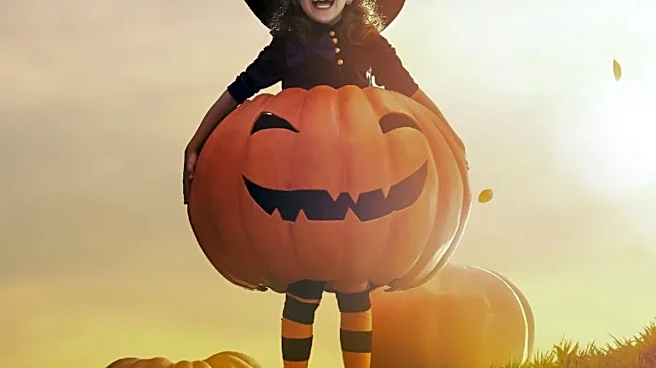
hues. The article also points to the comfortable weather, which is cool enough for cozy attire but not excessively cold, making outdoor activities pleasant. Furthermore, the piece notes the seasonal offerings from coffee shops, the festive atmosphere surrounding Halloween, and the general feeling of perfection that fall evokes. The author suggests that fall excels at making ordinary experiences feel special, citing the widespread appeal of pumpkin spice products as an example of how brands leverage nostalgia and limited-time availability to enhance the season's allure. The article also touches on the psychological benefits of fall, such as providing a natural reset and a structured routine for college students, which can help alleviate anxiety and depression.
Why It's Important?
This opinion piece reflects a broader cultural sentiment in the U.S. where fall is often romanticized and celebrated. The emphasis on seasonal products, particularly pumpkin spice, underscores the significant impact of marketing strategies on consumer behavior and the economy. Brands capitalize on the emotional connection people have with fall, driving sales through limited-time offerings and nostalgic appeals. This phenomenon demonstrates how seasonal trends can influence various industries, from food and beverage to fashion and entertainment. The article also subtly highlights the psychological aspect of seasons, suggesting that the structured routines and festive elements of fall can contribute to mental well-being. This perspective is important as it acknowledges the non-economic, yet impactful, ways in which seasonal changes affect daily life and consumer preferences, shaping both individual experiences and market dynamics.
What's Next?
As the fall season approaches annually, consumers can anticipate a continued surge in seasonal product launches and marketing campaigns. Businesses across various sectors, including retail, food service, and entertainment, will likely intensify their efforts to align with fall themes, leveraging the established consumer preference for this time of year. This will manifest in new pumpkin spice flavored items, fall-themed apparel, and holiday-specific events leading up to Halloween and Thanksgiving. The trend of associating fall with comfort, nostalgia, and routine is expected to persist, influencing product development and advertising strategies. For individuals, the onset of fall will continue to offer opportunities for engaging in seasonal activities and enjoying the unique atmosphere that the author describes, reinforcing the cultural significance of the season.
Beyond the Headlines
The widespread appeal of fall, as articulated in the opinion piece, points to deeper societal values and psychological needs. The emphasis on 'cozy, nostalgic, warm and a little mysterious' feelings suggests a collective yearning for comfort and a sense of tradition in an increasingly fast-paced world. The commercial success of fall-themed products, particularly pumpkin spice, illustrates how cultural sentiments can be effectively monetized, transforming a seasonal preference into a significant economic driver. This phenomenon also highlights the power of marketing to shape perceptions and create demand by tapping into emotional connections rather than just product utility. Furthermore, the article's mention of fall providing a 'reset button' and structured routines for college students touches upon the broader human need for cycles and predictability, especially in transitional periods of life. This indicates that the importance of fall extends beyond mere aesthetics, fulfilling a psychological role in the annual rhythm of life.