

What's Happening?
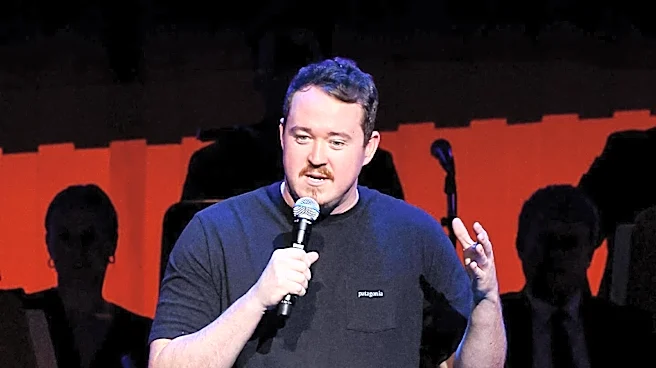
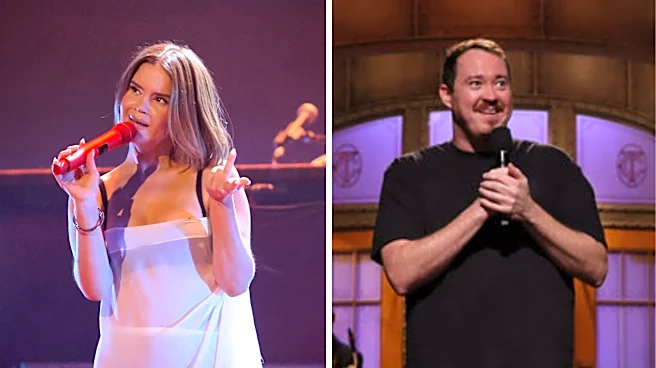
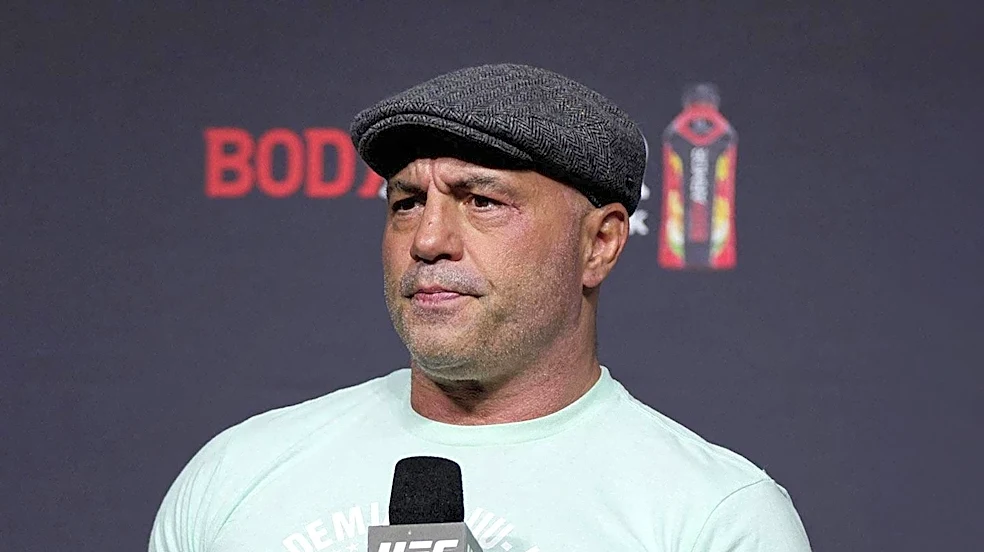
Joe Rogan has publicly defended comedian Shane Gillis following the controversy surrounding Gillis' recent monologue on 'Saturday Night Live' (SNL). During his guest-hosting appearance, Gillis made a joke about women's attire at the gym, which drew significant
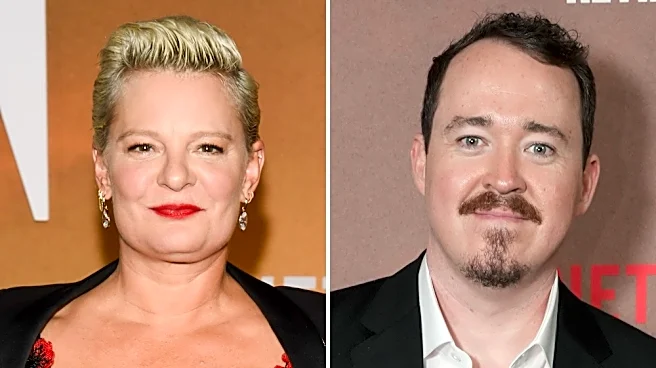
criticism for being misogynistic. Rogan, who was name-checked by Gillis during the monologue, addressed the issue on his podcast, 'The Joe Rogan Experience.' He stated that the 'word police' are overreacting to Gillis' comments and that the joke was intended to be self-deprecating, with Gillis portraying himself as a 'creep' observing women at the gym. Rogan acknowledged seeing women in revealing gym wear but insisted that Gillis is not a misogynist and that 'real misogyny actually exists.' This defense comes amidst widespread backlash from celebrities, including Dan Levy, and SNL alumni like Cecily Strong and Ego Nwodim, who have criticized Gillis' remarks.
Why It's Important?
Joe Rogan's defense of Shane Gillis is significant due to Rogan's substantial platform and influence, particularly among a segment of the population that often views criticism of certain types of humor as 'cancel culture' or excessive political correctness. His comments contribute to the ongoing national debate about the boundaries of comedy, free speech, and what constitutes offensive content. Rogan's perspective, which frames the backlash as an overreaction by 'word police,' resonates with those who believe that comedic expression is being stifled. This stance can further polarize public opinion on the issue, creating a divide between those who prioritize artistic freedom in comedy and those who emphasize social responsibility and sensitivity. The incident also highlights the power of influential podcasters like Rogan to shape narratives and rally support for figures facing public criticism, potentially impacting the careers and public perception of comedians.
What's Next?
Rogan's defense is likely to embolden supporters of Shane Gillis and further entrench the positions of those who believe in unrestricted comedic expression. This could lead to continued online debate and potentially influence future discussions about comedy specials, television appearances, and the types of content that platforms are willing to host. The controversy may also prompt other comedians and public figures to either align with Rogan's view or distance themselves from it, further segmenting the entertainment landscape. For Gillis, Rogan's support could help mitigate some of the negative impacts of the backlash, particularly among Rogan's audience. However, it is unlikely to fully quell the criticism from those who found the monologue offensive, suggesting a prolonged discussion about the role of humor in addressing sensitive social topics.
Beyond the Headlines
This situation underscores a broader cultural tension in the U.S. between traditional notions of comedic freedom and evolving standards of social responsibility and inclusivity. Rogan's argument about 'real misogyny' versus a 'joke' reflects a common defense mechanism in controversial humor, attempting to distinguish between intent and impact. However, critics often argue that even if unintended, jokes can perpetuate harmful stereotypes and contribute to a culture of disrespect. The incident also highlights the role of influential media personalities in shaping public discourse and the challenges of navigating diverse audience expectations in a fragmented media environment. It raises questions about whether comedy should always be provocative, or if it has a responsibility to be mindful of its potential to offend or marginalize certain groups, especially in a national broadcast setting like SNL.