
What's Happening?
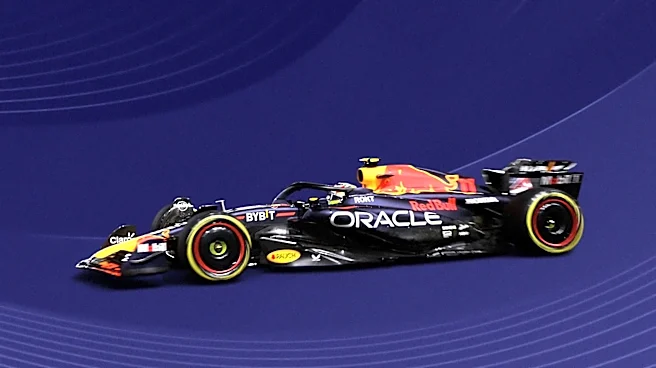
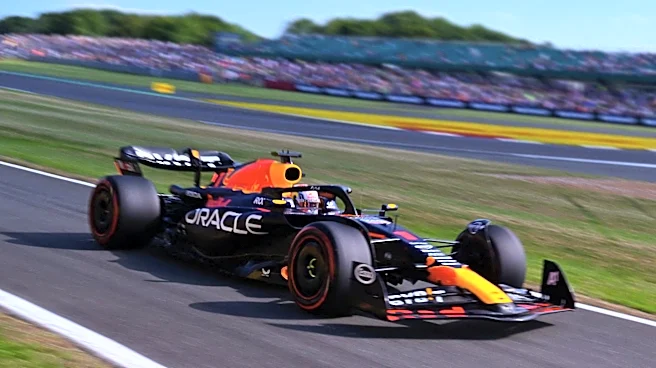
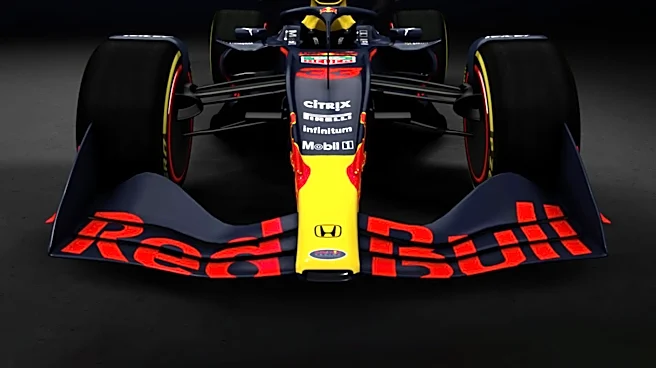
Max Verstappen has confirmed that Red Bull Racing will reintroduce its controversial rotating rear wing for the upcoming Hungarian Grand Prix. The team had previously removed the wing due to issues with airflow reattachment, which caused Verstappen to spin
off during races in Austria and Britain. After conducting tests and simulations, Red Bull is confident that the reworked rear wing will perform effectively at the Hungaroring. The wing, initially introduced in Miami, had shown immediate effectiveness but later became problematic. Technical director Pierre Waché hinted at the wing's return, and Verstappen confirmed its reinstallation, expressing hope that the issues have been resolved.
Why It's Important?
The reintroduction of the rear wing is significant for Red Bull Racing as it aims to maintain competitive performance in the Formula 1 season. The wing's effectiveness could impact the team's standings and Verstappen's performance in the championship. The decision also highlights the ongoing technical innovations and challenges teams face in adapting to new regulations and technologies. Successful implementation of the wing could provide Red Bull with a competitive edge, while failure could lead to further setbacks. The development underscores the importance of technical advancements in Formula 1 and their potential impact on race outcomes.
What's Next?
Red Bull Racing will closely monitor the performance of the reintroduced rear wing during the Hungarian Grand Prix. The team's technical staff will likely continue to refine the wing's design based on its performance in Budapest. Other teams may also observe Red Bull's approach to assess potential competitive advantages. The outcome of the race could influence Red Bull's strategy for future races, particularly in terms of technical innovations and adaptations. The team's ability to resolve the wing's issues will be crucial in maintaining its position in the constructors' championship.