


What's Happening?
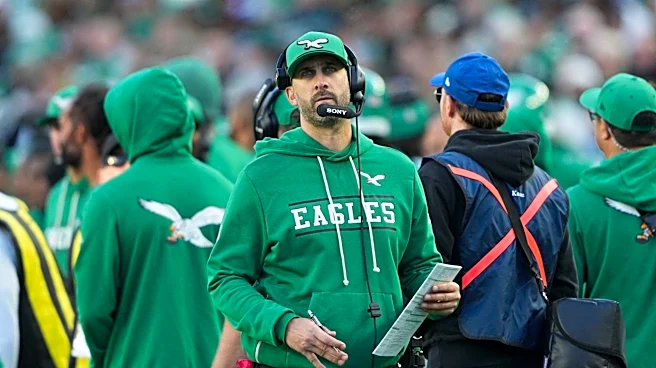
The Cincinnati Bengals are navigating a complex situation regarding compensatory draft picks following their decision to back out of a trade for edge rusher Arnold Ebiketie. Initially, the Bengals agreed to send a sixth-round pick to the Philadelphia
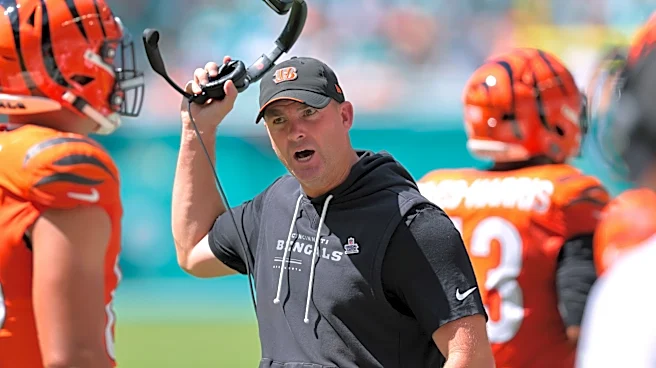
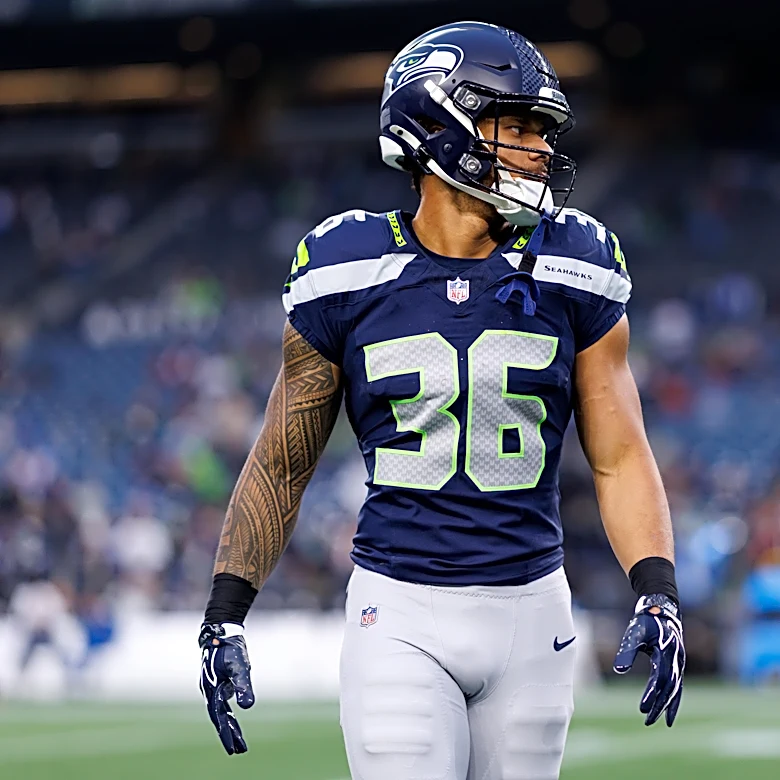
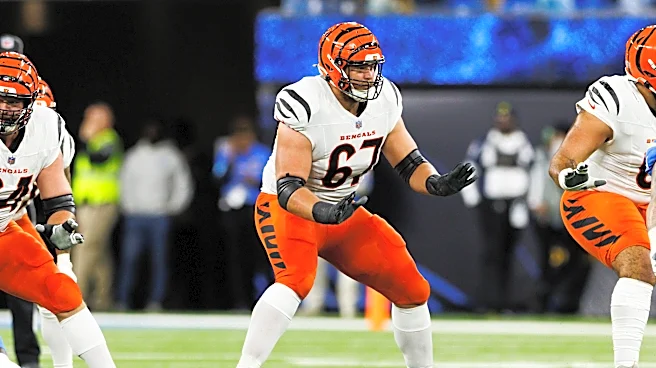
Eagles for Ebiketie. However, the trade was rescinded after OverTheCap.com's Nick Korte highlighted that completing the deal could result in the Bengals losing a projected third-round compensatory pick in the 2027 NFL Draft, which they were set to receive due to the free agency departure of Trey Hendrickson to the Ravens. The team's head coach publicly apologized for the mishap. The situation has become more intricate with the Seattle Seahawks signing former Bengals guard Cordell Volson to their practice squad. If Volson makes the Seahawks' active roster and plays a significant number of snaps as a starter, he could potentially qualify as a compensatory free agent, which might earn the Bengals an additional seventh-round pick. This development could have allowed the Ebiketie trade to proceed without jeopardizing the more valuable third-round compensatory pick.
Why It's Important?
This incident underscores the intricate and often opaque nature of the NFL's compensatory draft pick system, which significantly impacts team building and strategic roster management. For the Bengals, the potential loss of a third-round pick is substantial, as these picks are valuable assets for acquiring talent. The team's decision to reverse the trade, despite the public embarrassment, demonstrates the high value placed on these compensatory selections. The ongoing situation with Cordell Volson highlights how external factors, such as another team's roster moves, can indirectly influence a team's draft capital. This scenario could prompt other NFL franchises to re-evaluate their internal processes for assessing the impact of trades on compensatory pick projections, potentially leading to more cautious approaches in future transactions, especially near trade deadlines. The incident also brings to light the expertise of independent analysts like Nick Korte, whose insights can directly affect team decisions and financial implications.
What's Next?
The immediate next step for the Cincinnati Bengals involves closely monitoring Cordell Volson's status with the Seattle Seahawks. His progression from the practice squad to the active roster and his playing time will be crucial in determining if he qualifies as a compensatory free agent for the Bengals. If Volson does meet the criteria, it could potentially mitigate the initial concern about losing the third-round pick, although it would only yield a seventh-round pick. The Bengals will likely conduct an internal review of their trade evaluation processes to prevent similar miscalculations in the future, especially concerning the complex compensatory pick rules. Other NFL teams might also take note of this situation, potentially leading to increased scrutiny of compensatory pick implications before finalizing trades, particularly those involving players who might affect the delicate balance of the formula. The long-term impact will be seen in how the Bengals manage their roster and draft strategy in the coming seasons, with a heightened awareness of these intricate rules.
Beyond the Headlines
Beyond the immediate implications for the Bengals' draft capital, this event highlights the broader strategic chess game played within the NFL's collective bargaining agreement. The compensatory pick system, designed to reward teams for losing high-value free agents, inadvertently creates a complex layer of financial and roster management considerations. Teams must not only evaluate player talent but also understand the intricate financial thresholds and playing time requirements that determine compensatory pick eligibility. This incident could spark further debate among NFL general managers and owners about the transparency and complexity of the compensatory pick formula. It also underscores the growing influence of advanced analytics and independent cap experts in professional sports, as their detailed analyses can directly impact multi-million dollar decisions. The public nature of the Bengals' misstep might also lead to increased internal scrutiny within NFL front offices regarding the integration of such specialized knowledge into their decision-making processes, potentially leading to more robust internal analytical departments or increased reliance on external consultants.