






What's Happening?
In a recent discussion on the podcast 'Plugged In: Exploring Energy,' April Kreller, director of associations at Constellation, interviewed Mark Denzler, president and CEO of the Illinois Manufacturers’ Association. They explored the rapid advancements
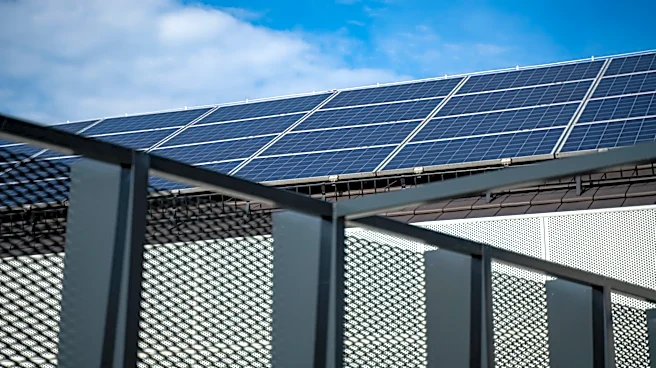
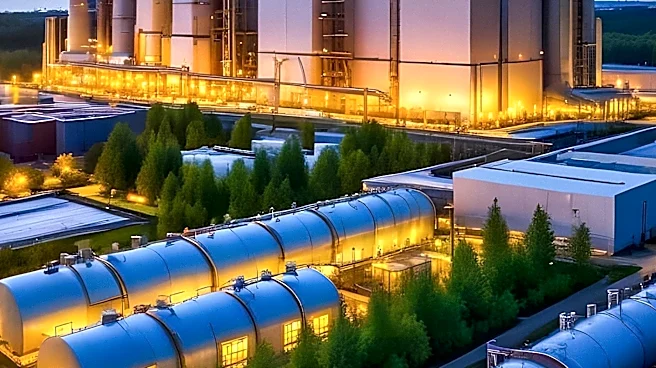
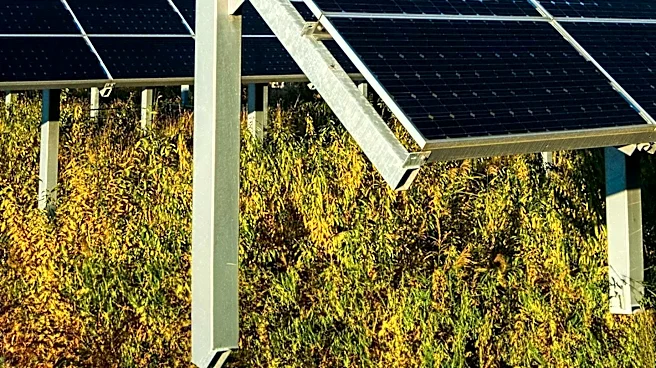
in manufacturing, exemplified by the machining of Orion spacecraft parts for NASA’s Artemis II mission and the creation of 3D-printed astronaut training pods. These innovations underscore the transformative impact of technology on manufacturing. As manufacturing evolves, so does its energy demand, necessitating a balanced mix of energy solutions. This includes nuclear power, renewables, natural gas, and emerging technologies to ensure reliability and affordability. Each energy source plays a unique role, with nuclear energy providing emissions-free baseload power and renewables like wind and solar expanding the clean energy mix. Investments in transmission infrastructure and energy efficiency programs are crucial to managing consumption and maintaining operational reliability.
Why It's Important?
The discussion highlights the critical role of energy in supporting the growth and sustainability of modern manufacturing. As manufacturing becomes more technologically advanced, the demand for reliable and affordable energy increases. This has significant implications for economic growth and environmental sustainability. The integration of diverse energy sources not only supports manufacturing operations but also contributes to reducing carbon emissions. The collaboration between manufacturers, energy providers, policymakers, and communities is essential to building a resilient energy infrastructure. This infrastructure is vital for maintaining the competitiveness of the U.S. manufacturing sector in the global market. The focus on sustainable energy solutions aligns with broader efforts to address climate change and transition to a low-carbon economy.
What's Next?
The future of manufacturing will likely see continued advancements in technology and energy solutions. Stakeholders must prioritize investments in energy infrastructure and efficiency programs to support this growth. Policymakers may need to develop regulations and incentives that encourage the adoption of clean energy technologies. Manufacturers will need to collaborate with energy providers to ensure a stable energy supply that meets their operational needs. The ongoing dialogue between industry leaders and policymakers will be crucial in shaping the energy landscape to support sustainable manufacturing practices.