




What's Happening?
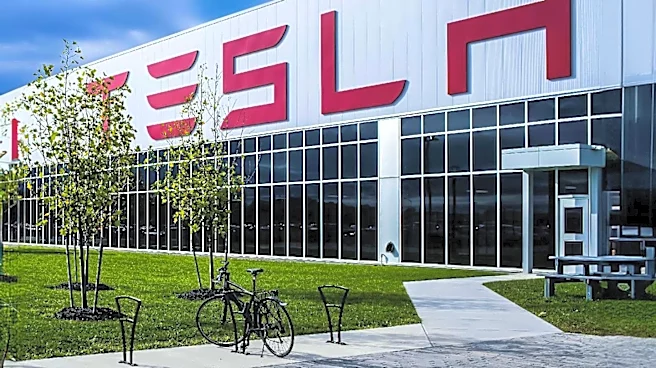
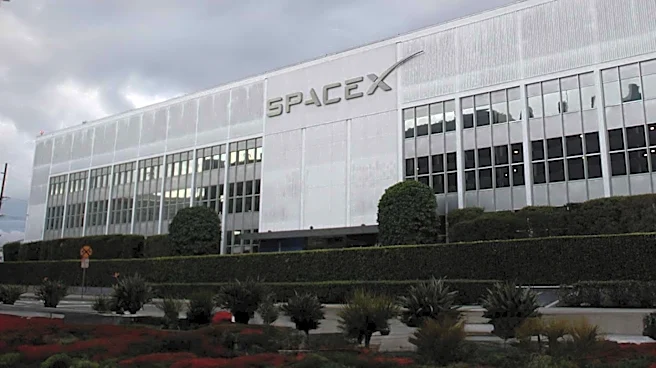
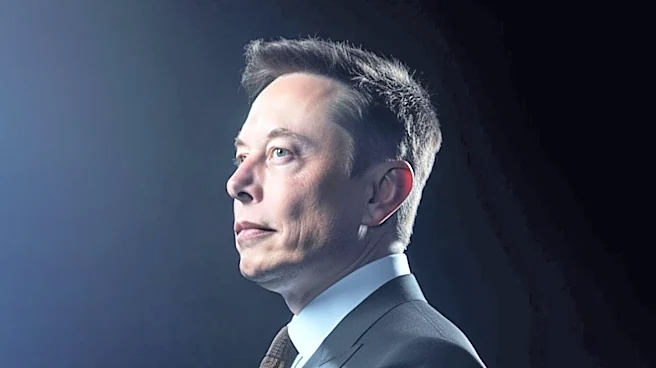
Elon Musk, the CEO of SpaceX and Tesla, became a U.S. citizen in 2002. Born in Pretoria, South Africa, in 1971, Musk taught himself to code at age 10. At 17, he moved to Canada to attend Queen's University, a strategic step towards his goal of reaching
the United States. He later transferred to the University of Pennsylvania, earning degrees in physics and economics. Musk subsequently enrolled in a physics graduate program at Stanford but dropped out after two days to pursue opportunities in the burgeoning internet industry. He co-founded his first company, Zip2, with his brother Kimbal. The process of becoming a U.S. citizen involved extensive paperwork, background checks, and interviews, culminating in his Oath of Allegiance in 2002. His motivation for citizenship included the ability to vote, serve on a jury, and obtain a U.S. passport for easier international business travel.
Why It's Important?
Elon Musk's path to U.S. citizenship underscores the country's role as a hub for innovation and entrepreneurship, attracting talent from around the globe. His story exemplifies the 'American dream' narrative, where individuals can achieve significant success through determination and seizing opportunities. For the U.S., attracting and retaining such high-caliber individuals is crucial for maintaining its competitive edge in technology, science, and business. Musk's contributions through companies like SpaceX and Tesla have had a profound impact on the aerospace, automotive, and energy sectors, driving technological advancements and creating numerous jobs. His citizenship also highlights the practical benefits for entrepreneurs, such as ease of international travel and full participation in the civic and economic life of the country, which can be a significant draw for global innovators looking to establish and grow their ventures.
What's Next?
While the article primarily focuses on Musk's past journey to U.S. citizenship, his continued presence and activities as a U.S. citizen will likely shape future technological and economic landscapes. As CEO of SpaceX and Tesla, he continues to push boundaries in space exploration, electric vehicles, and artificial intelligence. His influence extends to public discourse, particularly through social media platforms. The ongoing impact of his companies on U.S. industries, job creation, and global competitiveness will remain a key area of focus. His story may also continue to inspire future generations of immigrants and entrepreneurs to pursue their ambitions in the United States, reinforcing the nation's image as a land of opportunity for innovation and growth.
Beyond the Headlines
Musk's journey to U.S. citizenship and subsequent entrepreneurial success offers a compelling case study on the interplay between immigration policy, economic opportunity, and national innovation. His story highlights how the U.S. immigration system, despite its complexities, can ultimately facilitate the integration of individuals who go on to make significant contributions to the nation's economy and technological advancement. It also raises broader questions about the value of attracting and retaining global talent, and how policies can be designed to maximize these benefits. The narrative of an immigrant achieving such monumental success can also serve as a powerful cultural touchstone, reinforcing the idea of America as a place where ambition can thrive, regardless of one's origin. This perspective is particularly relevant in ongoing debates about immigration reform and the future of the U.S. as a global leader in innovation.