







What's Happening?
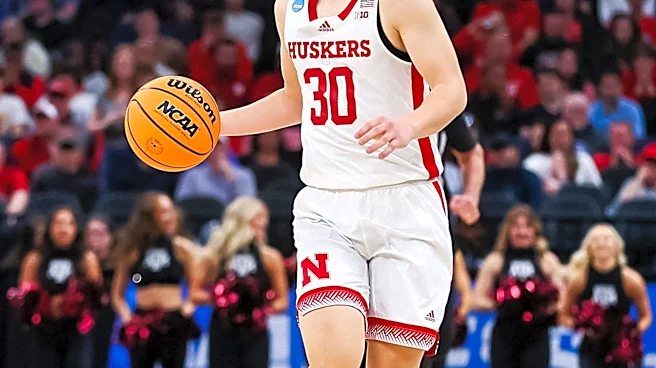
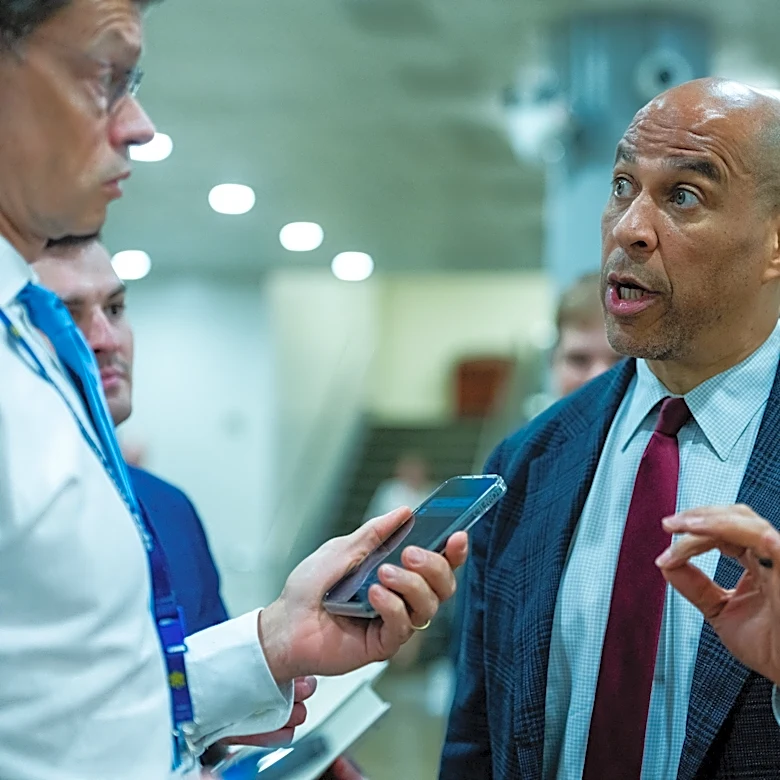
The Protect College Sports Act, a bill aimed at reshaping college sports, failed to pass the Senate before it adjourned for a five-week recess. This delay could jeopardize the bill's chances of becoming law before the upcoming midterm elections. The legislation
has been gaining momentum, but its future is uncertain as the NCAA and power conferences consider alternative solutions, including the possibility of individual conferences leaving the NCAA. The bill's failure to pass highlights ongoing tensions over revenue distribution in college sports, with schools concerned about players receiving a larger share of the profits.
Why It's Important?
The failure to pass the Protect College Sports Act underscores the ongoing debate over revenue sharing in college athletics. The bill's delay could lead to significant changes in how college sports are governed, potentially affecting the NCAA's structure and the financial dynamics between schools and athletes. The Congressional Black Caucus has criticized the bill, arguing that it fails to include the voices of Black athletes who have significantly contributed to the success of college sports. The outcome of this legislative effort could have far-reaching implications for the future of college athletics, impacting players, schools, and the broader sports industry.
What's Next?
With the Senate in recess, the future of the Protect College Sports Act remains uncertain. If the bill eventually passes the Senate, it will move to the House, where it may face further challenges and require compromises. The NCAA and power conferences may explore other solutions to address revenue distribution and governance issues. The upcoming midterm elections could also influence the bill's prospects, as lawmakers may prioritize other legislative matters. Stakeholders in college sports will be closely monitoring developments, as the outcome could reshape the landscape of college athletics.