

What's Happening?
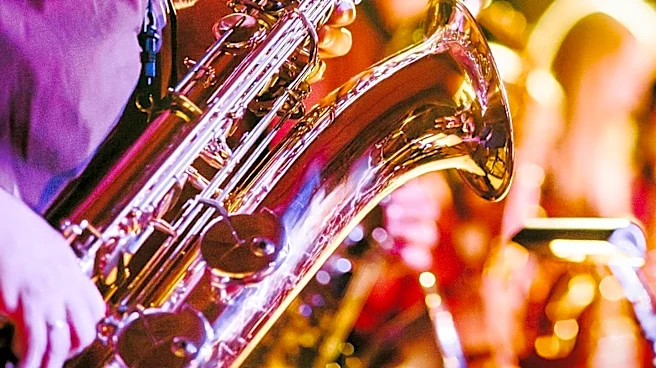
Michael White, a clarinetist, recounts his first professional gig in May 1975 with Ernest “Doc” Paulin’s brass band, performing at a Black Baptist church across the Mississippi River from New Orleans. White describes the experience of playing the hymn
“Lord, Lord, Lord, You Sure Been Good to Me” and how it introduced him to the vibrant world of Black New Orleans street processions and authentic jazz. He highlights the Eureka Brass Band, active from the 1920s to the 1970s, as a significant preserver of this tradition, known for its improvised jazz versions of marches, blues, hymns, and popular songs in community street events. White details the musical structure of the Eureka Brass Band's rendition of “Lord, Lord, Lord,” noting the collective improvisation over a strong rhythmic foundation, and how individual musicians' styles mirrored their personalities. The article emphasizes the democratic ideals embedded in New Orleans jazz, where improvisation reinterprets fixed musical parts, allowing for freedom of expression and equal participation.
Why It's Important?
This narrative offers a crucial insight into the cultural and historical significance of New Orleans brass band music within the Black community. It underscores how these musical traditions, particularly through street processions like church parades, jazz funerals, and social club parades, served as powerful expressions of Black identity, creativity, and aspirations for freedom and equality. The music fostered community bonding, hope, and strength, providing both joyous escapism and a platform for democratic ideals during a period when Black Americans were fighting for civil rights. The fading of church parade traditions by the 1980s due to rising costs and the decline of traditional-style brass bands highlights the vulnerability of cultural heritage to economic and social shifts, making White's personal account a valuable historical record of a unique American art form.
Beyond the Headlines
The deeper implications of White's account extend to the role of music as a form of cultural resistance and affirmation. New Orleans jazz, as described, was not merely entertainment but a dynamic force that shaped and reflected the collective consciousness of the Black community. The transformation of structured march songs through improvisation into culturally relevant renditions symbolizes a broader struggle for self-determination and the reinterpretation of societal norms. The article subtly touches upon the ethical dimension of preserving such traditions, especially as they face modern challenges. The concept of 'second line' dancing and the communal aspect of these parades illustrate how music can create a shared experience that transcends individual enjoyment, fostering a sense of belonging and collective identity that is deeply rooted in African-derived rhythms and expressions.