



What's Happening?
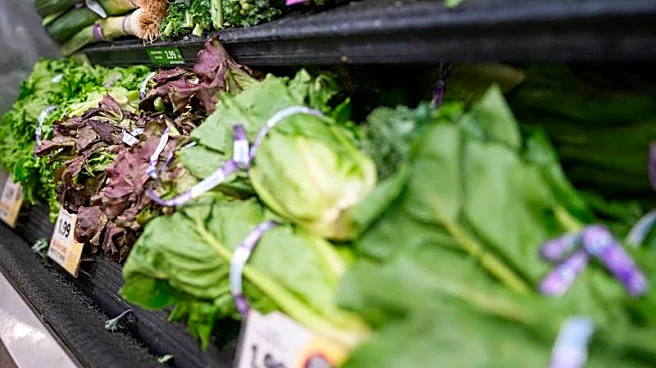
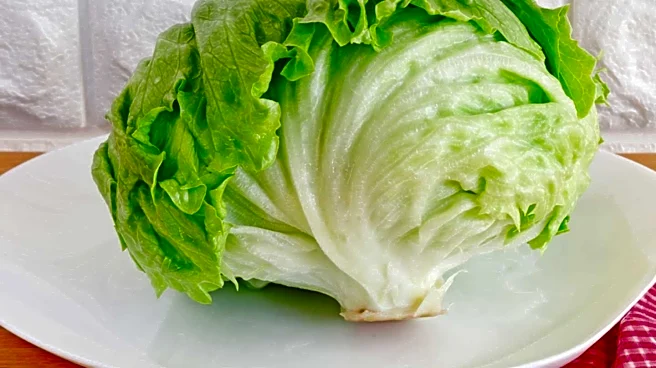
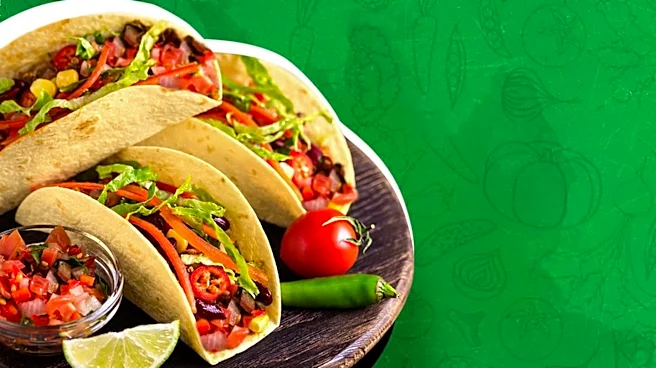
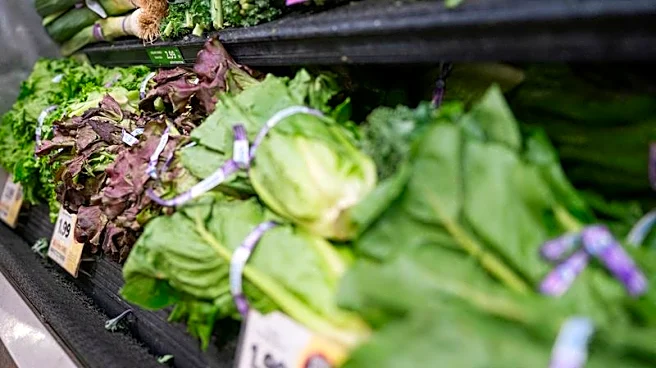
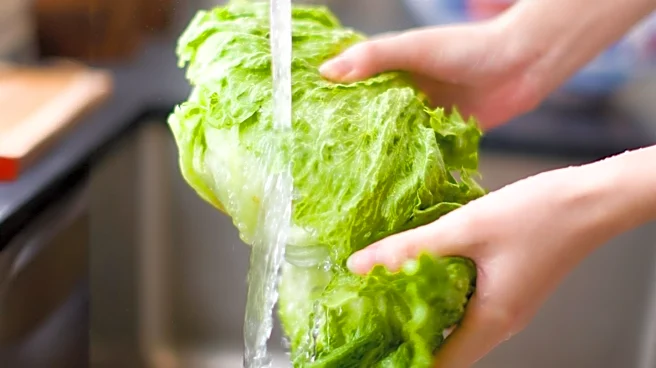
Taco Bell is experiencing a decline in U.S. same-store sales due to a cyclospora outbreak linked to shredded iceberg lettuce. The outbreak, which has affected multiple states, led to a 2% drop in sales for the July-September period, compared to a 7% increase
in the previous quarter. The outbreak was traced to lettuce supplied by Taylor Farms, prompting Taco Bell to remove the product from its restaurants. Despite the setback, Taco Bell's sales have shown signs of recovery, aided by effective communication and promotional offers. Other restaurant chains, such as Chipotle and Chopt, are also feeling the impact of the outbreak, with reduced foot traffic and sales.
Why It's Important?
The cyclospora outbreak highlights the vulnerability of the food supply chain and its impact on the restaurant industry. Food safety concerns can lead to significant financial losses and damage to brand reputation. Taco Bell's response to the outbreak, including swift action and transparent communication, is crucial in regaining consumer trust and stabilizing sales. The situation underscores the importance of rigorous food safety standards and traceability in preventing similar incidents. The outbreak also affects consumer behavior, with potential long-term shifts in dining preferences and increased scrutiny of food sources.
What's Next?
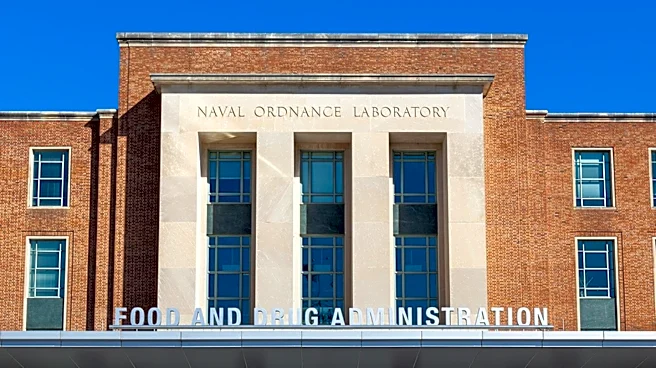
As the investigation into the cyclospora outbreak continues, the FDA aims to identify the full extent of the issue and prevent further cases. Taco Bell and other affected chains will focus on rebuilding consumer confidence through safety assurances and marketing strategies. The restaurant industry may see increased regulatory scrutiny and pressure to enhance food safety protocols. Additionally, the outbreak could influence supply chain practices, encouraging diversification and improved monitoring to mitigate risks. The financial impact on affected companies will be closely watched, with potential implications for stock performance and investor confidence.