






What's Happening?
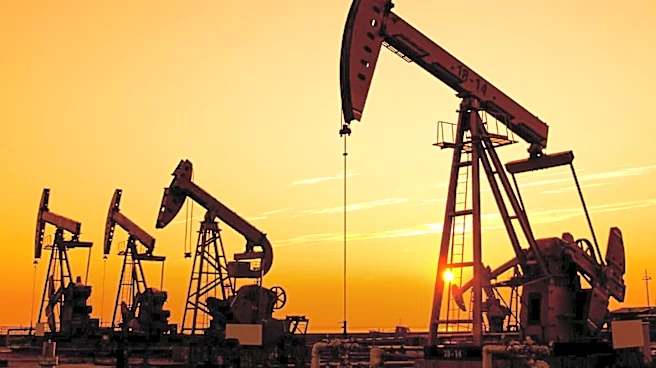
Oil prices have stabilized near pre-conflict levels as OPEC+ announced another increase in oil production. The alliance plans to raise output by 188,000 barrels per day starting in August, marking the third consecutive monthly increase. This decision
comes as global crude supplies recover, particularly through the Strait of Hormuz, a critical shipping lane that had been disrupted during the U.S.-Israeli conflict with Iran. The reopening of this passage and a U.S.-brokered memorandum with Tehran have helped calm markets. Despite these increases, actual output remains below pre-conflict levels due to earlier disruptions. The alliance is also facing internal challenges, such as the UAE's exit and Iraq's push for a larger quota.
Why It's Important?
The increase in oil production by OPEC+ is significant for global energy markets, as it helps alleviate fears of a prolonged supply crunch. Stabilizing oil prices can have a broad impact on the global economy, influencing everything from transportation costs to inflation rates. For the U.S., which is a major consumer of oil, these developments could lead to more stable fuel prices, benefiting both consumers and businesses. Additionally, the decision reflects a strategic move by OPEC+ to balance market demands while navigating internal political dynamics, which could affect future production decisions.
What's Next?
OPEC+ is scheduled to meet again on August 2, where further production increases may be discussed. The group's ability to maintain market balance will depend on recovering exports, demand fluctuations, and geopolitical developments. Investors and stakeholders will be closely monitoring these factors, as well as any potential shifts in the alliance's internal dynamics, which could influence future oil market stability.