






What's Happening?
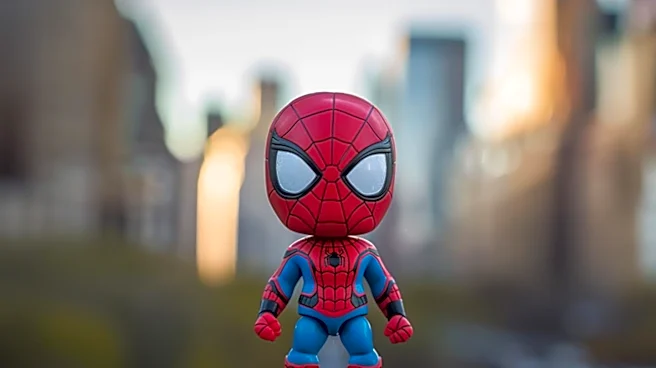
Spider-Man, one of Marvel Comics' most iconic characters, made his debut in 'Amazing Fantasy #15' in August 1962, a comic that was originally slated for cancellation. The anthology series, initially titled 'Amazing Adventures' and later 'Amazing Adult
Fantasy,' was struggling with poor sales despite its aim to appeal to adult readers with science fiction stories. Publisher Martin Goodman had decided to cancel the title with its 15th issue. However, Stan Lee saw an opportunity to introduce a new type of superhero: a relatable teenager with real-world problems, a concept that had previously faced resistance. With the series already ending, Lee and artist Steve Ditko were given the chance to feature Spider-Man on the cover and as the central hero of the final issue, rebranded as 'Amazing Fantasy.' This last-ditch effort unexpectedly turned the dying book into one of the year's best sellers, leading to Spider-Man quickly getting his own dedicated title, 'The Amazing Spider-Man #1,' which continues to this day.
Why It's Important?
The unexpected success of 'Amazing Fantasy #15' is a pivotal moment in comic book history, demonstrating how a single character can transform the fortunes of a struggling publication and launch a global phenomenon. Spider-Man's introduction marked a significant shift in superhero archetypes, moving away from exclusively adult heroes and sidekicks to embrace a relatable teenage protagonist. This resonated deeply with audiences, establishing a model for character development that combined extraordinary abilities with everyday struggles, making him one of the most human and enduring superheroes. His popularity not only saved a comic series but also laid the groundwork for Marvel's future success, influencing countless characters and narratives across comics, television, and film. The character's enduring appeal highlights the importance of relatability and vulnerability in storytelling, proving that audiences connect with heroes who face challenges beyond just supervillains.
What's Next?
While the immediate future for 'Amazing Fantasy' as a series ended with Spider-Man's debut, the character's legacy continues to evolve. Spider-Man remains a central figure in Marvel Comics, with ongoing series, new storylines, and continuous adaptations across various media. The character is a cornerstone of the Marvel Cinematic Universe, with new films and television series regularly in development, ensuring his continued presence in popular culture. The success of Spider-Man also paved the way for other relatable, flawed heroes, influencing how new characters are conceived and developed within the comic book industry. Future iterations of Spider-Man are likely to explore new dimensions of his character, adapting to contemporary social issues while retaining the core elements that made him an instant success: his humanity, his struggles, and his unwavering commitment to doing good.
Beyond the Headlines
The story of Spider-Man's origin in a cancelled comic offers a deeper lesson about creative risk-taking and the unpredictable nature of success. It illustrates how constraints and perceived failures can sometimes create the perfect environment for groundbreaking innovation. Stan Lee's decision to introduce a 'different' kind of hero in a dying publication was a gamble that paid off immensely, challenging conventional wisdom about what audiences wanted in a superhero. This event underscores the idea that some of the most impactful creations emerge from moments of desperation or unconventional thinking. Furthermore, Spider-Man's enduring appeal speaks to universal themes of responsibility, perseverance, and the struggle to balance personal life with greater duties, making him a timeless figure whose relevance transcends generations and cultural shifts. His origin story itself is a testament to the power of trying 'just one more thing' when all hope seems lost.