
What's Happening?
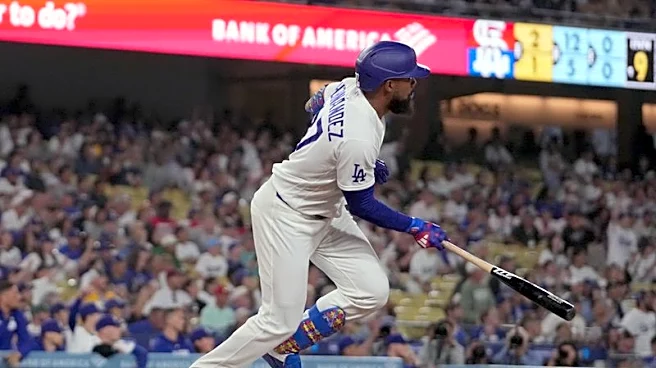
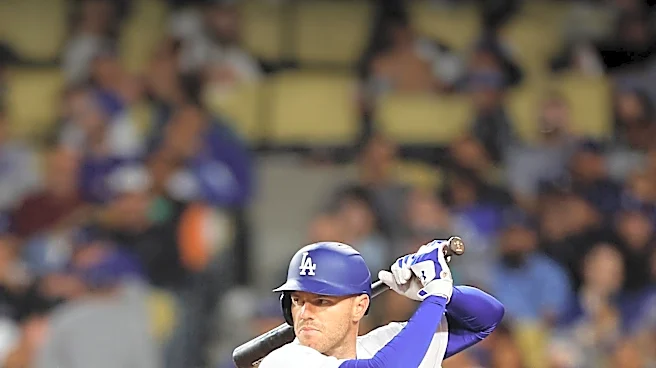
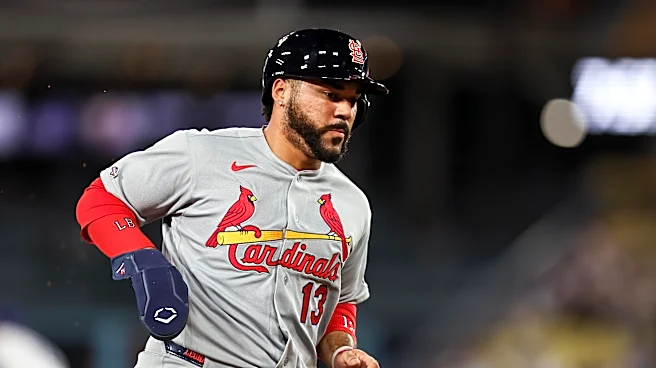
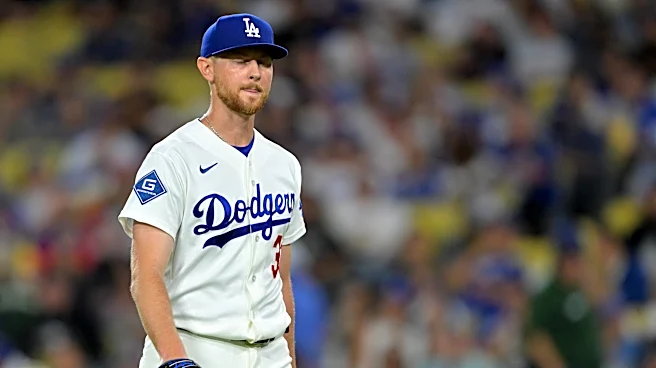
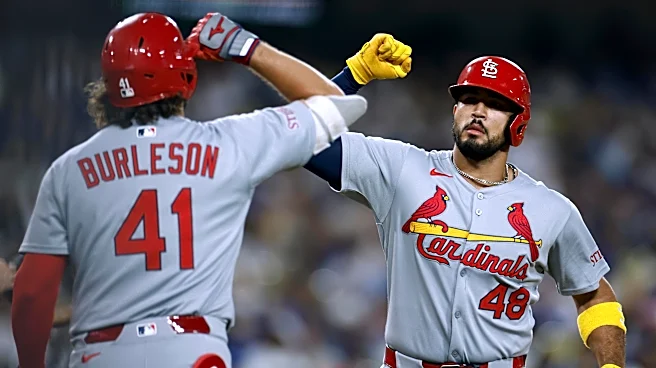
Congressman Eric Burlison, representing Missouri, engaged in a heated baseball debate outside the Capitol, where he openly criticized the L.A. Dodgers. Burlison, a fan of the St. Louis Cardinals, referred to the Dodgers as 'the best team money can buy,'
highlighting the significant disparity in team payrolls. He noted that the Cardinals' payroll is approximately $92 million, while the Dodgers' payroll stands at a much higher $336.5 million. When confronted with the Dodgers' World Series rings, Burlison countered by stating that the Cardinals have more World Series wins, specifically 11 compared to the Dodgers' 9. This exchange occurred during an interview with TMZ D.C., where Burlison used the opportunity to express his team loyalty and critique the financial aspects of professional baseball.
Why It's Important?
This interaction, while seemingly lighthearted, underscores a broader discussion within professional sports regarding financial disparities and their impact on competitive balance. The 'best team money can buy' argument reflects a common sentiment among fans of teams with smaller budgets, who often feel that financial power can overshadow traditional team building and player development. For U.S. sports, this debate is significant because it touches on the integrity of competition and the perceived fairness of leagues. It also highlights the economic realities of major league sports, where large market teams often have a substantial advantage in attracting top talent due to higher payrolls. This can lead to fan frustration and questions about whether the sport remains accessible and competitive for all teams, regardless of their financial backing.
What's Next?
While Congressman Burlison's comments are unlikely to lead to direct legislative action, they contribute to an ongoing public discourse about financial equity in professional sports. This conversation often resurfaces during periods of significant player contracts or team acquisitions. Sports leagues and team owners may face continued pressure from fans and media to address competitive balance issues, potentially leading to discussions about salary caps, revenue sharing, or other mechanisms designed to level the playing field. Such debates can influence fan engagement, sponsorship deals, and the overall perception of fairness within the sport. The comments also serve as a reminder that public figures, even in their personal interests, can amplify broader societal discussions.
Beyond the Headlines
The exchange between Congressman Burlison and the TMZ reporter delves into the cultural and economic fabric of American sports. It highlights the deep-seated loyalty fans have for their teams and the emotional investment in their success. Beyond the numbers, the 'money can buy' narrative taps into a sense of underdog spirit versus corporate dominance, a theme prevalent in many aspects of American culture. This sentiment can influence how fans perceive the authenticity and spirit of competition. It also subtly touches on the role of wealth in shaping outcomes, not just in sports but in other sectors, reflecting a broader societal critique of economic inequality. The discussion, therefore, transcends baseball, becoming a microcosm of larger debates about fairness, opportunity, and the influence of money.