








What's Happening?
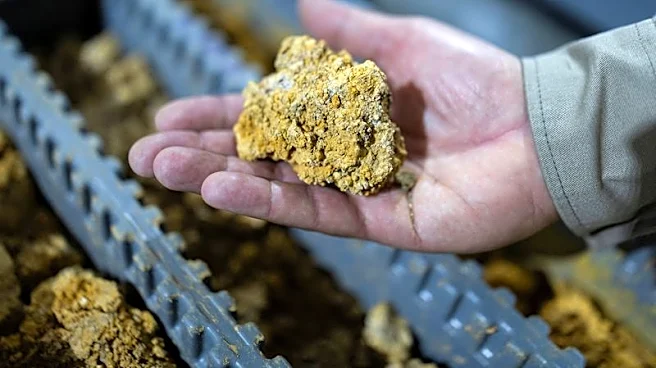
IMC Rare Earths Ltd (NYSE American: IMC) has announced two high-grade yttrium-rich discoveries at its Itarantim ionic adsorption clay rare earth project in Brazil. The discoveries include a shallow, 7-meter intersection at Block H with 2,052 ppm yttrium oxide,
and a 13-meter intersection at Block D with 1,287 ppm yttrium oxide. Yttrium accounts for a significant portion of the rare earth content in these blocks, with 36% at Block H and 26% at Block D, compared to an average of about 10% across the drilling database. These findings are exploration-stage results, and further drilling and metallurgical work are required to establish their full extent and commercial potential. Yttrium is a critical mineral used in semiconductor equipment, aerospace components, lasers, and advanced ceramics.
Why It's Important?
These high-grade yttrium discoveries are significant for diversifying critical mineral supply chains, particularly given the global reliance on China for rare earth elements. The U.S. and its allies are actively seeking alternative sources to reduce geopolitical risks and ensure the availability of essential materials for high-tech industries and defense. The potential addition of yttrium from the Itarantim project could contribute to this diversification effort, strengthening the supply of a mineral vital for various advanced technologies. The exploration and development of such projects outside of China are crucial for enhancing global supply chain resilience and supporting the energy transition and technological advancements in Western nations.
What's Next?
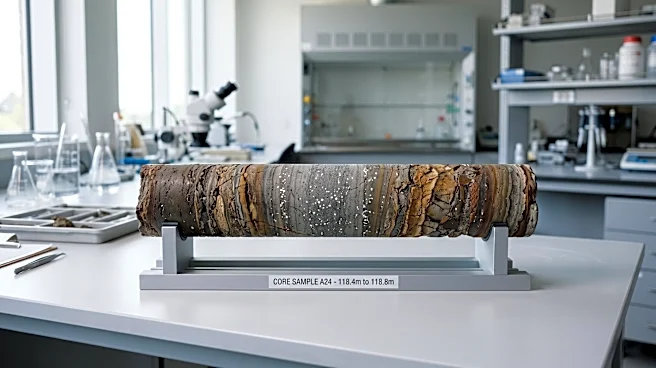
IMC Rare Earths plans to conduct infill and step-out drilling at Block H to define the extent, thickness, and continuity of the shallow, high-grade yttrium zone, along with ammonium sulfate leach testing on all mineralized samples. At Block D, diamond drilling is planned to test the full yttrium-enriched zone and expand the yttrium-rich and magnet rare earth domains. Representative material will also be collected for metallurgical testwork at ANSTO in Australia to directly measure yttrium extraction from the high-grade zones. These next steps are crucial for moving from exploration-stage results to establishing a mineral resource and assessing the commercial viability of the project.
Beyond the Headlines
The discovery of high-grade yttrium in Brazil highlights the increasing global effort to identify and develop new sources of critical minerals. This trend is driven by both the growing demand for these materials in emerging technologies and the strategic imperative to reduce dependence on concentrated supply chains. The focus on ionic adsorption clay deposits, which are often amenable to lower-cost extraction methods, could also influence future mining practices. The success of projects like Itarantim could encourage further investment in rare earth exploration and processing in other regions, fostering a more distributed and secure global supply network for these essential elements. This development also underscores the importance of international collaboration in resource development and technological advancement.