




What's Happening?
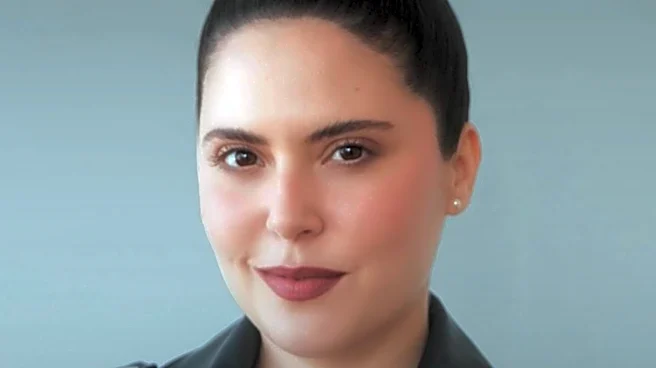
Nick Dinerstein, Master Authenticator of Home and Art at The RealReal, has provided insights into the increasing sophistication of counterfeit luxury items and the advanced techniques his company employs to detect them. Dinerstein, who has been with The RealReal for
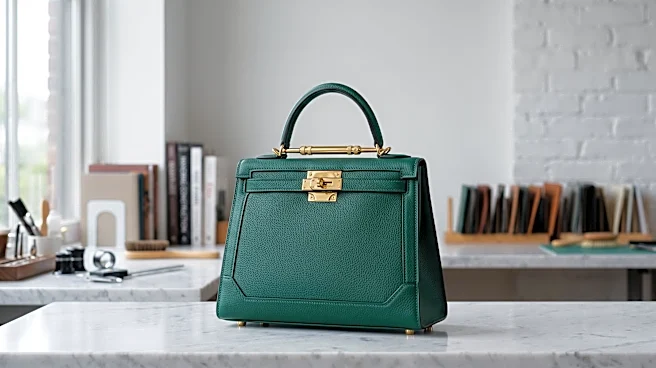
nine years, oversees authentication processes for home and art items and develops scientific testing for fashion pieces like handbags and shoes. He notes that counterfeiters are now using fake Near Field Communication (NFC) chips in handbags and creating entire fake collateral sets, including receipts, to deceive buyers. The RealReal has prevented over 250,000 fake items from entering the market. Dinerstein's team utilizes X-ray fluorescence testing to analyze metal purity and content in handbag hardware, comparing alloy compositions across brands and years. They also use X-ray machines to examine the internal construction of bags and shoes, revealing details like screw threads that might be obscured by glue in counterfeit items. This rigorous approach is crucial as the luxury resale market continues to grow, with vintage items, in particular, seeing a 432% increase in searches over the last year.
Why It's Important?
The evolution of 'superfakes' poses a significant threat to the integrity and trust within the luxury resale market, impacting both consumers and platforms like The RealReal. For consumers, the risk of unknowingly purchasing a high-priced counterfeit item erodes confidence in the secondary market and can lead to substantial financial losses. For The RealReal, maintaining its reputation as a reliable marketplace for authenticated luxury goods is paramount to its business model and continued growth. The company's investment in advanced scientific authentication methods, such as X-ray fluorescence and internal X-ray imaging, is crucial for staying ahead of counterfeiters. This commitment to authenticity not only protects its 40 million members but also reinforces the value proposition of the circular economy for luxury goods. The increasing popularity of vintage items further amplifies the need for robust authentication, as these rare pieces often command higher prices and are more susceptible to sophisticated counterfeiting efforts, making expert verification indispensable for market stability and consumer protection.
What's Next?
The ongoing arms race between authenticators and counterfeiters suggests a continuous need for innovation in detection technologies and methodologies. The RealReal will likely continue to invest in research and development to refine its scientific testing capabilities, potentially exploring new material analysis techniques or AI-driven authentication processes to combat emerging counterfeiting methods. As luxury brands themselves integrate more advanced security features, such as NFC chips, authenticators will need to develop ways to verify these features effectively, even when counterfeiters attempt to replicate them. Furthermore, increased consumer awareness about the sophistication of fakes may drive demand for more transparent authentication processes and guarantees from resale platforms. The company may also expand its educational efforts to inform both consignors and buyers about the risks of counterfeits and the value of expert authentication, further solidifying its position as a trusted leader in the luxury resale market.
Beyond the Headlines
The battle against counterfeit luxury goods extends beyond mere financial transactions, touching upon broader issues of intellectual property rights, brand integrity, and ethical consumption. The proliferation of superfakes highlights the challenges brands face in protecting their designs and craftsmanship in a globalized market. For consumers, the allure of luxury often comes with an expectation of quality and exclusivity, which counterfeits undermine. The RealReal's rigorous authentication process not only safeguards consumers but also indirectly supports the original designers by upholding the value and authenticity of their creations. This commitment to authenticity also plays a role in promoting sustainable luxury, as it encourages the reuse and resale of genuine items, contributing to a circular economy. The ongoing technological advancements in authentication also raise questions about the future of consumer trust in digital marketplaces and the increasing reliance on scientific methods to verify the provenance and legitimacy of high-value goods, transforming the very nature of luxury commerce.