








What's Happening?
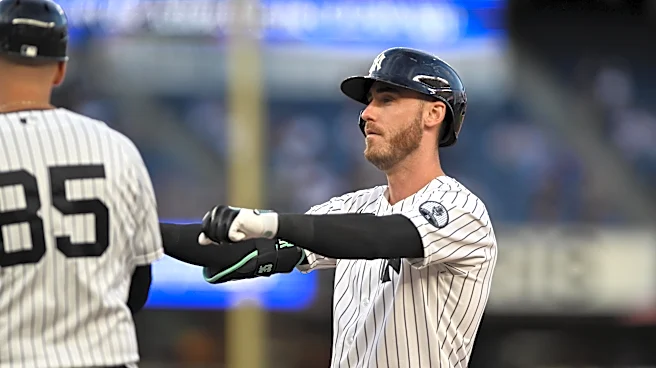
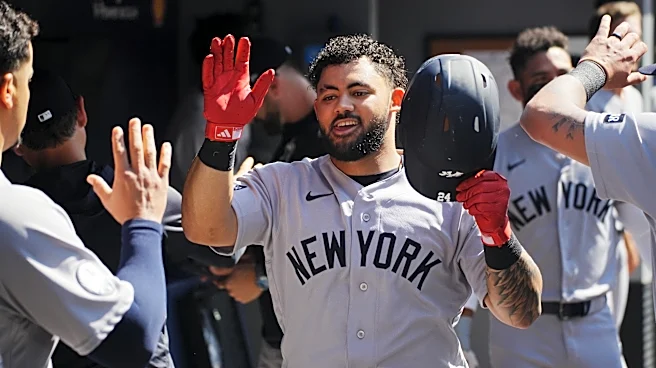
As the Major League Baseball (MLB) season approaches its midpoint, players are reflecting on the impact of fatherhood on their professional and personal lives. Aaron Judge, a prominent player, shared insights into how becoming a father has shifted his
perspective, emphasizing the joy and grounding effect of returning home to his daughter, who remains blissfully unaware of his on-field performance. This sentiment is echoed by other players who find balance and motivation in their roles as fathers, which influences their approach to the game and life outside of baseball.
Why It's Important?
The intersection of personal life and professional sports is significant as it highlights the human aspect of athletes often seen only through the lens of their performance. For MLB players, fatherhood introduces a new dimension to their lives, offering emotional support and a sense of purpose beyond the game. This can lead to improved mental health and well-being, potentially enhancing their performance on the field. Additionally, it underscores the importance of work-life balance, a universal theme that resonates with many, regardless of profession.
What's Next?
As the season progresses, players will continue to navigate the challenges of balancing family responsibilities with the demands of professional sports. The MLB community may see increased support systems for players with families, such as family-friendly policies and initiatives. Fans and teams alike will likely observe how these personal dynamics influence player performance and team dynamics as the season advances toward the playoffs.
Beyond the Headlines
The discussion around fatherhood in MLB also touches on broader societal themes, such as the evolving role of fathers in modern families and the importance of parental involvement. It challenges traditional notions of masculinity in sports, promoting a more holistic view of athletes as individuals with diverse roles and responsibilities. This shift could inspire other sports leagues to foster environments that support athletes' personal lives, ultimately benefiting their professional careers.