


What's Happening?
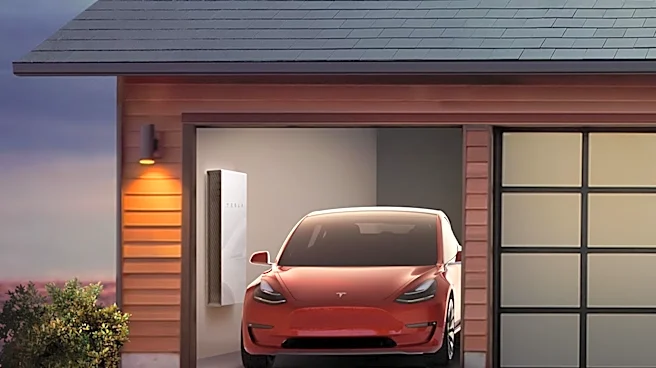
Battery energy storage systems (BESS) are becoming essential components of the electric grid, acting as reservoirs to store and release electricity as needed. The cost of utility-scale battery storage has significantly decreased, making it a viable solution
for managing energy supply and demand. BESS enables the storage of surplus solar power and provides energy during peak demand periods, reducing reliance on the grid. The technology also supports grid stability by regulating frequency and voltage, and offers black-start capabilities to restore power after outages.
Why It's Important?
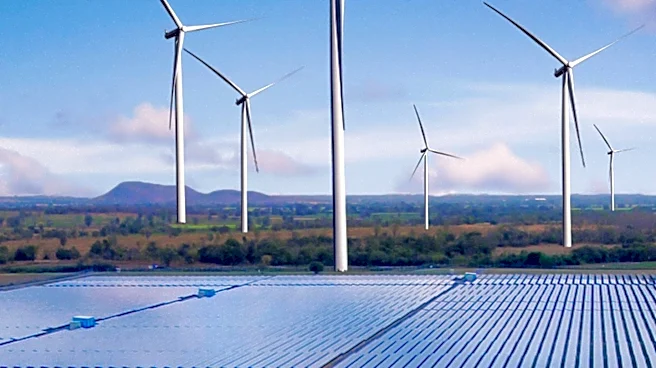
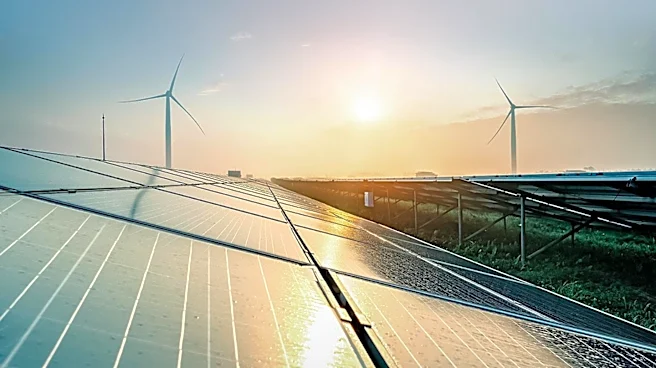
The integration of BESS is crucial for enhancing the reliability and efficiency of renewable energy sources like solar and wind. By addressing the intermittency of renewables, BESS facilitates higher penetration of clean energy into the grid, supporting decarbonization goals. The economic benefits include reduced demand charges for commercial users and avoided costs for utilities, which can lead to significant savings. As the technology becomes more widespread, it could transform energy markets and drive further investments in renewable infrastructure.
Beyond the Headlines
The adoption of BESS raises important considerations regarding safety, particularly in terms of battery chemistry and engineering standards. The choice between lithium iron phosphate (LFP) and nickel-manganese-cobalt (NMC) cells can impact safety and performance. Regulatory frameworks are evolving to address these concerns, with standards like NFPA 69 and UL 9540A guiding safe deployment. As the industry grows, ensuring compliance with these standards will be critical to maintaining public trust and maximizing the benefits of energy storage technology.