





What's Happening?
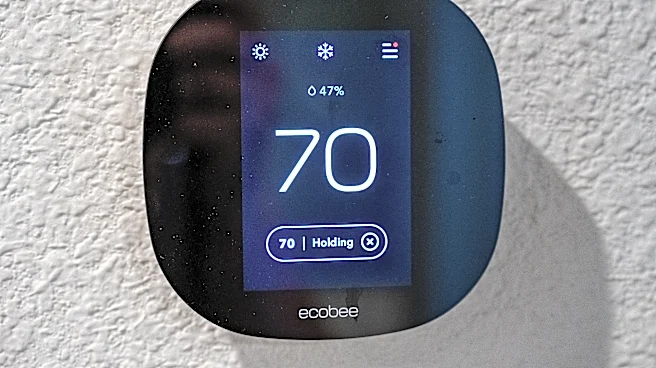
Smart thermostats, traditionally used for remote temperature control and energy saving, are now being leveraged in the hospitality industry as advanced sensors for HVAC maintenance. These devices, which connect to Wi-Fi and report data every few minutes,
can track setpoint, actual room temperature, runtime, mode, and occupancy. This continuous data stream allows hotels to move from reactive to proactive maintenance. Instead of waiting for guest complaints about HVAC issues, the data can identify anomalies such as units failing to reach setpoints, short-cycling, or experiencing long runtimes. This early detection capability enables hotel maintenance software, like OxMaint AI, to automatically generate work orders for specific rooms and units, addressing potential problems before they impact guest comfort or lead to costly breakdowns. The system can differentiate between issues common to PTAC units and fan coil units, tailoring the diagnostic approach based on the equipment type.
Why It's Important?
This evolution of smart thermostats is significant for the U.S. hospitality industry, offering substantial operational and financial benefits. By transforming thermostats into early-warning systems, hotels can drastically reduce guest complaints related to in-room temperature, which directly impacts guest satisfaction and online reviews. A single negative review or a comped night due to HVAC failure can be more expensive than the repair itself. Furthermore, HVAC systems represent a major portion of a hotel's energy expenditure. Proactive maintenance, informed by thermostat data, ensures units operate efficiently, preventing energy waste caused by issues like clogged filters or dirty coils. This not only lowers utility bills but also extends the lifespan of HVAC equipment by addressing wear and tear early, turning what would be a major replacement into a minor repair. The shift to data-driven maintenance optimizes resource allocation, allowing engineering teams to focus on units that genuinely require attention.
What's Next?
The trend of integrating smart thermostat data with AI-powered maintenance platforms is expected to expand across the hospitality sector. Hotels that adopt these systems will likely see improved guest satisfaction scores, reduced operational costs, and enhanced efficiency in their maintenance departments. Future developments may include more sophisticated AI algorithms that can predict specific component failures with greater accuracy, further optimizing parts inventory and technician scheduling. There could also be increased integration with other smart room technologies, creating a more holistic and automated building management system. As the technology matures, it may become a standard feature in new hotel constructions and renovations, pushing the industry towards more predictive and less reactive operational models. This could also lead to new service offerings from HVAC manufacturers and technology providers, focusing on data analytics and predictive maintenance solutions.
Beyond the Headlines
Beyond the immediate operational benefits, the use of smart thermostat data for predictive maintenance highlights a broader shift towards the Internet of Things (IoT) and artificial intelligence in facility management. This development underscores how everyday devices can be repurposed to generate valuable operational intelligence, transforming traditional maintenance practices. Ethically, this raises questions about data privacy, particularly if occupancy data is collected and analyzed, though the primary focus here is on equipment performance. Legally, hotels will need to ensure compliance with data handling regulations. Culturally, it represents a move towards a more data-centric approach to problem-solving in industries that have historically relied on reactive measures. This paradigm shift could eventually influence other sectors with extensive HVAC infrastructure, such as commercial real estate, healthcare facilities, and large residential complexes, leading to more sustainable and efficient building operations nationwide.