






What's Happening?
Leading plastic surgeons are providing insights into the factors determining the best age for facelift procedures, noting that age is just one component in the decision-making process. The discussion comes as facial plastic surgery sees a boom, partly
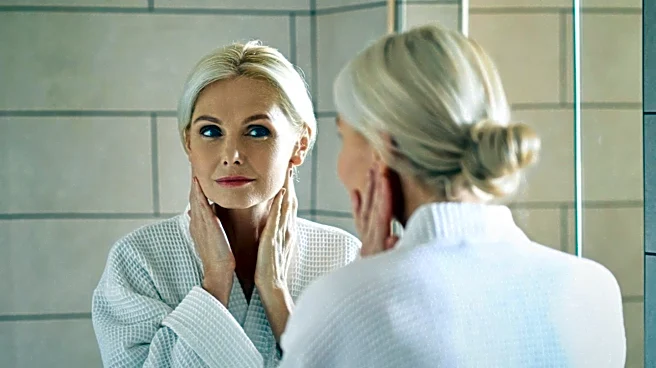
due to increased celebrity candidness and social media sharing of cosmetic procedures. According to Beverly Hills, Calif.-based plastic surgeon Dr. Carl Truesdale, individuals might consider intervention if they notice themselves 'lifting their face in the mirror.' While minimally invasive options offer temporary improvements, only a facelift can provide a lasting effect by lifting and tightening the skin. Dr. Anthony Youn, a Michigan-based plastic surgeon, indicates that some individuals in their 40s may undergo facelifts due to premature aging caused by factors like massive weight changes or genetics. The financial aspect is also a significant consideration, as facelifts are a substantial investment. The experts emphasize that there is no universal 'best age,' with the 'sweet spot' generally falling between 45 and 55, though this can vary widely based on individual circumstances and skin condition.
Why It's Important?
The growing interest in facelifts and cosmetic procedures reflects evolving societal attitudes towards aging and personal appearance in the U.S. This trend has significant implications for the plastic surgery industry, potentially leading to increased demand for specialized services and advanced surgical techniques. For individuals, understanding the various factors beyond age, such as skin laxity, hormonal changes, and previous cosmetic treatments, is crucial for making informed decisions about such significant medical procedures. The financial consideration highlights disparities in access to these procedures, as they are often costly and not covered by insurance, making them primarily accessible to higher-income demographics. Furthermore, the discussion around the impact of fillers on future facelifts underscores the importance of comprehensive consultation with plastic surgeons to avoid complications and achieve desired outcomes, influencing patient education and pre-surgical planning protocols.
What's Next?
As public interest in cosmetic procedures continues to grow, the plastic surgery field is likely to see further advancements in techniques and a greater emphasis on personalized patient consultations. Patients considering facelifts will need to engage in thorough discussions with their surgeons to assess their individual candidacy, considering factors like skin quality, hormonal status, and prior filler use. The evolving understanding of how fillers interact with facelift outcomes, as noted by New York surgeon Dr. Ramtin Kassir, suggests that guidelines for pre-facelift filler use may become more stringent or clearly defined. Additionally, the industry may see a continued focus on educating the public about the realistic expectations and financial commitments associated with facelifts, potentially leading to more transparent pricing and financing options. The trend of earlier intervention for women, particularly pre-menopause, as suggested by Dr. Sarmela Sunder, could also influence marketing strategies and patient demographics for facelift procedures.
Beyond the Headlines
The increasing openness about cosmetic procedures, driven by celebrities and social media, is normalizing discussions around aesthetic enhancements and challenging traditional perceptions of aging. This cultural shift can empower individuals to pursue procedures that align with their personal goals for self-image, but it also raises ethical considerations regarding body image pressures and the potential for unrealistic expectations. The emphasis on timing, particularly for women considering hormonal changes, highlights a deeper understanding of the biological factors influencing surgical outcomes, moving beyond purely aesthetic considerations to a more holistic view of patient physiology. The financial barrier to facelifts also underscores broader socioeconomic inequalities, where access to advanced cosmetic care remains a privilege. This trend could further entrench a beauty standard that is expensive to maintain, potentially widening the gap between those who can afford to 'age gracefully' with medical intervention and those who cannot.