

What's Happening?
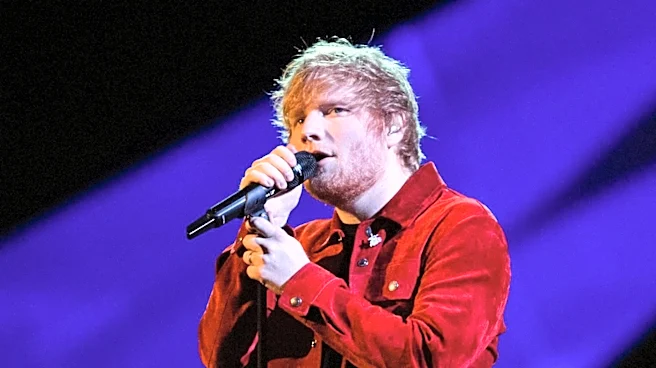
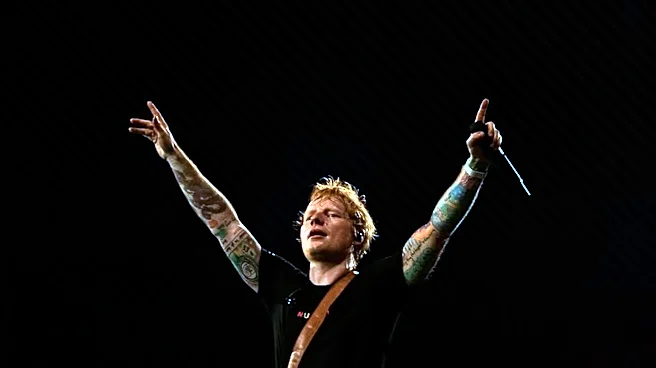
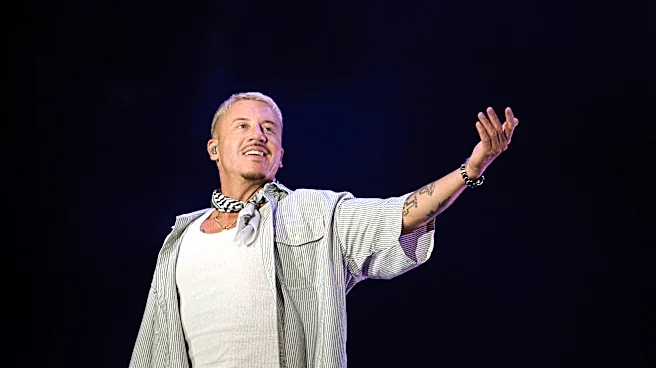
Pink has drawn criticism online after sharing a social media post that called for Ed Sheeran to apologize and issue refunds to fans. This demand stemmed from Macklemore's politically charged opening performance at Sheeran's MetLife Stadium concerts in New
Jersey on September 4 and 5, 2026. During his set, Macklemore addressed the conflict in Gaza, advocated for Palestinian freedom, and performed his protest song 'Hind's Hall,' while wearing a keffiyeh and displaying Gaza-related imagery on screens. The performance ignited debate regarding political expression at live music events, with some critics urging Macklemore's removal from Sheeran's future tour dates. Pink's amplification of the refund demand has intensified the controversy, prompting discussions among social media users about the extent of a headliner's responsibility for the political views expressed by their supporting acts. As of September 7, 2026, there has been no official announcement from Sheeran or his tour organizers regarding a refund program.
Why It's Important?
This incident highlights a significant and ongoing debate within the U.S. entertainment industry concerning the intersection of artistic expression, political activism, and audience expectations at live events. The controversy raises questions about the responsibilities of headline performers for the content delivered by their supporting acts, and whether audiences should anticipate or be shielded from political messaging at concerts. For artists, it underscores the potential for their platforms to become arenas for social and political commentary, which can be met with both support and backlash. For concert promoters and ticketing companies, it presents challenges in managing audience expectations and potential demands for refunds, especially when political content is unexpected. The mixed reactions to Pink's intervention demonstrate the polarized nature of public opinion on these issues, reflecting broader societal divisions regarding political discourse in public spaces. The situation could influence future contractual agreements between headliners and opening acts, potentially leading to clearer guidelines on content or disclaimers for audiences.
What's Next?
The immediate next steps involve monitoring whether Ed Sheeran, his representatives, or tour organizers will issue any official statements regarding the refund demands or Macklemore's continued participation in the tour. As of September 7, 2026, Macklemore is still listed as a supporting act for Sheeran's September 19, 2026, show in Philadelphia, indicating no immediate changes to the lineup. However, tour lineups are subject to change, and any alterations would require confirmation from official sources. The ongoing debate on social media is likely to continue, with fans and critics further discussing the role of politics in music and the responsibilities of artists. This event may also prompt other artists and event organizers to re-evaluate their policies on political expression during performances, potentially leading to more explicit guidelines or disclaimers for future concerts. The long-term impact could include shifts in how artists choose to use their platforms and how audiences perceive the boundaries between entertainment and activism.
Beyond the Headlines
This controversy delves into the deeper implications of artistic freedom versus commercial responsibility in the U.S. entertainment landscape. It raises ethical questions about whether artists have a moral obligation to use their platforms for social commentary, or if their primary role is to provide entertainment. The incident also touches upon the evolving nature of audience expectations, where some concertgoers seek an escape from political discourse, while others value artists who engage with current events. The backlash against Pink for her stance, and the calls for Macklemore's removal, illustrate the challenges artists face in navigating a highly politicized environment. This situation could contribute to a broader cultural conversation about the appropriate venues and methods for political expression, and whether live music events should be considered neutral spaces. It also highlights the power of social media in amplifying controversies and shaping public opinion, potentially influencing artists' decisions and tour management strategies in the future.