




What's Happening?
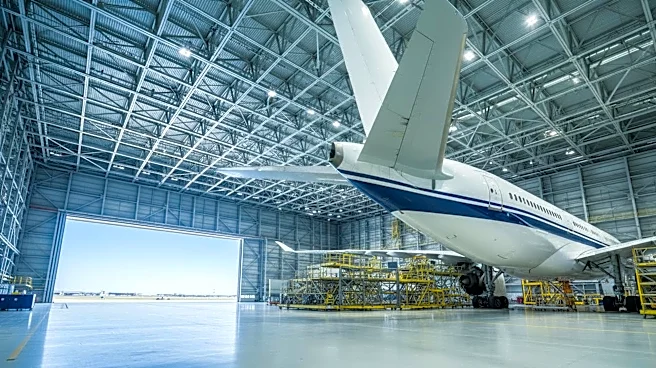
Ancona International Airport in Italy is exploring the development of new third-party maintenance capabilities to address the growing demand for widebody aircraft maintenance slots in Europe. Stewart Higginson, chairman of Ancona International Airport and operating
partner at Njord Partners, stated that the airport has received interest from Part 145 maintenance providers and spare parts companies. The airport, under Njord's control since 2019, is considering both short-term use of existing hangar space and long-term construction for significant base maintenance development. Ancona, which has a history as a military airport, is equipped to handle both narrowbody and widebody aircraft and serves as a cargo hub for operators like DHL and UPS. The expansion is still in the assessment phase, with potential funding from airport ownership, prospective MRO partners, and the European Union.
Why It's Important?
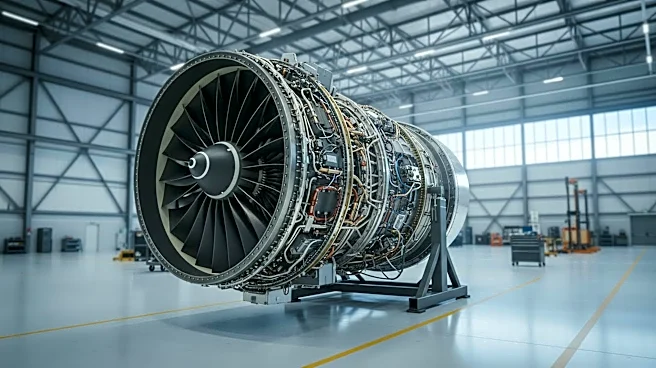
The expansion of maintenance, repair, and overhaul (MRO) capabilities at Ancona Airport is significant due to the current shortage of such services in Europe. Airlines and lessors face limited maintenance availability, particularly during the winter months, leading to scheduling challenges for maintenance events. The development at Ancona could alleviate some of these constraints, providing additional capacity for engine shop visits and base maintenance. This move could benefit airlines by offering more flexible maintenance options and potentially reducing the need to seek services outside Europe. The project also represents a strategic investment in the European aviation infrastructure, potentially attracting business from both domestic and international MRO providers.
What's Next?
If the plans for MRO expansion at Ancona Airport proceed, the next steps would involve securing funding and partnerships with third-party providers to develop operations on-site. The airport's management anticipates that any significant construction for base maintenance would require collaboration with MRO partners and possibly financial support from the European Union. As the project progresses, it could lead to increased employment opportunities and economic growth in the region. Additionally, the expansion could set a precedent for other airports in Europe to enhance their MRO capabilities, addressing the broader industry challenge of maintenance slot shortages.