
What's Happening?
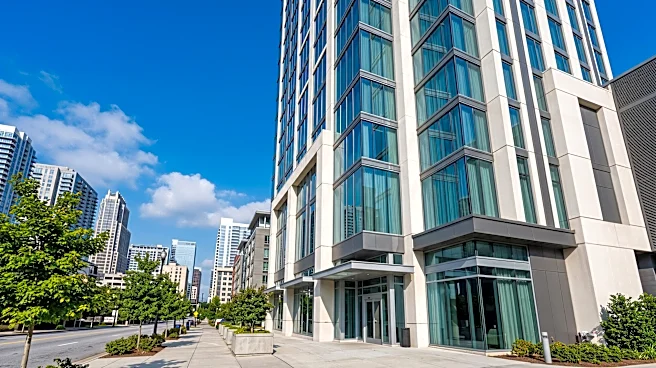
Dragon Con attendees who booked rooms at the Staybridge Suites in Atlanta nearly a year in advance found their reservations canceled without warning after the hotel was sold and closed for renovations.
IHG Hotels and Resorts, the former owner, sold the Midtown property to Marriott International in January. Despite assurances from IHG that the hotel's General Manager stated relocation assistance was unnecessary and existing reservations would be honored during the transition, guests like Aidan Clarke, Kelly Burdette, and Anna Ledwin received no emails or notifications about the change. They discovered the closure via a sign posted outside the hotel, effective July 31. Many other guests expressed similar frustrations online, reporting difficulties in getting answers from either IHG or Marriott regarding their bookings. The sign outside the hotel indicated that all reservations were relocated to Marriott’s sister property, Hotel Grenada, but some guests found no record of their bookings there.
Why It's Important?
This incident highlights significant issues in customer communication and corporate responsibility within the hospitality industry, particularly during property transitions. For event-goers, unexpected hotel closures can lead to substantial financial burdens, including higher rebooking costs and logistical challenges, especially for large-scale events like Dragon Con which attract thousands of attendees requiring specific accommodations. The lack of direct communication from both the selling and acquiring hotel chains left customers in a precarious position, undermining trust in booking platforms and hotel brands. This situation could prompt a reevaluation of consumer protection policies related to hotel reservations and property sales, potentially leading to stricter requirements for notifying guests and ensuring the fulfillment of pre-existing bookings, thereby impacting future business practices across the sector.
What's Next?
Affected Dragon Con attendees will likely continue to seek recourse for their disrupted plans and additional expenses. While some, like Clarke's group, rebooked at alternative hotels, incurring extra costs, others may pursue compensation or formal complaints against IHG and Marriott. This event could lead to increased scrutiny from consumer advocacy groups and potentially trigger investigations into the communication protocols of major hotel chains during property sales. In the future, event organizers might consider implementing more robust contingency plans for attendee accommodations, and guests may become more cautious about booking far in advance without explicit guarantees or insurance. The incident could also influence how hotel management companies handle transitions, potentially leading to clearer policies for guest notification and reservation transfers to maintain customer loyalty and avoid negative publicity.
Beyond the Headlines
The situation at the Staybridge Suites reveals a broader challenge in the digital age where consumers often rely on online booking systems and assume a level of transparency that isn't always present during corporate transactions. The disconnect between corporate assurances and on-the-ground customer experience underscores a potential vulnerability in the customer service model of large hotel groups. This incident could prompt a re-evaluation of the legal and ethical obligations of hotel chains to their customers when properties change ownership, especially concerning pre-paid or long-standing reservations. It also highlights the power of social media for customers to share their experiences and collectively pressure companies for accountability, potentially influencing industry standards for customer relations and crisis management during mergers and acquisitions.