







What's Happening?
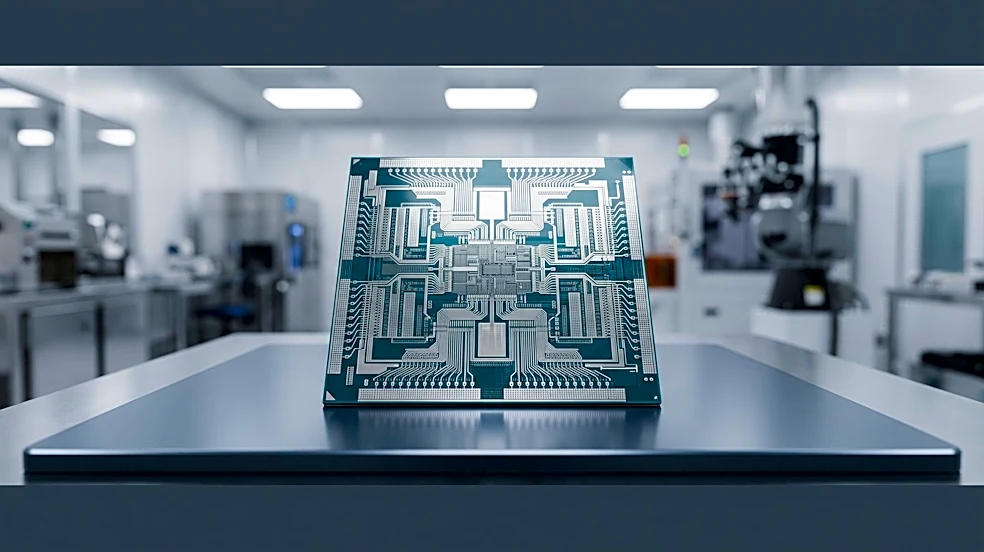
The global industrial semiconductors market is projected to grow from an estimated US$95.6 billion in 2025 to US$156.1 billion by 2032, exhibiting a compound annual growth rate of 7.3%. This growth is detailed in the 'Industrial Semiconductors - Global
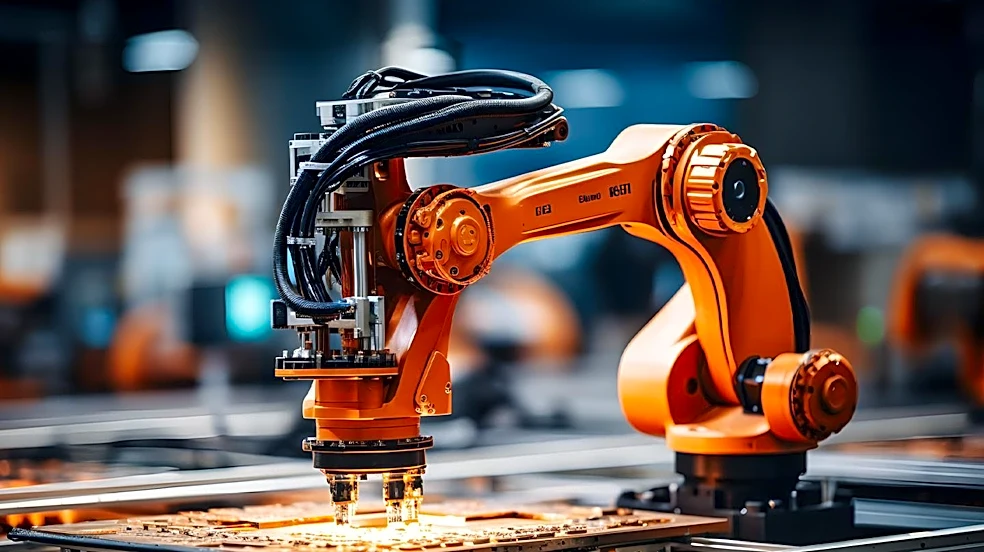
Strategic Business Report' by ResearchAndMarkets.com, as reported by GlobeNewswire. The market expansion is driven by increasing demand from automation platforms, manufacturing equipment, automotive systems, aerospace technologies, construction machinery, and connected infrastructure. Key factors include advancements in semiconductor manufacturing, the rise of industrial automation, the adoption of the Internet of Things (IoT) in smart factories, and energy-efficiency regulations promoting advanced power management technologies. Despite this growth, supply-chain resilience remains a critical industry priority due to component shortages and manufacturing constraints impacting downstream industries, particularly automotive manufacturing. Producers, governments, and industrial customers are actively pursuing capacity investments, supply diversification, and long-term sourcing strategies to enhance availability and mitigate future disruptions.
Why It's Important?
The projected growth of the industrial semiconductor market signifies a crucial trend for U.S. industries and the global economy. The increasing reliance on semiconductors across diverse sectors like automotive, aerospace, and manufacturing underscores their foundational role in modern technological advancement and economic productivity. For U.S. businesses, this growth presents opportunities for innovation and market expansion, particularly in areas like industrial automation and IoT. However, the persistent focus on supply-chain resilience highlights a significant vulnerability. Disruptions in semiconductor supply chains can lead to production halts, increased costs, and reduced competitiveness for U.S. manufacturers. The strategic investments in capacity and diversification by producers and governments are vital for ensuring stability and preventing future economic shocks. Companies that can secure reliable semiconductor supplies and adapt to evolving technological demands will be better positioned to thrive in this expanding market, while those unable to manage supply chain risks may face significant challenges.
What's Next?
In response to ongoing supply chain vulnerabilities, stakeholders are expected to continue prioritizing investments in domestic semiconductor manufacturing capabilities and diversifying sourcing channels. This includes further government incentives and private sector collaborations aimed at building more robust and geographically dispersed production networks. The emphasis on long-term sourcing strategies suggests a shift towards more stable, multi-year agreements between semiconductor producers and their industrial customers. Additionally, research and development efforts will likely intensify to create more efficient and resilient semiconductor technologies, potentially leading to new materials and manufacturing processes. The automotive industry, having been significantly impacted by past shortages, will likely continue to push for dedicated semiconductor production lines or guaranteed supply allocations. Furthermore, as the market expands into new applications like advanced IoT and smart manufacturing, there will be a continuous need for innovation in semiconductor design and functionality to meet evolving industrial requirements.
Beyond the Headlines
The drive for supply-chain resilience in the semiconductor industry extends beyond immediate economic concerns, touching upon national security and geopolitical stability. For the U.S., ensuring a robust domestic semiconductor supply chain reduces reliance on foreign production, mitigating risks associated with geopolitical tensions and trade disputes. This strategic imperative influences policy decisions, such as the CHIPS and Science Act, aimed at bolstering U.S. manufacturing capabilities. The push for diversification also highlights a broader trend towards de-globalization in critical technology sectors, as nations seek greater self-sufficiency. Ethically, the industry faces pressure to adopt more sustainable manufacturing practices, given the energy-intensive nature of semiconductor production and the environmental impact of raw material extraction. The long-term implications include a potential reshaping of global manufacturing hubs, with increased regionalization of production, and a heightened focus on circular economy principles within the tech sector to manage resource consumption and waste.