








What's Happening?
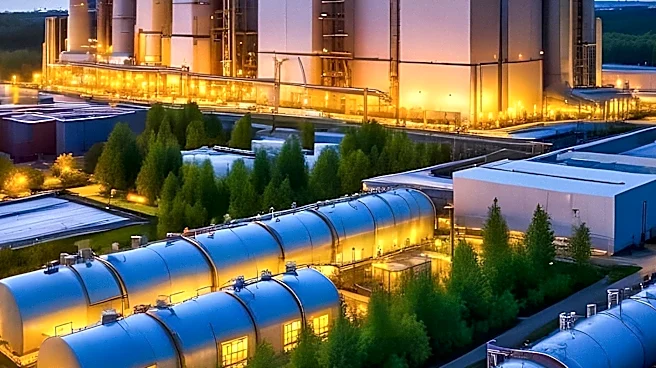
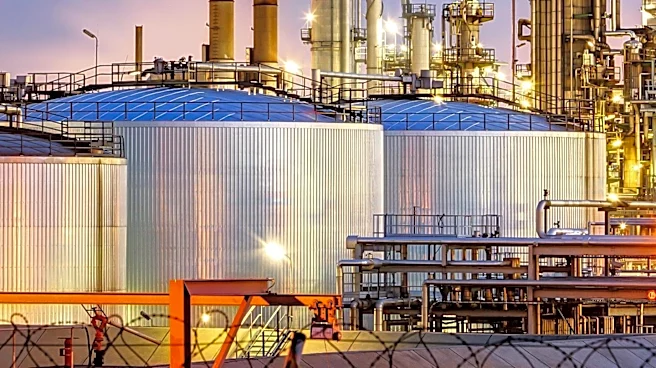
The cost of electricity generated from natural gas-fired plants in the United States has reached its highest level in at least 17 years, according to a report by Lazard Inc. The report highlights that the levelized cost of energy for combined cycle gas plants has increased
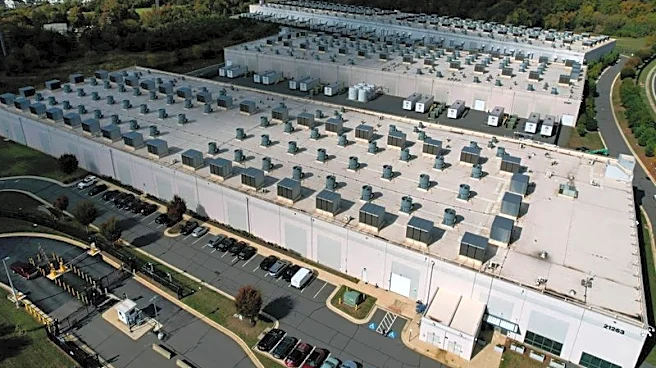
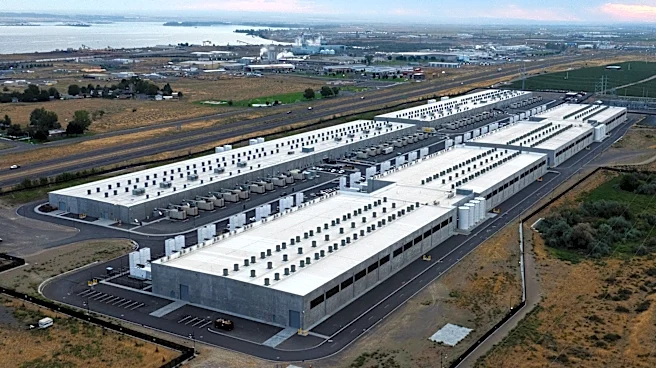
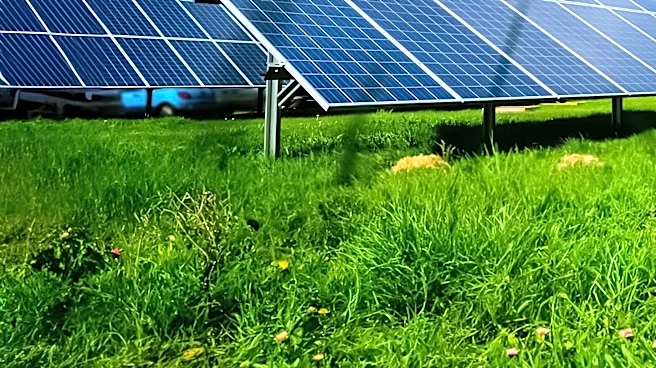
to $90 per megawatt-hour in 2026, up from $78 the previous year. This marks the highest cost since 2009, when it was $83. The rising costs are attributed to increased demand from new data centers, which are driving up electricity prices. Additionally, the costs for solar and onshore wind energy have also risen, reaching $69 and $68 per megawatt-hour, respectively, both experiencing more than a 10% increase from the previous year.
Why It's Important?
The increase in electricity costs is significant as it directly impacts utility bills for consumers across the United States. As these costs rise, they become a critical issue for voters, especially with the upcoming midterm elections. The higher energy prices could influence public opinion and policy decisions, as energy affordability becomes a key concern. The trend also highlights the growing demand for energy driven by technological advancements and the expansion of data centers, which require substantial power resources. This situation underscores the need for sustainable and cost-effective energy solutions to meet the increasing demand without burdening consumers.
What's Next?
As energy costs continue to rise, there may be increased pressure on policymakers to explore alternative energy sources and implement measures to stabilize or reduce electricity prices. This could lead to more investments in renewable energy technologies and infrastructure to diversify the energy mix and reduce reliance on natural gas. Additionally, the energy sector may see regulatory changes aimed at addressing the cost challenges and ensuring energy security. Stakeholders, including energy companies and government agencies, will likely engage in discussions to find viable solutions to manage the rising costs and meet the growing energy demands.