










What's Happening?
In 2026, grandparents are increasingly playing a vital role in the emotional development of children, as families become more dispersed and traditional support systems evolve. Kenneth Barish, Ph.D., a clinical professor of psychology, emphasizes the importance
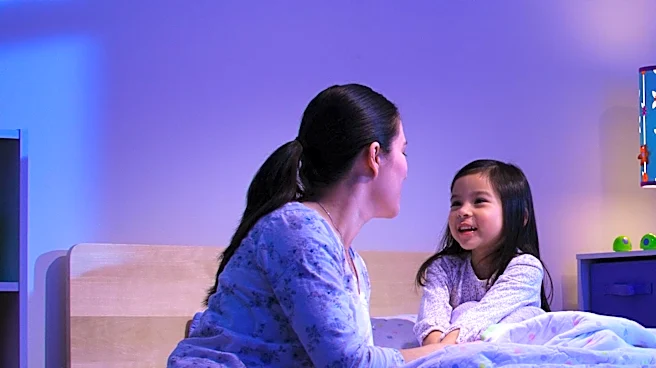
of grandparents in providing emotional support and fostering empathy in children. He suggests that grandparents should focus on listening and engaging in meaningful conversations rather than imposing discipline. This approach helps build trust and encourages children to express their feelings, reducing anxiety and loneliness. Barish also highlights the value of storytelling and play in strengthening intergenerational bonds.
Why It's Important?
The involvement of grandparents in children's lives is crucial in today's high-pressure society, where many young people experience loneliness and anxiety. By offering emotional support and modeling empathy, grandparents can help children develop resilience and a sense of purpose. This supportive role is essential as it complements the efforts of parents and fills gaps left by less cohesive community structures. The emphasis on listening and collaborative problem-solving can lead to healthier family dynamics and better emotional outcomes for children, ultimately contributing to their overall well-being and social development.
Beyond the Headlines
The shift in grandparents' roles reflects broader societal changes, including increased mobility and the fragmentation of traditional family units. As grandparents adapt to these changes, they have the opportunity to redefine their relationships with grandchildren, focusing on emotional connection rather than authority. This evolution in family dynamics highlights the importance of intergenerational support systems in fostering community resilience. Additionally, the emphasis on empathy and communication skills aligns with educational trends that prioritize social and emotional learning, preparing children for a more interconnected world.