







What's Happening?
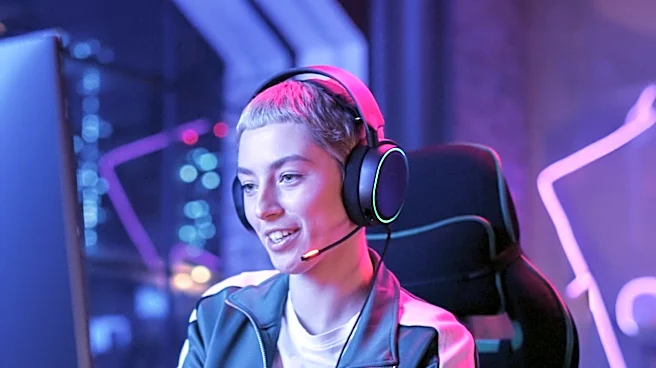
Fiona Mellor, co-CEO of Livewire, a global gaming media company, has highlighted a significant gap in marketers' understanding of the gaming audience. Speaking at Cannes, Mellor pointed out that many marketers still hold outdated stereotypes about gamers,
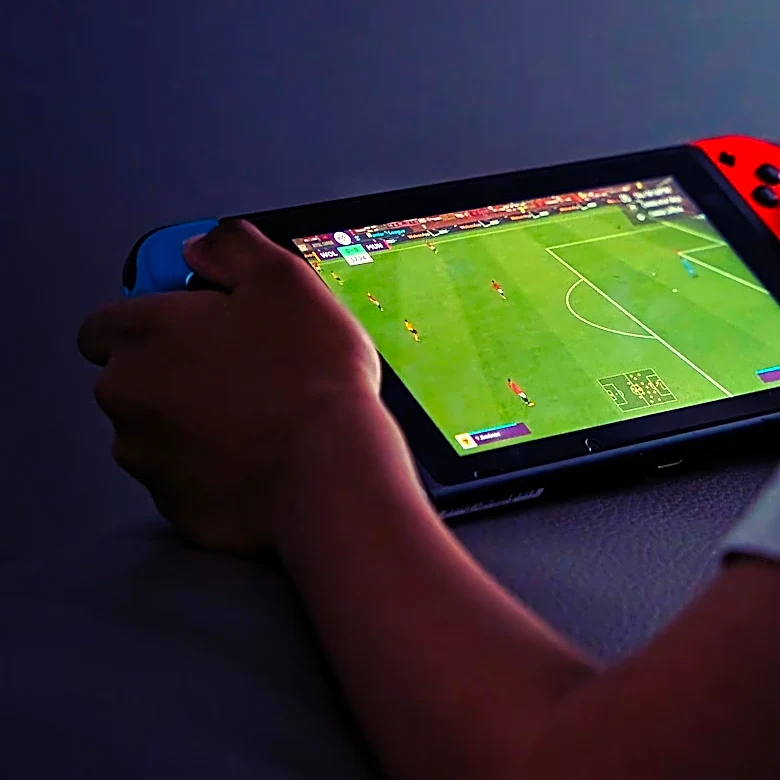
often picturing them as young males engrossed in esports or virtual worlds. However, the reality is that gaming has evolved into a major media channel with a diverse audience spanning all age groups and demographics. Mellor emphasized that gaming is not just a niche hobby but a mainstream activity, with a significant portion of the audience being women over 55. This shift in audience demographics is not reflected in current marketing strategies, which often overlook the broad and engaged gaming audience.
Why It's Important?
The misconceptions about the gaming audience have significant implications for marketing strategies and media investments. As gaming becomes a more personal and widespread activity, it offers unique opportunities for brands to engage with consumers in meaningful ways. However, the outdated perception of gamers as a niche group leads to underinvestment in gaming as a media channel. This disconnect means that brands are missing out on reaching a large and engaged audience. The shift in gaming demographics also suggests that brands need to rethink their approach to media planning and consider gaming as a key component of their marketing strategies. By failing to recognize the true nature of the gaming audience, marketers risk losing relevance in a rapidly evolving media landscape.
What's Next?
To bridge the gap between perception and reality, marketers need to update their understanding of the gaming audience and adjust their strategies accordingly. This involves recognizing the diversity within the gaming community and the various ways people engage with games. As more brands begin to realize the potential of gaming as a media channel, there may be an increase in advertising budgets allocated to gaming platforms. Additionally, marketers will need to develop campaigns that resonate with the gaming audience by enhancing their experiences rather than interrupting them. This shift could lead to more innovative and effective marketing strategies that leverage the unique engagement opportunities offered by gaming.
Beyond the Headlines
The evolving perception of gaming also has broader cultural implications. As gaming becomes a more accepted and mainstream activity, it challenges traditional notions of entertainment and media consumption. This shift reflects a broader cultural trend towards interactive and participatory media experiences. Moreover, the increasing recognition of gaming's role in stress relief and mental health suggests that it is becoming an important part of people's daily lives. This cultural shift may lead to changes in how society views gaming and its impact on well-being, potentially influencing public policy and societal attitudes towards gaming.