





What's Happening?
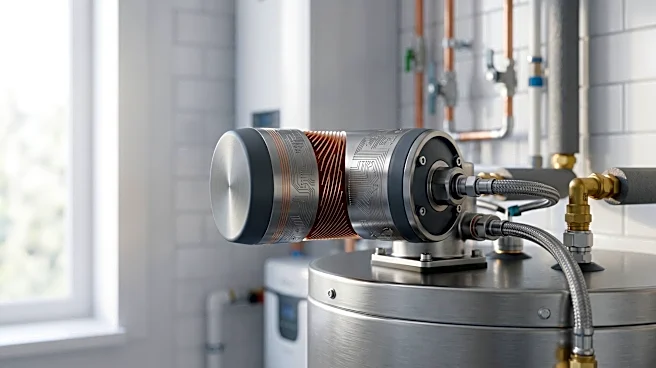
Heatbit, a technology company, has launched Bitwater, a new home appliance that integrates a Bitcoin mining computer into an electric water heater's heating element. This device is designed to replace a conventional heating element in existing electric tank
water heaters. The computer chips within Bitwater generate heat while mining cryptocurrency, transferring this heat to the water in the tank. This process cools the hardware and simultaneously heats the household water. According to Alex Busarov, Heatbit's founder, the company previously developed Bitcoin-mining space heaters and identified water heating as a year-round application for this technology. Bitwater reportedly operates at 400 to 600 watts and can generate up to 34 terahashes per second, potentially earning around $30 per month in cryptocurrency under current mining conditions. The device is designed to prioritize water heating, with mining ceasing once the target water temperature is reached, operating approximately 80% of the time depending on hot water demand.
Why It's Important?
The introduction of Bitwater represents an innovative approach to offsetting household utility costs by integrating cryptocurrency mining into essential home appliances. This device could appeal to homeowners seeking to generate passive income from their electricity consumption, particularly as energy costs fluctuate. While the concept offers a potential annual earning of approximately $360, the actual profitability is subject to Bitcoin price volatility, mining difficulty, and operational time. The upfront cost of around $900 means it would take about 2.5 years to recover the investment, not accounting for installation, maintenance, or mining fees. This technology also raises questions about the willingness of homeowners to engage in cryptocurrency mining, even on a small scale, and the long-term reliability of integrating complex computer components into a standard appliance. For homeowners primarily focused on energy efficiency, heat-pump water heaters remain a direct competitor, offering energy savings rather than income generation.
What's Next?
Bitwater is currently in its pre-order phase, with the first units slated for shipment in the first quarter. As the product rolls out, its real-world performance, durability, and actual earnings will be subject to independent verification. Homeowners considering this device will need to assess its long-term reliability, installation complexities, and the fluctuating nature of cryptocurrency markets. Heatbit has designed the device for DIY installation, but working with water heaters involves electrical and plumbing risks, suggesting professional installation may be advisable for many. The company also promotes safety features like leak protection and overheating safeguards, which will need to be proven effective in diverse household environments. The market will observe how Bitwater competes with established energy-efficient water heating solutions and whether the promise of cryptocurrency earnings outweighs the inherent uncertainties of a novel technology in a volatile market.
Beyond the Headlines
The emergence of devices like Bitwater signifies a broader trend of integrating decentralized finance and blockchain technology into everyday consumer products, blurring the lines between household utilities and digital asset generation. This development could spark further innovation in 'prosumer' technologies, where consumers not only consume but also produce value, whether in energy, data, or digital currency. Ethically, it raises questions about the environmental impact of increased home-based mining, even if the heat generated is repurposed. Legally, the regulatory landscape for home-based cryptocurrency mining and its tax implications for homeowners could evolve. Culturally, it challenges traditional notions of household appliances, transforming them from mere utility providers into potential income-generating assets, potentially shifting consumer expectations for future home technology. The long-term success of such innovations will depend on their ability to deliver consistent value, ensure safety, and navigate evolving technological and market landscapes.