





What's Happening?
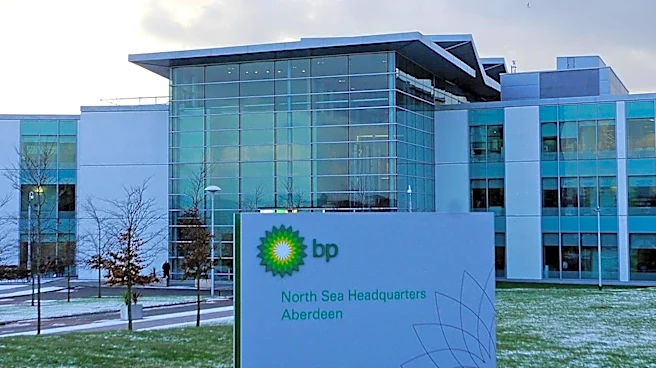
BP, a global energy company, is actively transforming into an integrated energy company with a strong focus on achieving net-zero goals. The company is offering a Graduate Program designed to immerse participants in the technological and strategic challenges
of the energy sector. This program aims to attract ambitious graduates from engineering and business backgrounds, providing them with diverse rotations and personalized mentorship. BP is seeking individuals who are curious and agile, ready to contribute to sustainable solutions and innovate within the global energy market. The program covers various areas including Engineering, Trading & Shipping, Science, Business, and Digital Programmes, reflecting BP's commitment to a forward-thinking approach to energy production and consumption. The company emphasizes creating a collaborative environment to empower its employees and drive innovation in the pursuit of a more sustainable future.
Why It's Important?
BP's strategic shift towards net-zero goals and sustainable energy solutions is significant for the broader energy industry and global climate efforts. As a major player in the oil and gas sector, its commitment to reducing carbon emissions and investing in renewable energy can influence other large corporations to follow suit. This transformation could accelerate the development and adoption of cleaner energy technologies, impacting energy policy and investment trends worldwide. For the U.S., this means potential shifts in energy imports, increased competition in renewable energy markets, and opportunities for technological collaboration. The focus on graduate programs also highlights a long-term investment in human capital, aiming to cultivate a workforce equipped to tackle future energy challenges and drive innovation in sustainable practices. This move could also influence consumer choices and investor confidence in companies prioritizing environmental responsibility.
What's Next?
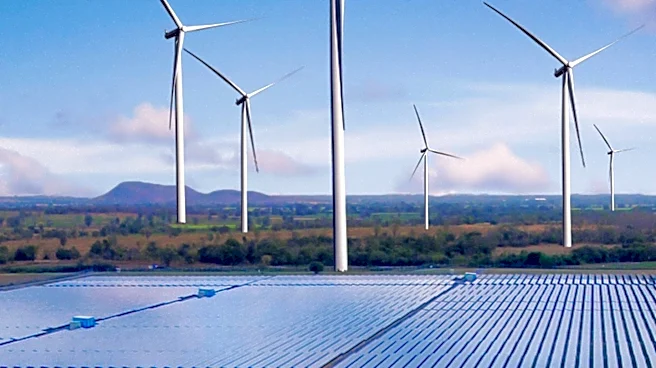
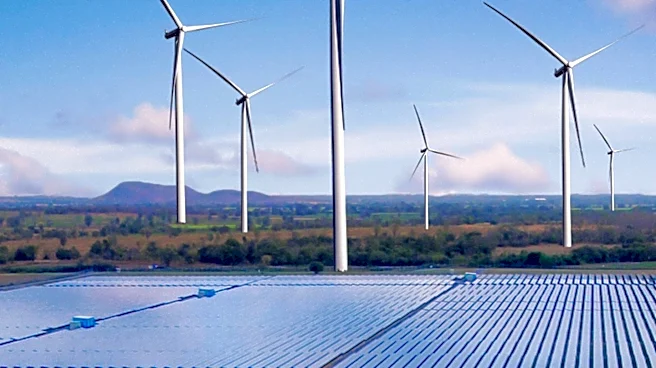
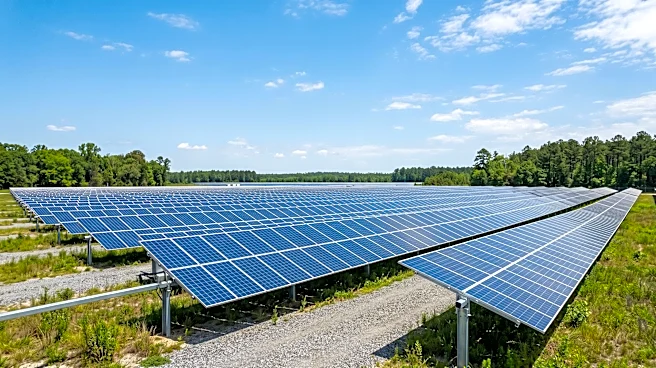
BP's continued transition towards an integrated energy company focused on net-zero goals will likely involve further investments in renewable energy projects, such as offshore wind and solar, and continued divestment from traditional fossil fuel assets. The success of its Graduate Program will be crucial in developing the talent needed to execute these strategic shifts. We can anticipate BP to announce more partnerships and collaborations in the sustainable energy space, potentially with technology firms or other energy innovators. The company's progress will be closely watched by environmental organizations, investors, and governments, influencing regulatory frameworks and corporate sustainability reporting standards. Future developments may include new energy infrastructure projects and further integration of digital technologies to optimize energy production and distribution, aligning with its net-zero ambitions.
Beyond the Headlines
BP's pivot towards net-zero and sustainable energy represents a broader paradigm shift within the global energy industry, moving away from a sole reliance on fossil fuels. This transformation carries significant ethical and economic implications. Ethically, it addresses growing public and governmental pressure to combat climate change and reduce environmental impact. Economically, it signifies a long-term bet on the viability and profitability of renewable energy sources, potentially reshaping global energy markets and supply chains. This shift could also lead to job re-skilling and creation in new energy sectors, while potentially impacting employment in traditional oil and gas industries. The company's commitment to innovation through its graduate programs suggests a recognition that technological advancement is key to achieving sustainability goals, fostering a culture of continuous improvement and adaptation within the energy sector. This strategic direction could set a precedent for how large multinational corporations navigate the complexities of climate change and energy transition.