





What's Happening?
The National Watermelon Promotion Board (NWPB) has announced the winners of its 18th Annual Retail Merchandising Contest. This competition recognizes retailers across the United States for their innovative and effective in-store and digital merchandising
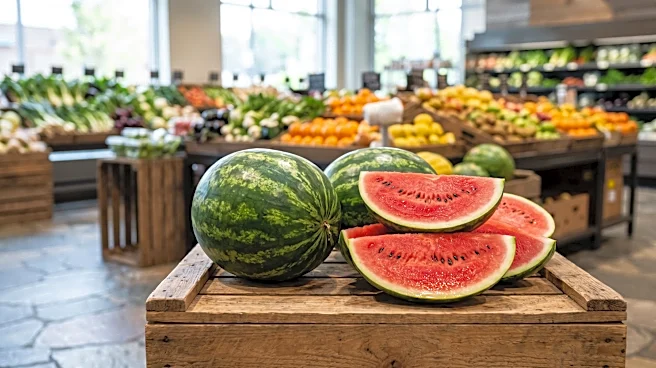
strategies for fresh watermelon. The contest, which ran from June 8 through August 31, 2026, highlighted creative displays, consumer education, recipe inspiration, sampling programs, and social media engagement. Common Market in Frederick, Maryland, secured the first-place prize for its comprehensive program that included mixed displays of whole and fresh-cut watermelon, digital outreach, and custom recipe cards. Barstow MCLB Commissary in California earned second place for its large-scale display and sampling, while Stop and Compare in Lynn, Massachusetts, took third for its dynamic program featuring watermelon sampling with Tajín. The NWPB emphasized the role of retailers in connecting consumers with nutritious foods and celebrating their creativity in promoting watermelon's health, happiness, value, and versatility.
Why It's Important?
This annual contest is significant for the U.S. agricultural and retail sectors as it drives innovation in how fresh produce, specifically watermelon, is marketed and sold to consumers. By encouraging creative merchandising, the NWPB aims to increase consumer demand for watermelon, which benefits growers, distributors, and retailers. The partnership with Tajín also demonstrates a strategy to introduce new flavor combinations and expand the culinary uses of watermelon, potentially attracting a broader consumer base. For retailers, winning or participating in such contests can enhance their brand reputation, drive foot traffic, and ultimately boost sales of fresh produce. The recognition of diverse retail formats, from independent markets to commissaries, highlights the widespread impact of these promotional efforts across various consumer demographics and geographic regions within the U.S. The contest also serves as a platform for sharing best practices in retail merchandising, contributing to overall industry growth and consumer engagement with healthy food options.
What's Next?
Following the announcement of the 2026 contest winners, the NWPB will likely continue its efforts to promote watermelon through similar initiatives in the coming years. The success stories and innovative strategies from this year's winners will serve as benchmarks and inspiration for other retailers. The NWPB's ongoing mission includes increasing consumer demand for watermelon through promotion, research, and education programs, funded by an industry assessment. Future contests may explore new partnerships or themes to keep merchandising fresh and engaging. Retailers will likely analyze the winning strategies to adapt and implement similar successful approaches in their own stores, aiming to capitalize on the proven methods for increasing watermelon sales and consumer interest. The board will also continue to monitor watermelon consumption trends, which approximated 15.4 pounds per capita in the U.S. in 2025, to inform future promotional strategies.
Beyond the Headlines
The NWPB's contest reflects a broader trend in the U.S. food industry towards experiential retail and consumer education. In an increasingly competitive market, simply stocking products is no longer sufficient; retailers must create engaging experiences that highlight product benefits and inspire new uses. The emphasis on health, happiness, value, and versatility for watermelon taps into consumer desires for nutritious, enjoyable, and adaptable food options. The collaboration with brands like Tajín also points to the growing popularity of flavor fusion and global culinary influences in American diets. This approach not only boosts sales of watermelon but also introduces consumers to complementary products, fostering cross-category purchases. Furthermore, the contest underscores the importance of community engagement and local marketing, as evidenced by the success of smaller, independent retailers alongside larger chains. This focus on creative, localized promotion can strengthen community ties and support local economies, while also contributing to national agricultural goals.