


What's Happening?
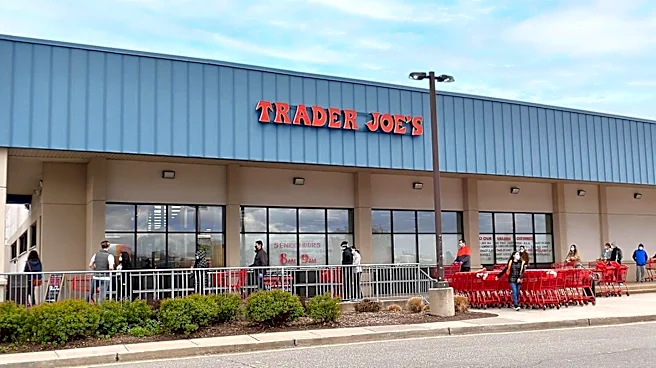
Trader Joe's is rolling out a comprehensive collection of pumpkin spice-themed products for the upcoming fall season, solidifying its reputation as a leader in seasonal offerings. The new lineup includes a variety of items ranging from baked goods and
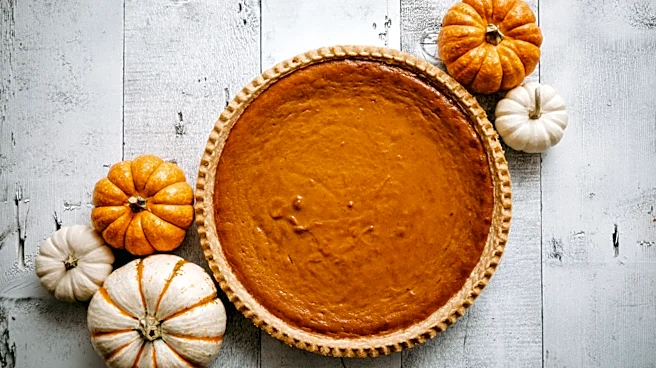
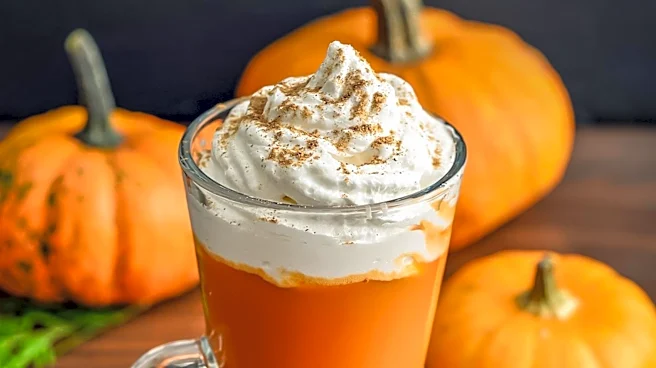
mixes to snacks and beverages. Among the returning favorites and new additions are the Pumpkin Spice Mini Sheet Cake, Petite Pumpkin Spice Cookies, Pumpkin Biscotti, and various Pumpkin Flavored Joe-Joe's. For those who prefer to bake at home, the store is offering Pumpkin Bread & Muffin Mix, a Gluten Free Pumpkin Bread & Muffin Baking Mix, and Pumpkin Pancake & Waffle Mix. Beverage options include a Pumpkin Spice Cream Cocktail and Organic Pumpkin Pie Spice Creamer. The selection also extends to breakfast items like Pumpkin Overnight Oats and Frozen Pumpkin Waffles, as well as unique treats such as Pumpkin Pie Spice Bark and Sliced Pumpkin Sourdough Bread. This extensive release aims to cater to a wide range of consumer preferences, ensuring that pumpkin spice enthusiasts have numerous options to celebrate the autumn season.
Why It's Important?
This extensive pumpkin spice rollout by Trader Joe's is significant for several reasons. Firstly, it underscores the enduring popularity and market demand for seasonal, flavor-specific products, particularly those associated with autumn. Trader Joe's strategic focus on these items allows it to capture a significant share of the seasonal grocery market, driving customer traffic and sales during the fall. The diverse range of products, from ready-to-eat items to baking mixes, caters to different consumer needs and lifestyles, enhancing customer loyalty. Furthermore, the inclusion of gluten-free options demonstrates an awareness of dietary restrictions, broadening the brand's appeal. This annual tradition also creates a sense of anticipation and excitement among consumers, reinforcing Trader Joe's brand identity as a purveyor of unique and beloved seasonal goods. The sheer volume and variety of offerings set a high bar for competitors in the specialty grocery sector, influencing broader market trends in seasonal product development.
What's Next?
Following the release of its fall pumpkin spice lineup, Trader Joe's will likely monitor sales performance and customer feedback to inform future seasonal product development. Consumers can expect these items to be available throughout the fall season, typically until Thanksgiving, after which the store will transition to winter holiday-themed products. The success of specific items may lead to their permanent inclusion in the store's year-round offerings or inspire new variations in subsequent years. Other grocery retailers will likely observe Trader Joe's strategy and product popularity, potentially influencing their own seasonal product launches and marketing campaigns. The ongoing demand for pumpkin spice products suggests that this trend will continue, with retailers constantly innovating to capture consumer interest. Shoppers can anticipate new reviews and discussions across food blogs and social media as consumers try and rate the various new items.
Beyond the Headlines
The annual pumpkin spice phenomenon, epitomized by Trader Joe's extensive offerings, reflects deeper cultural and economic trends. It highlights the power of seasonal marketing and the emotional connection consumers have with specific flavors and traditions. The 'pumpkin spice' flavor has evolved beyond a simple taste profile to become a cultural touchstone, symbolizing the arrival of autumn, comfort, and nostalgia. This trend also showcases the effectiveness of limited-time offerings in creating urgency and driving consumer behavior. From an economic perspective, it demonstrates how niche markets, when effectively cultivated, can generate substantial revenue and brand loyalty. The widespread adoption of pumpkin spice across various product categories, from food to household items, illustrates a broader consumer desire for sensory experiences that align with seasonal changes. This phenomenon also raises questions about consumer preferences for novelty versus tradition and how brands balance these desires in their product development strategies.