


What's Happening?
Luxury resorts across the Caribbean are increasingly focusing on personalized fitness and yoga retreats, integrating wellness into the core guest experience. Properties like Amanyara in Turks and Caicos and Eden Roc Cap Cana in the Dominican Republic
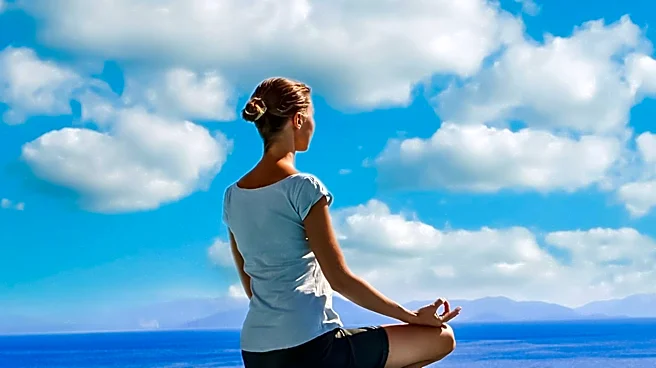
provide tailored programs. Amanyara offers private fitness and yoga sessions in open-air salas, alongside curated wellness programs such as the Detoxification Programme by Novak Djokovic, which includes sports massages, detox Pilates, sunrise yoga, and Water Shiatsu. Eden Roc Cap Cana features group bike tours, sunset yoga sessions, and fully equipped gyms with Peloton equipment. They also offer 'Lifestyle Plus' options, including healthy meals, a dedicated wellness concierge, in-room fitness kits, and custom aromatherapy. Other notable resorts include The BodyHoliday in St. Lucia, known for its extensive fitness programs and Zen Deck yoga, and Como Parrot Cay in Turks and Caicos, which houses the Shambhala Parrot Cay wellness center with oceanfront yoga and Pilates pavilions. GoldenEye in Jamaica provides complimentary sunset yoga and high-energy group fitness classes like Fitness with Nico, a blend of HIIT and strength training.
Why It's Important?
This trend signifies a growing demand for health-conscious travel experiences among affluent consumers. For the U.S. tourism and hospitality industry, particularly those catering to luxury travel, this shift presents both opportunities and challenges. Resorts that can adapt and offer comprehensive, personalized wellness programs are likely to attract a larger share of this market. The emphasis on holistic well-being, combining physical activity with mental and spiritual elements, reflects a broader societal trend towards integrated health. This could influence how U.S.-based luxury hotels and resorts design their amenities and services, potentially leading to increased investment in state-of-the-art fitness facilities, specialized trainers, and unique wellness offerings. Furthermore, the inclusion of celebrity-designed programs, like Novak Djokovic's, highlights the marketing potential of associating wellness retreats with high-profile figures, which could be replicated in U.S. markets to draw in health-conscious travelers.
What's Next?
The continued evolution of luxury wellness travel is expected, with resorts likely to further personalize offerings and incorporate advanced health technologies. We may see an increase in partnerships between luxury hospitality brands and wellness experts, nutritionists, and sports professionals to develop more exclusive and effective programs. The integration of digital health tools and wearable technology into retreat experiences could also become more prevalent, allowing guests to track their progress and maintain wellness routines post-retreat. As demand for 'sweat-jetting' grows, U.S. travel agencies and tour operators will likely expand their portfolios to include more specialized fitness and yoga retreats, both domestically and internationally. The competitive landscape will push resorts to innovate, offering unique experiences that differentiate them from others, such as incorporating local cultural practices into wellness routines or focusing on niche fitness activities.
Beyond the Headlines
The rise of luxury fitness and yoga retreats reflects a deeper cultural shift towards prioritizing health and well-being as integral components of leisure and self-care. This trend moves beyond superficial relaxation, emphasizing transformative experiences that aim to instill lasting healthy habits. It also highlights a growing consumer willingness to invest significantly in experiences that promise physical and mental rejuvenation. Ethically, this trend raises questions about accessibility, as these luxury retreats are often exclusive due to their high cost, potentially widening the gap in health and wellness opportunities. Environmentally, the increased travel associated with 'sweat-jetting' could contribute to carbon emissions, prompting a need for sustainable travel practices within the wellness tourism sector. Culturally, these retreats often blend global wellness practices with local traditions, fostering a cross-cultural exchange of health philosophies, which could influence broader wellness trends in the U.S.