


What's Happening?
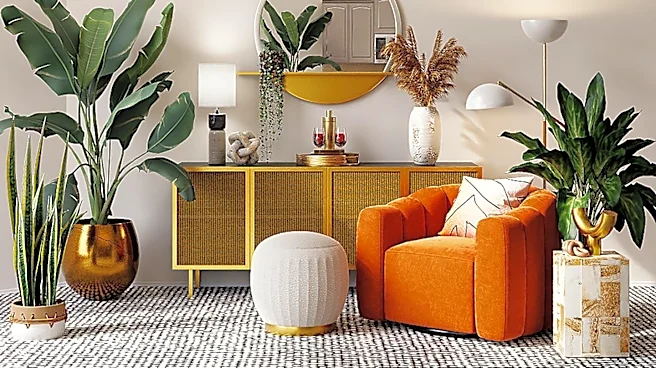
Maximalism, as a decorating style, is characterized by its celebration of color, pattern, and personality, according to insights from Voila Voile. This approach to interior design focuses on making a statement, often through the use of large botanical
prints, Chinoiserie-inspired motifs, geometric patterns, and luxurious fabrics. Unlike minimalist styles that aim for subtlety, maximalist curtains and decor are designed to be noticed and become integral parts of a room's overall aesthetic. The style encourages mixing bold designs with thoughtful color combinations, varied textures, and carefully chosen details to create a rich and expressive environment without appearing cluttered. Even deep emerald velvet or dark floral patterns can convey a maximalist feel, demonstrating that the style isn't exclusively about bright colors.
Why It's Important?
The resurgence and detailed description of maximalism in home decor reflect a broader trend in consumer preferences towards personalized and expressive living spaces. This shift impacts the U.S. interior design industry, manufacturers of home furnishings, and retailers, as demand for bold patterns, vibrant colors, and diverse textures increases. For consumers, it offers an alternative to more subdued design trends, allowing for greater self-expression within their homes. Businesses in textiles, furniture, and home accessories stand to gain by offering products that cater to this maximalist aesthetic, including custom curtains, patterned wallpapers, and unique decorative items. The emphasis on personality and individuality in design also suggests a cultural movement away from uniformity, encouraging creativity in personal environments.
What's Next?
As maximalism gains traction, interior designers and home decor brands are likely to further explore and innovate within this style. We can anticipate a wider availability of custom-made and uniquely patterned home furnishings, including curtains, wallpapers, and upholstery fabrics. Retailers may curate collections specifically designed to help consumers achieve a maximalist look, offering guidance on how to mix patterns and textures effectively. Educational content, such as design workshops and online tutorials, could also emerge to help individuals confidently incorporate maximalist elements into their homes. This trend may also influence adjacent industries, such as art and craft, as people seek unique pieces to complement their maximalist interiors.
Beyond the Headlines
Beyond its aesthetic appeal, the maximalist trend can be seen as a reflection of a desire for comfort, individuality, and a rejection of austerity in personal spaces. In an increasingly digital and often impersonal world, maximalism offers a tangible way for individuals to create a sanctuary that is uniquely their own, filled with objects and patterns that evoke personal meaning and joy. This could have psychological benefits, fostering a sense of well-being and belonging within one's home. Furthermore, the emphasis on layering and combining diverse elements might encourage a more sustainable approach to decor, where cherished items are integrated rather than constantly replaced, promoting a more eclectic and less disposable consumption pattern.