



What's Happening?
Meal preparation is presented as a versatile approach to maintaining healthy eating habits and weight, focusing on adaptability to individual lifestyles. The core idea is to reduce decision fatigue and make nutritious choices more accessible. Instead
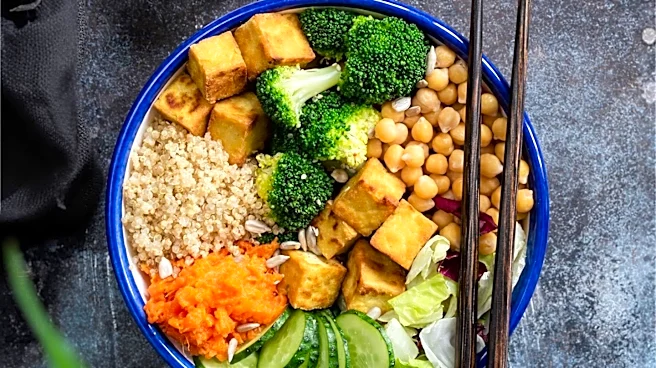
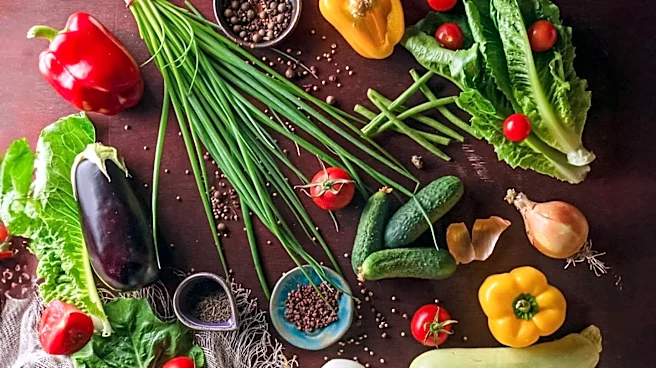
of rigid, week-long meal plans, the emphasis is on manageable routines, such as batch cooking a few meals or having healthy staples on hand. To prevent monotony, small recipe rotations and variations in ingredients like vegetables, herbs, spices, or sauces are recommended. For those new to meal prepping, starting with batch cooking and gradually building a freezer meal rotation is suggested. The approach acknowledges that life events like busy weeks, holidays, or social occasions require flexibility, and a realistic mindset helps maintain healthy habits without feeling overly restricted. Services like Fit Kitchen offer personalized, nutritious meal delivery options to further simplify the process for consumers.
Why It's Important?
The adoption of flexible meal prep strategies holds significant importance for public health and individual well-being in the U.S. By making healthy eating more convenient and less prone to decision fatigue, these methods can contribute to better dietary adherence and weight management, potentially reducing the prevalence of diet-related health issues. For busy professionals and families, meal prep offers a practical solution to time constraints, allowing them to avoid less healthy convenience foods. The emphasis on sustainability and flexibility means that more individuals are likely to integrate these habits long-term, fostering a healthier population. Furthermore, the rise of meal delivery services like Fit Kitchen indicates a growing market for convenient, health-conscious food options, reflecting evolving consumer demands and creating new business opportunities within the food industry.
What's Next?
The trend towards flexible and personalized meal prep is likely to continue evolving, with an increased focus on convenience and customization. Consumers can expect to see more meal prep services offering diverse menus, catering to specific dietary needs and preferences, and expanding their delivery footprints. There will likely be a greater integration of technology, such as apps that help plan meals, track nutrition, and manage grocery lists, further streamlining the process. Educational resources promoting sustainable meal prep habits, including tips for ingredient rotation and freezer meal strategies, will become more prevalent. As awareness grows, more individuals may adopt these practices, leading to a broader shift in how Americans approach daily nutrition, potentially influencing grocery shopping patterns and demand for certain food products.
Beyond the Headlines
Beyond the immediate benefits of convenience and health, the shift towards flexible meal prep reflects a deeper cultural change in how individuals manage their time and prioritize well-being. It highlights a growing desire for autonomy and control over dietary choices in an increasingly fast-paced world. The emphasis on sustainability in meal prep, through batch cooking and reducing food waste, also aligns with broader environmental consciousness. Ethically, the rise of meal prep services raises questions about accessibility and affordability, ensuring that healthy eating solutions are available to all socioeconomic groups. This movement could also foster a renewed appreciation for home cooking and mindful eating, counteracting the pervasive influence of fast food culture and encouraging a more deliberate relationship with food.